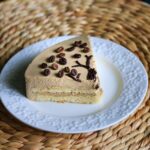

I’ve tested dozens of egg substitutes in boxed cake mixes, and the results surprised me. For fluffy, angel food-style height, I whip three tablespoons of aquafaba until stiff peaks form. This creates lift like magic from a chickpea can. When craving dense, fudgy brownies, I mix one tablespoon ground flaxseed with three tablespoons water, let it sit ten minutes, and achieve perfect gooey texture. Silken tofu blends into a smooth quarter-cup per egg for pound-cake richness, while soy protein powder adds structure for allergy-friendly bakes. My lazy-day secret is twelve ounces of plain seltzer water swapped straight in; carbonation lifts the crumb beautifully. Skip the applesauce though. Too many cakes bake into sad, gummy bricks with this substitute. Each substitute shines for specific cravings, and I’ll walk you through exactly when to grab which one.
Best Egg Substitutes for Cake Mix: Tested Rankings
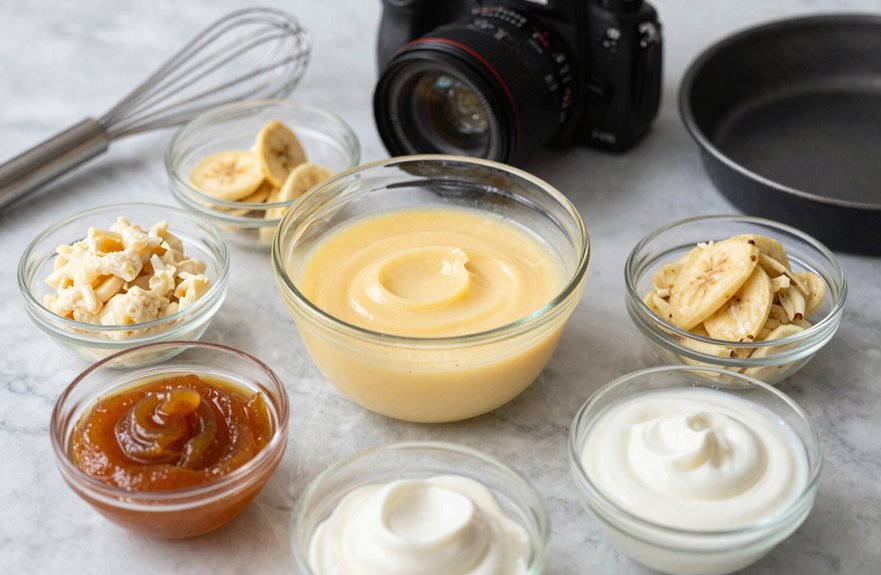
Why do some egg swaps turn out fluffy while others fall flat. I tested nine Duncan Hines boxes, adjusting for altitude with extra flour, and found significant differences between replacers. Aquafaba showed real promise, especially paired with flax for binding, though it needed additional ingredients to perform optimally. Ener-G egg replacer gave me a solid baseline for binding, but I noticed it sometimes weighed down my texture. Flax and chia seeds earned top marks too, while yogurt surprised me most as a single swap for that dense, pound-cake texture I prefer. Gelatin, vinegar mixtures, and tofu failed to produce acceptable results. Results vary depending on which box you use and how you adjust the recipe.

WHIPS LIKE EGG WHITES: Pour straight from the carton and whip to stiff, glossy peaks in 3 to 5 minutes. Real liquid aquafaba for meringue, pavlova, macarons and mousse, no eggs required.

✔ Original Formula for Strong Peaks & Consistency. Fast whipping and good hold. Engineered for kitchens, bakeries, bars, large scale uses, and food manufacturing.

WHIPS LIKE EGG WHITES: Pour straight from the carton and whip to stiff, glossy peaks in 3 to 5 minutes. Real liquid aquafaba for meringue, pavlova, macarons and mousse, no eggs required.
Aquafaba Egg Substitute: Foaming Lift and Binding Power
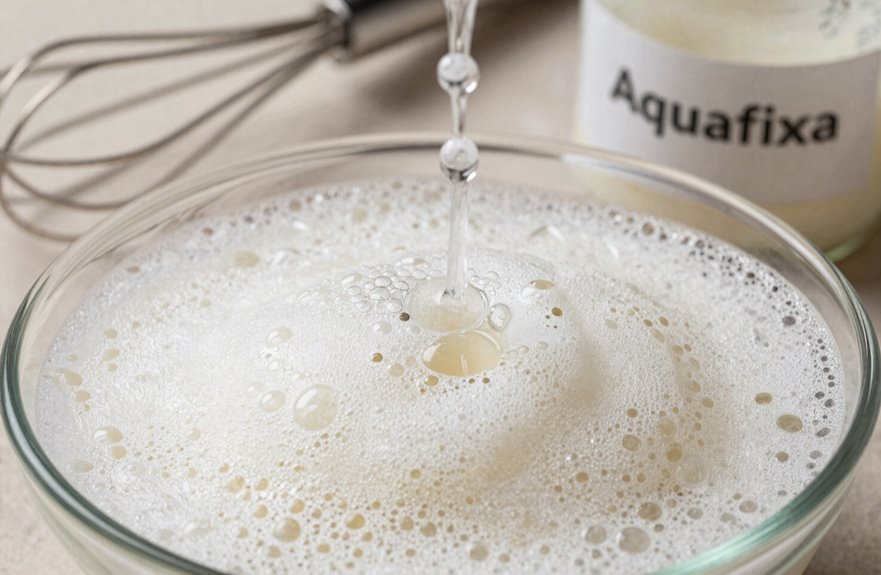
How exactly do you turn bean juice into cake magic? Aquafaba, the liquid from canned chickpeas, works like a dream in boxed mixes.
Three tablespoons equal one egg. The binding power holds your batter together beautifully, while its natural foaming ability adds leavening that lifts your cake. You can whip it into soft peaks for angel food-inspired heights, or use it straight for quick, moist results.
Sometimes aquafaba needs additional support. Pairing it with other binders provides extra structure in dense cakes. It won’t always rise quite like eggs alone, but aquafaba delivers egg-like performance for vegan baking.

ORGANIC INGREDIENTS: USDA Organic, Non-GMO Project Verified, Certified Gluten-Free, and made with organic cold milled ground flaxseed with no preservatives

Freshly Milled Flaxseed: Organic flax seeds gently sliced rather than pulverized to preserve flavor and nutrients; a plant-based source of omega-3, fiber, and lignans.

Brought to you by Whole Foods Market. Our standards are what set us apart, and our quality is what keeps us stocking pantries, fridges and freezers with the best natural and organic 365 Everyday Value products every day.
Flax and Chia Egg Substitutes: Ground Seed Binders (1:3 Ratio)
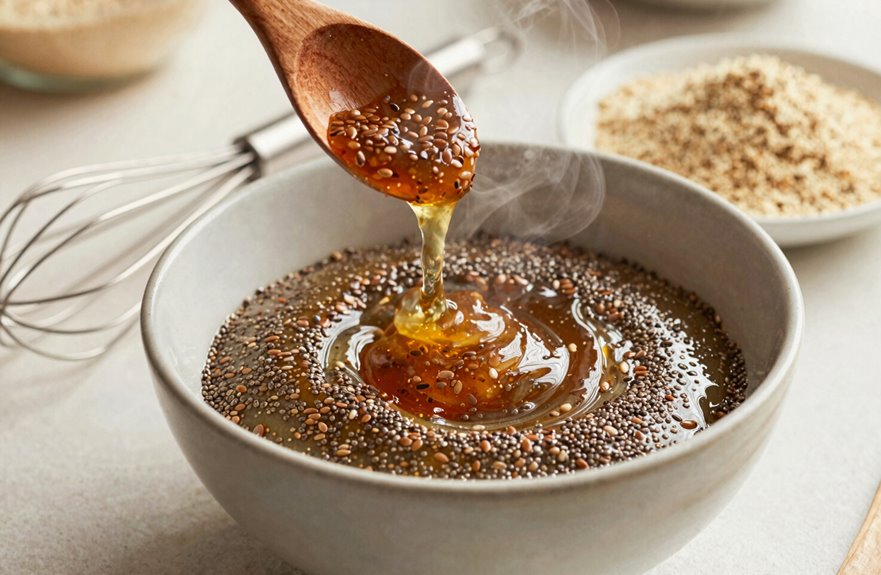
What do you do when you’re craving brownies but the egg carton stares back empty? I reach for ground flaxseed or chia seeds, my trusty, no-fuss egg substitute.
Mix 1 tablespoon ground seeds with 3 tablespoons water (that 1:3 water ratio is key), then let it sit for 10 minutes. You’ll watch it transform into a thick, gooey flaxseed binder that mimics egg texture beautifully. Grind your seeds fresh; whole seeds won’t work. The earthy taste barely registers in chocolatey bakes.
For lighter cakes, blend this with aquafaba, but for dense, fudgy brownies and banana bread, this binder works alone. You’re not compromising; you’re adapting to what you have on hand.

USDA Certified Organic Ground Chia Seeds

Ground chia seeds, a nutritional powerhouse used by ancient Aztecs and Mayans

NUTRIENT-RICH SUPERFOOD – Badia Ground Chia Seed is packed with essential nutrients, including fiber, omega-3 fatty acids, and plant-based protein, making it a great addition to a healthy diet
Soy Protein Powder: Underrated Structure for Allergy Baking
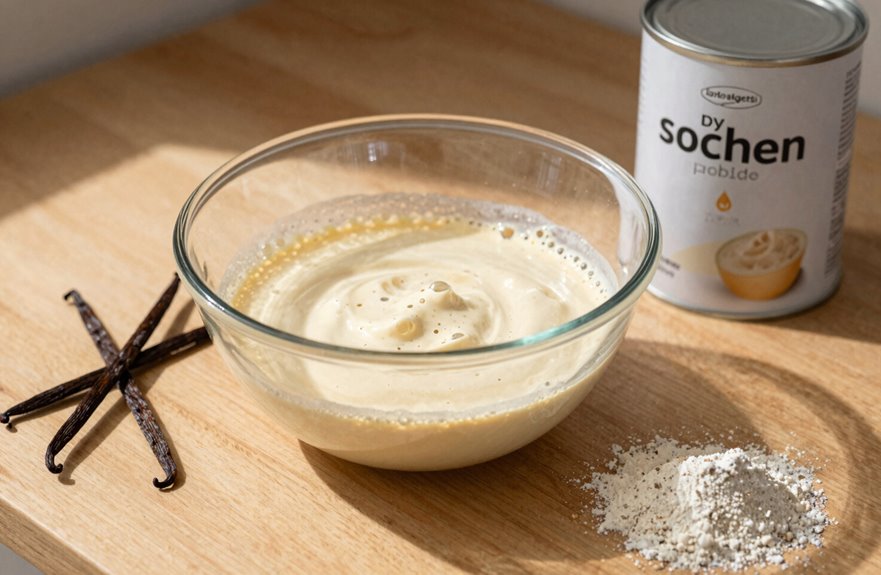
I’ve moved past the seed binders and am now reaching for something unexpected: soy protein powder. It sounds like gym food, but it’s become one of my secret weapons for allergy baking when I need real structure.
Unlike other egg substitutes, soy protein powder actually helps build that firm crumb and golden crust we all miss in egg-free cakes. It teams up beautifully with gluten-free mixes too, which can get crumbly and sad without help. I typically use one tablespoon mixed with water per egg I’m replacing.
You’ll want to tweak your liquid slightly, maybe adding an extra splash of milk, since it absorbs moisture differently than seeds do. Your first try may not be perfect, and that’s part of the process of figuring out which substitutions work best for your baking.

Product Type:Grocery

A complete source of clean protein. Great alternative to eggs and dairy.

Mori-nu Silken Tofu is a good source of protein and a perfect alternative to meat or dairy products
Silken Tofu Egg Substitute: 1/4 Cup Per Egg for Dense Crumb
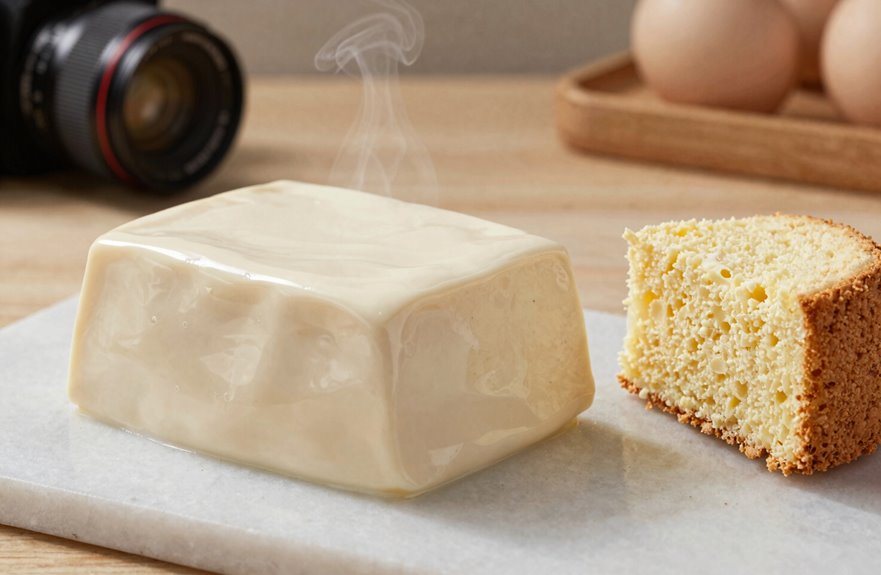
Silken tofu is my go-to when I’m craving that rich, dense crumb you get in bakery-style pound cakes. I swap 1/4 cup of blended, creamy silken tofu per egg, and it works effectively in pumpkin pie tarts, carrot kale muffins, and quick breads.
I toss the tofu into my blender first, smoothing it out completely with no lumps allowed, before folding it into my batter. This egg substitute brings serious moisture and binding power while remaining neutral in flavor, letting your cake shine.
Measure carefully because too much throws off your texture. You might catch a whisper of tofu, but it’s minimal. We all bake differently, and different approaches work for different bakers.

One 33.8-fluid-ounce bottle of Seltzer Water

One 67.6-fluid-ounce bottle of Seltzer Water

Sparkling Water Pack: Includes 8 (12 fl oz) cans of bubly Sparkling Water Seltzer Water: Lime Flavor
Seltzer Water: 12 Oz Replaces Eggs and Liquid Add-Ins
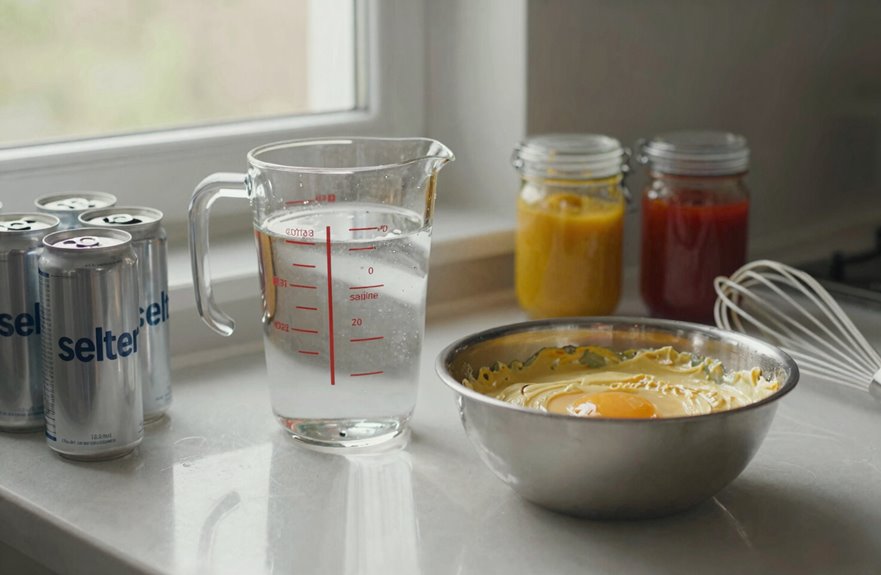
I grabbed a 12-ounce can of seltzer, cracked it open, and watched it fizz. I poured it straight into the dry mix, skipping every other liquid the box called for. The batter bubbled right away, which felt promising, and I slid it into a 350°F oven hoping the carbonation would do the job for rise. What came out surprised me: a decent, airy crumb, though the crust stayed softer than I’d like. The result was comparable to cakes made with actual eggs.

Whipping Instructions: Whips completely in 3-5 minutes with an electric mixer when using the correct ratio; add your preferred ingredients like sugar, fruit juice or food coloring during whipping

WHIPS LIKE EGG WHITES: Pour straight from the carton and whip to stiff, glossy peaks in 3 to 5 minutes. Real liquid aquafaba for meringue, pavlova, macarons and mousse, no eggs required.

✔ Premium Plant-Based Egg Replacer – Trusted by 1,000+ Chefs & Bartenders. Saheli delivers pro-level results for home and commercial use. Whips, foams and binds like eggs, without cholesterol or allergens.
Seltzer Water Method
Because I’m always looking for shortcuts that actually work, the seltzer water method caught my attention right away. One can of twelve ounces replaces the eggs, the oil, and whatever liquid the box asks for. It’s a straightforward kitchen hack that simplifies the baking process.
Here’s how I do it: grab your favorite cake mix, crack open that seltzer water, and pour the whole twelve ounces right in. The carbonation brings its own leavening power, which means you don’t need to worry about density quite as much. During the Great Cake Experiment, testers compared it against aquafaba and flax. The bubbles do real work, but you’ll want to watch your baking time, especially at high altitude since the gas expands faster there.
Rise and Texture
Swapping out eggs and liquid for a can of seltzer feels almost too simple, but that twelve ounces of fizz works harder than you’d expect. I’ve watched this method transform boxed mixes into something surprisingly airy. The carbonation creates natural leavening, those tiny bubbles lifting the batter when heat hits. Your crust formation turns delicate, almost shattery in the best way, like a gentle shell giving way to soft crumb inside.
- That first slice, when you see the height you achieved without eggs, marks a tangible improvement over standard boxed mixes.
- The way seltzer water carries familiar flavors means nobody will detect your substitution.
- This method produces consistent results even when other leavening techniques fail.
Eggs still deliver superior texture in many applications, but seltzer provides a reliable backup method worth knowing.
Egg Substitutes to Skip: What Collapsed in Testing
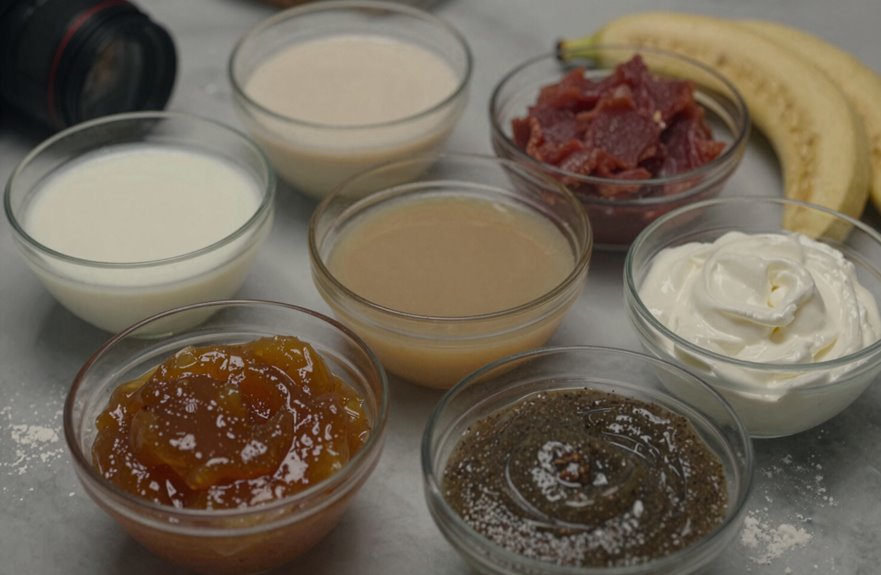
Some experiments teach you more by failing spectacularly than by succeeding quietly. My tests with baking soda as an egg substitute definitely fell into that first category. Tests 4 and 5 rose dramatically, then collapsed completely, resulting in total leavening failure. These cakes were not edible, not visually appealing, and not worth your time.
Other egg replacers have shown consistent disappointment. Gelatin turned rubbery, vinegar and baking soda created odd textures, and tofu left everything dense. Even corn starch, applesauce, bananas, and commercial options produced only mediocre pound cakes that never matched actual eggs.
The critical insight: foam-based cakes like genoise and chiffon require aquafaba or similar foaming substitutes. Most replacers cannot support that structure. There is no universal egg substitute. Your cake type determines which replacement will work.

Certified Organic & Non-GMO: Enjoy premium quality ground flax seed that is USDA Certified Organic and no additives

GROUND FLAXSEED ORGANIC — Our finely ground flaxseed is sourced from the golden fields of the great Canadian prairies. Using a proprietary cold-milling method, our flax seeds are ground at cool temperatures, preserving omega-3s and 6s

✔️ GROUND FLAXSEED ORGANIC — Our finely ground flaxseed is sourced from the golden fields of the great Canadian prairies. Using a proprietary cold-milling method, our flax seeds are ground at cool temperatures, preserving omega-3s and 6s