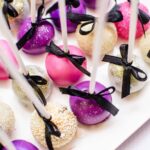
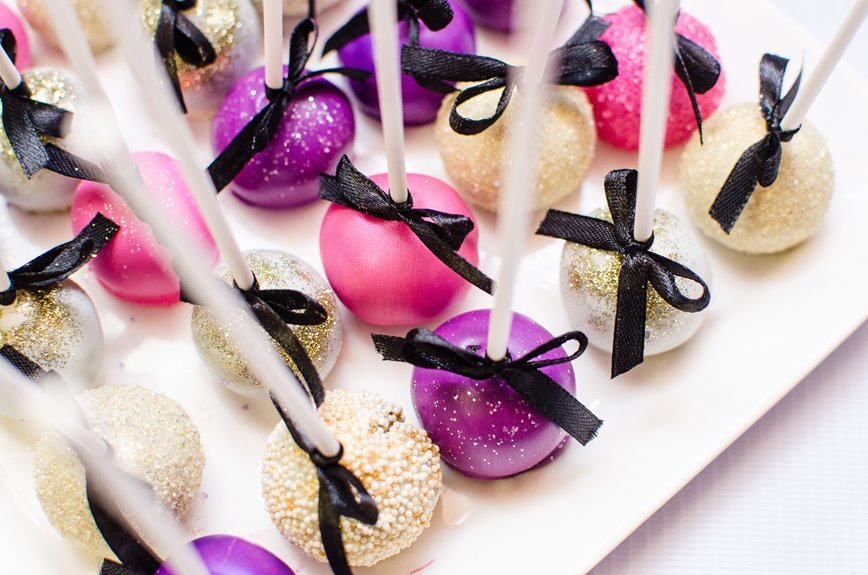
I’ve priced cake pops for every occasion under the sun, from backyard birthdays to black-tie weddings. In 2026, you’re looking at $2.50 to $8+ per pop depending on complexity, with most sellers landing around $4 as their sweet spot. Simple designs run $2.50–$3.50, custom work hits $3.50–$5, and weddings or premium designs push $5–$8+ (I’ve quoted $7 each for fancy wedding orders).
Per dozen, expect roughly $30–$42, though wedding dozens often reach $48–$72. Whether you’re buying or selling, multiple factors affect what you’ll actually pay or charge.
Quick Answer: Cake Pop Prices in 2026
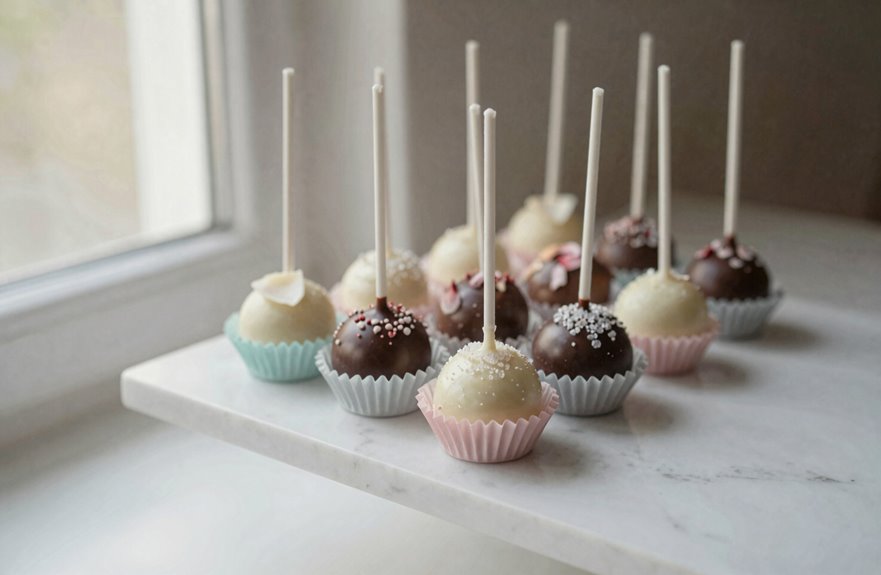
So, how much are you actually going to spend on cake pops this year? For simple designs, cake pops pricing ranges between $2.50 and $3.50 each, though fancy designs with intricate details and premium flavors cost $5–$8 or more.
Use this pricing framework: start with your base costs (ingredients, labor, overhead), then multiply by complexity (usually 1.2 to 1.8), and add a buffer for occasional cracked shells or lopsided pops, about 10–15%. Wedding cake pops typically start around $4 each, or $48–$72 per dozen, since couples expect higher quality.
Per dozen, expect to charge roughly $24–$42 depending on design complexity. A 30% profit margin is standard, adjusted for your local market conditions.

VALUE PACKAGE: you will receive 302pcs cake pop maker kit. Includes 1pcs cake pop scoop, 1pcs decorating pen with Four-headed,100pcs lollipop bags, 100pcs papery treat sticks and 100pcs metallic twist ties. Our cake pop accessories is also very friendly for beginners. Cake pop can be made without a oven.

4 Cakepops in One Go: Put dough into the cake pop mold, then press the mold gently to cut it out. You’ll get 4 evenly sized, perfectly shaped cake pops at once—making baking easier, faster, and more pro!

How Underpricing Cake Pops Kills Your Business
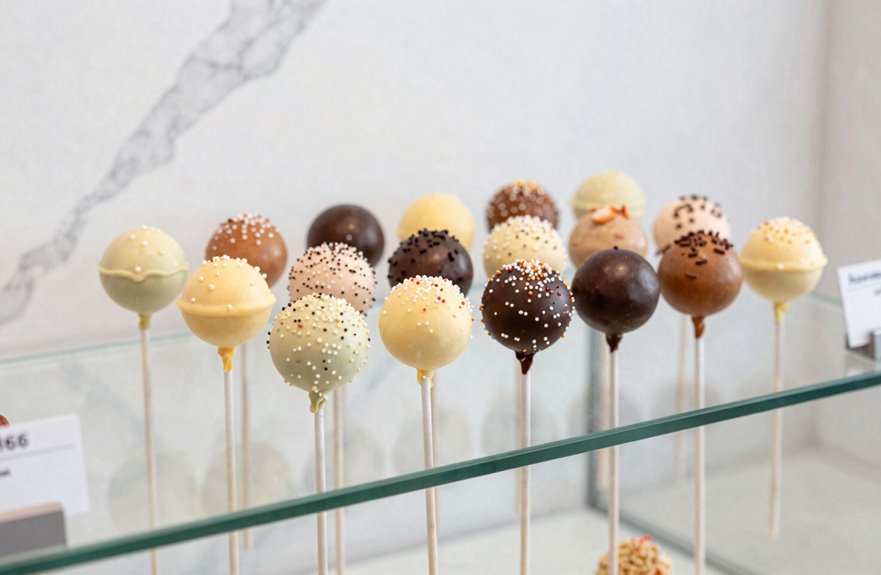
I learned this lesson the hard way when I charged $2 per pop for a 48-piece order, only to discover after tallying ingredients, labor, and the 12% that cracked or fell off sticks that each one actually cost me $4.80 to make. That single mistake cost me $134, which stung, but it taught me to track every step: baking, cooling, crumbling, rolling, dipping, decorating, drying, and yes, the inevitable do-overs. Now I won’t touch an order under $2.50 per pop, and I start weddings at $4, because your time isn’t free, and neither is your sanity.

Perfect Size Sticks: Wilton 4-Inch White Treat Sticks are ideal for cake pops and lollipop treats for any celebration

SAFE AND ELEGANT CAKE POP STAND---Our cake pop holder are made of food grade premium acrylic. The smooth edges and rounded corners cutting design make you safer when using it. The transparent material makes it fit well into your party display.

★REUSABLE : Cake pop mold use silicone material. With super toughness, the lollipop mold with 20 cavity are reusable and hard to deform.
The True Cost
Why does selling cake pops for two bucks feel like winning until you’re staring at an empty bank account? I learned this the hard way. My cost breakdown revealed the truth: ingredients ran $0.80, labor hit $3.50, and overhead kept climbing. Add a 15% failure rate for pops that cracked or fell off sticks, and I was losing $2.80 per pop. Cake pops pricing actually demands:
- Ingredients, labor, overhead, and packaging, all of it, not just the pretty parts
- Built-in margin for failures that happen to everyone
- Time tracked honestly; 7–10 hours for 48 pops
- Minimums that protect you, like $2.50–$3 per pop or $70+ per order
The true cost isn’t what you spend. It’s what you forget to count.
Pricing Pitfalls Exposed
That $2.80 loss on every pop? I learned this the hard way. I once priced a 48-pop order at $2 each, not realizing my true costs hit $4.80. That $134 loss stung.
What I missed: ingredients, labor, overhead, plus that 10-15% failure rate from crumbling pops and cracked coating. My pricing ignored setup time entirely. I now refuse orders under two dozen; four to six dozen generates real profitability.
Simple pricing like flat $3 pops destroys margins fast. I forgot complexity multipliers, packaging, and those painstaking hand-painted details. Every hidden cost eroded my business.
Don’t repeat my mistakes. Account for everything, or you’ll join the bakeries that vanished. Smart pricing protects your business viability.
The Real Cost to Make One Cake Pop
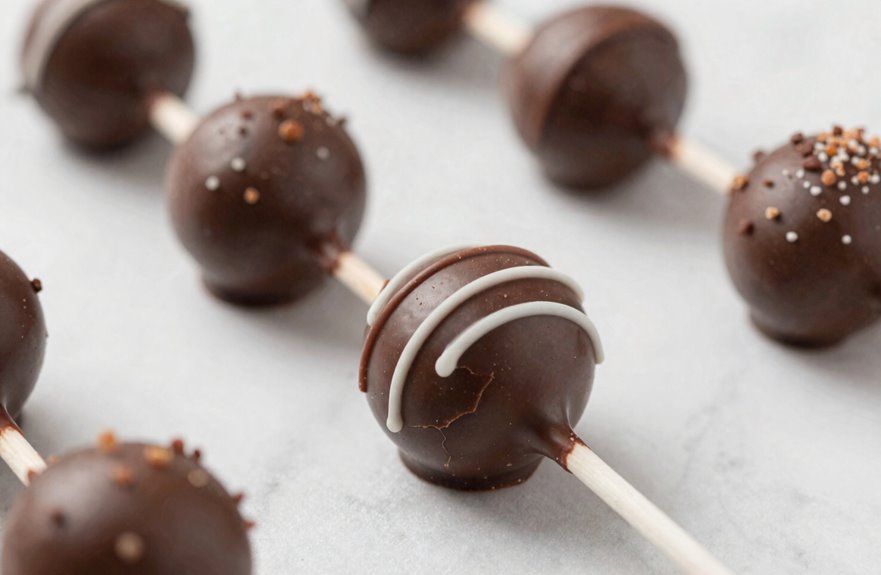
Cracking open my notebook, let’s talk about what it actually costs me to make one cake pop. The real expense far exceeds the $0.80 in flour, sugar, and candy melts sitting on my counter.
The real expense far exceeds the $0.80 in flour, sugar, and candy melts sitting on my counter.
Here’s my real cake pops cost breakdown:
- Ingredients – About $0.80 per pop, which feels tiny until you multiply it
- Labor – Roughly $3.50 each, since a 4-dozen order eats 7 to 10 hours of my time
- My failure rate – I’m making 55 to 60 pops to deliver 48 good ones, thanks to cracks and lopsided disasters
- Overhead – Electricity, tools, that drying rack I didn’t plan on buying
That failure rate stings. I used to beat myself up about it, but now I understand it’s simply part of the process every baker faces.

Effortless Candy Melting: The Wilton Candy Melting Pot melts cheese and chocolate into the perfect consistency for dipping and decorating strawberries, pretzels, cake pops, and more

Keep Your Chocolate Always Smooth: Tired of clumpy chocolate? LUSHYUM Chocolate Melting Pot makes it easy to keep your chocolate silky-smooth! With two heat settings, you can melt your chocolate quickly and keep it warm and perfect for dipping. To prevent overheating, simply stir continuously while melting and watch closely.

[EFFORTLESS CREATIONS]: Craft decadent treats like chocolate-dipped pretzels, cake pops, and fresh strawberries with this versatile Party Desserts Melting Pot. Featuring a precision-pour spout and ergonomic, heat-resistant grip, it enables seamless drizzling directly onto goodies or into pastry bags for professional-grade decorating.
How to Calculate Your Cake Pop Price
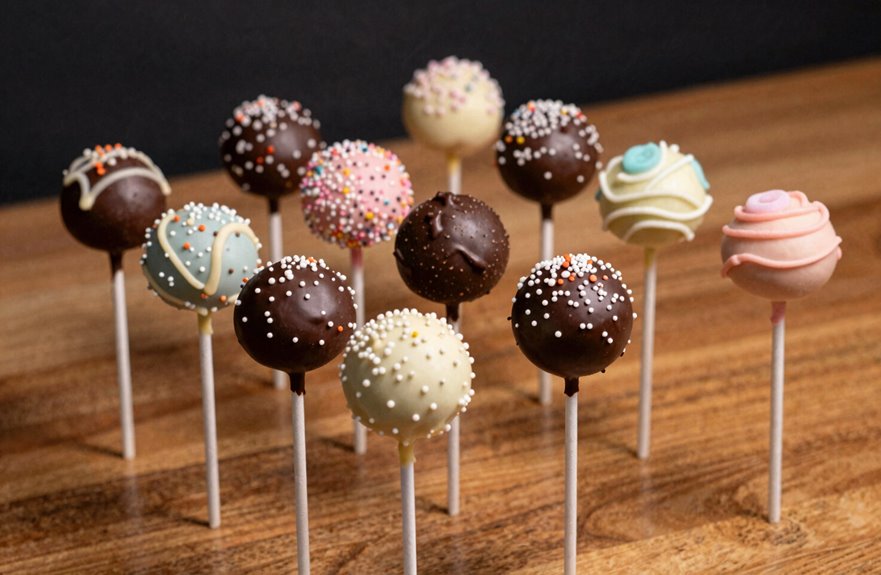
Figuring out my cake pop price used to feel like throwing darts blindfolded. I’d pick a number, cross my fingers, and hope I wasn’t shortchanging myself (spoiler: I usually was). Now I use a simple formula that keeps my business healthy and my customers satisfied.
I start with my base costs: ingredients, labor, and overhead. Then I multiply by complexity (1.2 for simple shapes, up to 1.8 for intricate designs like hand-painted florals or mini wedding cake replicas). I add my profit margin, plus 10-15% for failures (because cracked coating happens to everyone).
I’ve learned to never accept fewer than two dozen per order, since one batch takes me 7-10 hours from baking to finishing. For a standard 4-dozen batch, that’s real time I’m protecting. My simple cake pops stay around $3, while custom work hits $5-8. Wedding cake orders require premium pricing starting at $4 per pop or $30 per dozen, reflecting the skill, time, and attention required for each piece.

[𝟲-𝗖𝗼𝗹𝗼𝗿 𝗥𝗮𝗶𝗻𝗯𝗼𝘄 𝗦𝗽𝗿𝗶𝗻𝗸𝗹𝗲𝘀 𝗩𝗮𝗿𝗶𝗲𝘁𝘆 𝗣𝗮𝗰𝗸] Includes 6 individual 30g resealable bags featuring red heart sprinkles, green flower sprinkles, orange star sprinkles, yellow star sprinkles, blue confetti sprinkles, and pink confetti sprinkles. A complete 180g sprinkle collection for creative dessert decorating.

Halloween Sprinkles 5-Compartment Set : Centered around orange, paired with the classic Halloween color scheme of white, purple, green and black. It contains 5 forms including nonpareils, jimmies, sanding sugar, eyeball sprinkles and confetties. The classic Halloween color matching and various forms are perfectly integrated, meeting the needs of Halloween dessert decoration in one stop, making dessert decoration a one - step process

FESTIVE SPRINKLES FOR EVERY CELEBRATION: Brighten your desserts with the Cake Mate Fusion Sprinkles Rainbow Collection — a vibrant assortment of colorful sprinkles perfect for Christmas cookies, holiday cupcakes, birthday cakes, and festive dessert tables. Each compartment features a unique blend of shapes and colors, giving you endless decorating options for every occasion.
Compare Cake Pop Tiers: Simple, Custom, and Wedding Prices
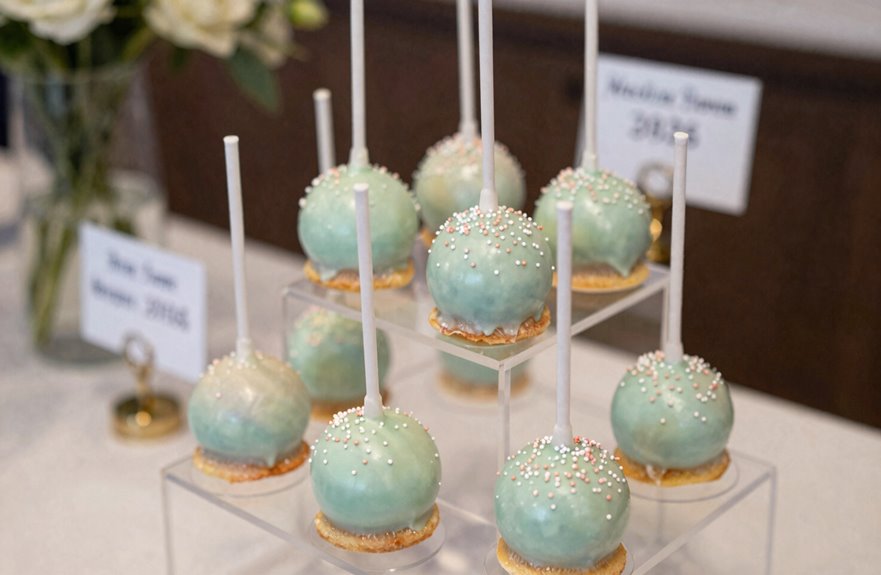
Why do I charge three bucks for one cake pop and eight for another? It comes down to tiers, and I’m breaking it down so you know exactly what you’re paying for.
Here’s how I sort my pricing:
- Simple pops — $2.50 to $3.50 each, your classic dip-and-done treats, no frills but still yummy
- Custom designs — $3.50 to $5 each, where I hand-paint characters or match your party colors
- Wedding premiums — $5 to $8+ each, because those gold-leaf details and ribbon-tied boxes take serious time
- My secret math — I multiply base cost by 1.2 to 1.8 for complexity, then add 10% for the pops that crack, since they always do.
You’re not just buying dessert; you’re paying for precision work and materials that withstand production losses.

Package Included: This set includes 12 cake pop boxes, each with 33 holes in the bottom, accommodating either 16 round lollipop sticks or 17 popsicle sticks. They can hold not only lollipop cakes but also popsicle cakes. The ample quantity ensures both daily use and future use.

QUALITY MADE - The Pendant/Necklace box is made of high-quality rubber baking varnish process, smooth, textured, wear-resistant, dirt-resistant, waterproof. Velvet inside, really very soft to protect your jewelry, hard pendant necklace box will not break during on the way

Everything You Need in One Box- Skip the hassle of buying accessories separately. This complete cakesicle and cake pop kit includes molds, cutter, tray, acrylic display stand, sticks, bags and twist ties so you can start creating beautiful treats right away.
Wedding and Custom Cake Pop Pricing Guide
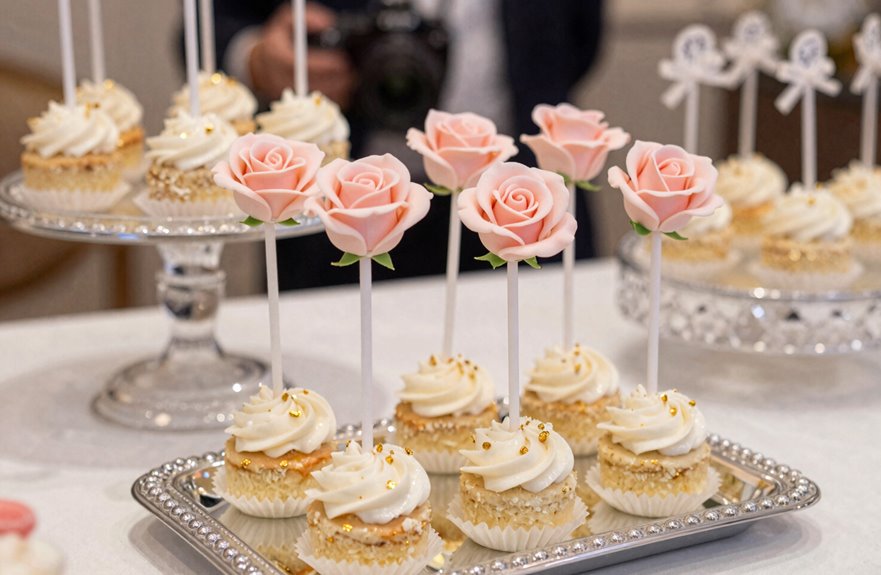
Wedding cake pops carry their own special rules. Many bakers learn this through experience when underestimating their first bridal orders. You’ll typically face a two-dozen minimum (usually $70–$100) to cover the setup and baking time. This accounts for the 10–15% failure rate bakers build into their pricing. For premium wedding designs with intricate florals or monogram details, expect the base cost to multiply by 1.2 to 1.8, pushing final quotes anywhere from $240 to over $500 for four dozen pops.
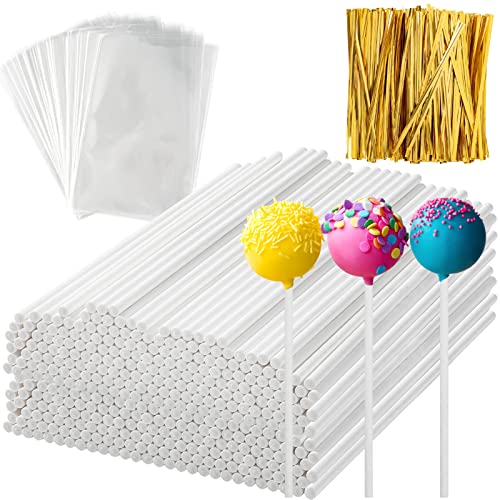
HUGE QUANTITY: 600Pcs cakepop sticks set including 200pcs cake pop sticks, 200pcs twist ties, 200pcs transparent bags, enough quantity to meet your DIY needs.

【Versatile Silicone Jar Spatula】 - Flexible design perfect for mixing, scraping, and spreading in jars, bowls, and containers, ideal for baking, cake icing, cream, butter, and batter to minimize waste.

Kid-Sized, Real Baking Tools: Includes everything needed to make cake pops like a pro! Comes with cake pop molds, cake pop stand, cake pop sticks, a silicone bowl, child-friendly whisk, and a pastry hat, making baking safe, fun, and educational. Kids will feel like real bakers with these perfectly sized tools.
Wedding Order Minimums
So, how much are we really talking about when I say “wedding cake pops,” and where do I even draw the line on tiny orders?
Most bakers, myself included, won’t fire up the kitchen for just a handful. Here’s what you’re joining when you plan your wedding order:
- The minimum threshold: expect at least 2 dozen pops, typically $70–$100 to start
- Per-pop math: simple rounds run ~$3.50, while wedding-worthy designs hit $4–$6 each
- Batch sizing: 6 dozen (72 pops) often lands around $504, built for 60% margin
- The reality check: factor in 10–15% breakage, plus complexity multipliers (1.2–1.8x) for anything fancy
Minimums exist because your celebration requires proper kitchen preparation and focused attention. An intimate guest list doesn’t change what’s needed to execute your order correctly.
Custom Design Pricing
What exactly pushes a simple cake pop into that $5–$8 territory? It’s the custom work. When you’re planning your wedding, you want something that feels like you, not just another round ball on a stick.
Custom shapes, such as tiny succulents, your initials, or matching your lace pattern, add 30–50% more time. My formula starts with base costs, then I multiply by complexity (1.2 to 1.8), plus I build in 10–15% for failures because delicate details break. For four dozen wedding pops, I’m looking at about $150 in costs, pricing around $240 for that 60% margin.
The high-end finishes, premium ingredients, and specialized packaging justify the price point. You’re not just buying dessert; you’re investing in a product that matches your vision perfectly.
Premium Tier Rates
Those custom details we just talked about push us straight into premium territory, where prices climb from $5 to $8 or more per unit. Wedding orders especially hit this tier with a $4 minimum, but $5–$8+ is where most land once you factor in fancy packaging and intricate designs.
Here’s how to break down pricing for these products:
- Start with base costs (ingredients, labor, overhead), then multiply by complexity (1.2–1.8x)
- Add your profit margin, because rushed small batches deserve fair pay
- For 72 wedding pops, a quote of around $504 total works out to roughly $7 each
- Balance what the market expects with what your artistry demands
Setting accurate prices reflects the actual value of your work.
Minimum Order Rules for Cake Pop Sellers
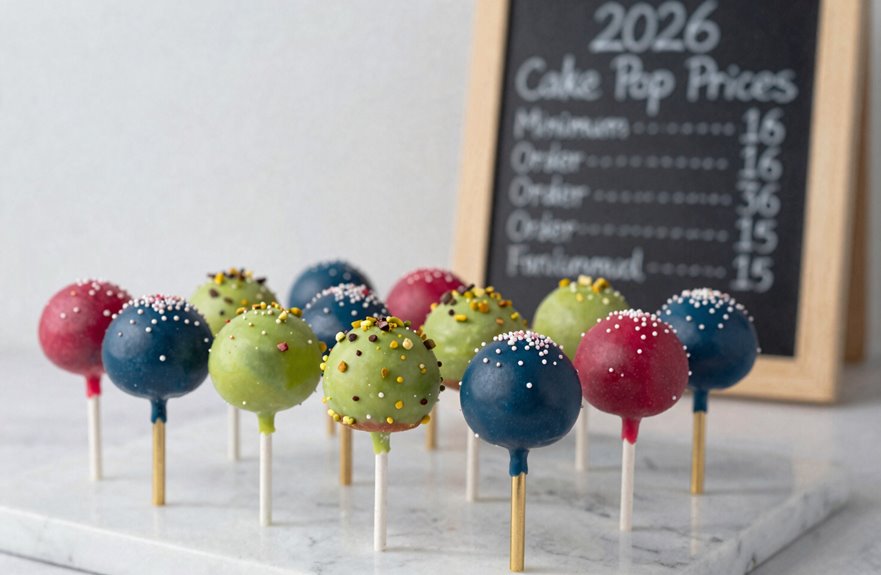
Why do I insist on a two-dozen minimum for every cake pop order? Because my setup time, melting chocolate, prepping sticks, and mixing colors, stays the same whether I’m making 12 or 48 pops. I’ve learned the hard way that small orders drain my energy without paying the bills.
I price my minimum orders between $70 and $100, which keeps me profitable even on small requests. I also bake in a 10–15% failure rate. Some pops crack, some tumble off sticks, so I’m never caught off guard.
| Pop Type | Price Each | Why It Costs More |
|---|---|---|
| Round basic | $3.50 | Simple, no frills |
| Custom shapes | $5–$6+ | Time, detail, love |
| Wedding/event | $4+ minimum | Fancy packaging, flawless finish |
Minimum orders protect the business model that keeps quality consistent and production sustainable.
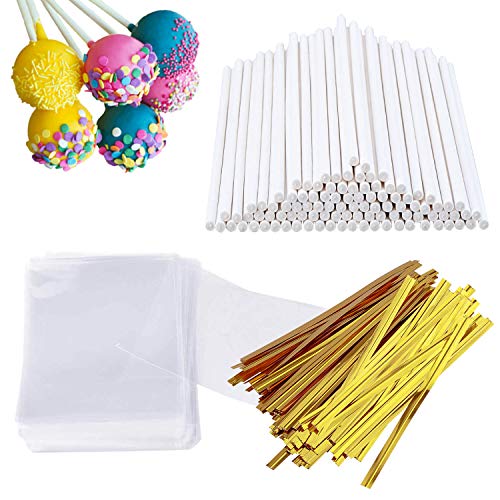
Food-Grade & Sturdy Paper: These paper cookies sticks are made of premium food-grade paper, tasteless. Sturdy sticks won't rub off, fall apart, shred or disintegrate easily, easy-melting candy melts
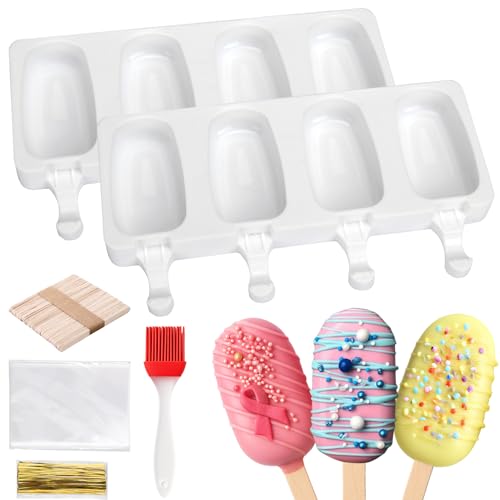
Certified Safe & Durable: This cake pop mold kit is crafted with 100% food-grade silicone, BPA-free. Withstands extreme temperatures from -40°C to 230°C (-104°F to 446°F), safely used in ovens, microwaves, freezers, and dishwashers. Perfect for kid-friendly treats without toxic worries!

[ Package Included ] Lollipop Cake Pop Set including a cookie meatball, 100pcs 6 inch Paper Sticks (Diameter : 0.158 inch(4mm) ), 100 pcs Treat Bags 4'' x 6'' and 100 pcs Twist Ties, Great and Easy for Making Lollipop and Cake Pop,suitable for making lollipops, cake pops, candies, chocolates and cookies
What Buyers Pay: Cake Pop Market Rates for Sellers to Know
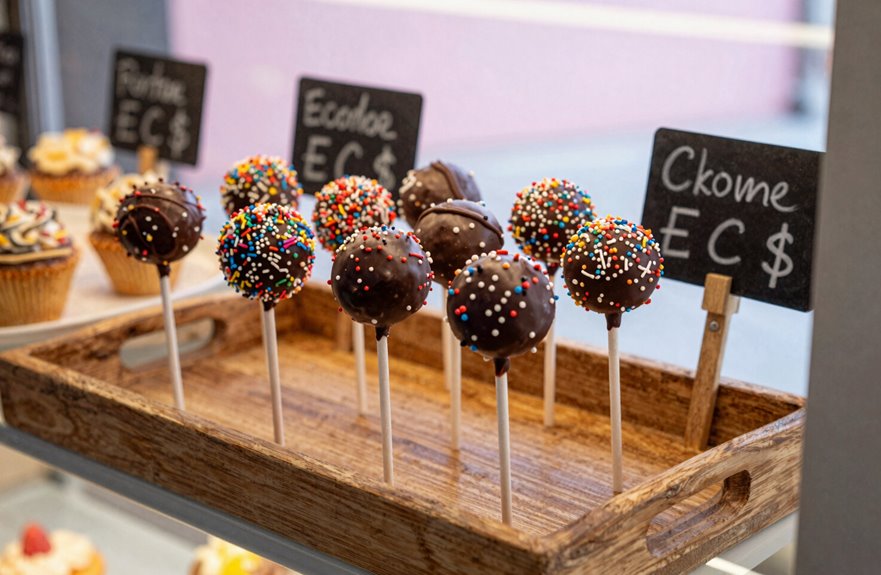
I set my minimums to protect my time. I also watch what other sellers charge because my prices don’t exist in a vacuum. We’re all figuring out what buyers actually pay.
Here’s what I’m seeing out there:
- Simple pops run $2.50–$3.50 each—basic, no frills
- Standard designs with a couple colors hit $3.50–$5
- Premium work? That’s $5–$8+, easy
- Per-dozen pricing usually lands $30–$35, though fancy stuff pushes $40+
Sellers charge anywhere from $3 each or $30 per dozen to $35 per dozen. It really depends on your town, your skills, and what customers value. The sweet spot seems around $4 per pop. Weddings start higher. You’ve got to cover your costs without selling yourself short.

Keep Your Chocolate Always Smooth: Tired of clumpy chocolate? LUSHYUM Chocolate Melting Pot makes it easy to keep your chocolate silky-smooth! With two heat settings, you can melt your chocolate quickly and keep it warm and perfect for dipping. To prevent overheating, simply stir continuously while melting and watch closely.

MADE EASY: This drizzling scoop is great for getting beautiful lines of tasty candy onto your treats. Designed to work with melted Candy Melts candy, it will help you make fabulous tasting treats (works well also with melted chocolate)

Free Cake Pop Pricing Calculator for Sellers
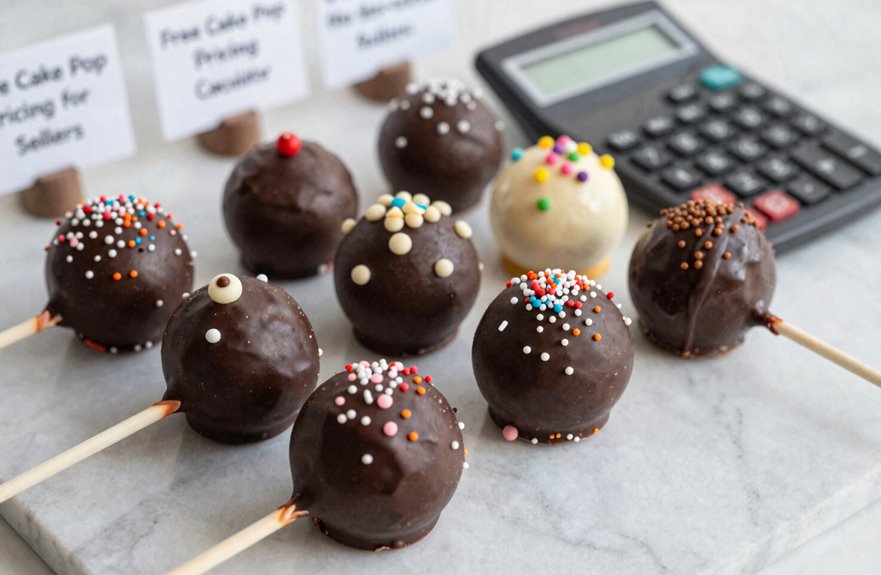
So how do you make sure you’re not losing money on every order? I use a free cake pop pricing calculator that has changed my approach to pricing. It takes about three minutes, no signup needed, and breaks down ingredients, labor, and overhead so I know my true costs.
What works well: it builds in a 10–15% failure rate for those pops that crack or fall off sticks, because that’s a real part of production. I input my base costs, add a complexity multiplier (usually 1.2 to 1.8 depending on design), and set my profit margin. The calculator spits out a price per pop or per dozen that keeps me profitable without guessing.
It helps me match market rates while paying myself properly for my time. No more underpricing out of fear; just confident numbers that work.

Halloween Cupcake Decorations: The set has pumpkin cupcake toppers*4, ghost cake decorations*8, edible knife cake toppers*12, and witch hats cupcake toppers*15. It's perfect for your Halloween party

Complete 4-in-1 Jar Rainbow Sprinkles Kit: This set includes four dedicated compartments with matching lids, each filled with a different classic decoration: colorful rainbow nonpareils sprinkles, bright rainbow jimmies sprinkles, playful star shapes, and festive rainbow confetti sprinkles

【Four Sizes in One Set】Includes 4 jars of edible pearl sprinkles in 2mm/4mm/7mm/10mm sizes, perfect for all baking needs, bake like a pro with just one set