I’ve found gluten-free cake tastes surprisingly similar to regular cake when you nail the technique, though the texture tells the truth first. Without gluten’s stretchy network, the crumb turns softer, less bouncy. It’s more yielding than springy. The flavor can absolutely match, sometimes even surpass, wheat-based cakes with good chocolate and balanced fat, but dryness sneaks in fast since gluten-free flours absorb moisture rapidly. I fix this with extra butter, a rest for the batter (twenty minutes lets starches hydrate), and just a quarter teaspoon of xanthan gum per cup of flour. Guests often can’t tell the difference until I confess, though the crumb gives a gentler collapse between your teeth. Proper storage techniques will keep your cake tender for several days.
Do Gluten-Free Cakes Taste Different? The Honest Answer
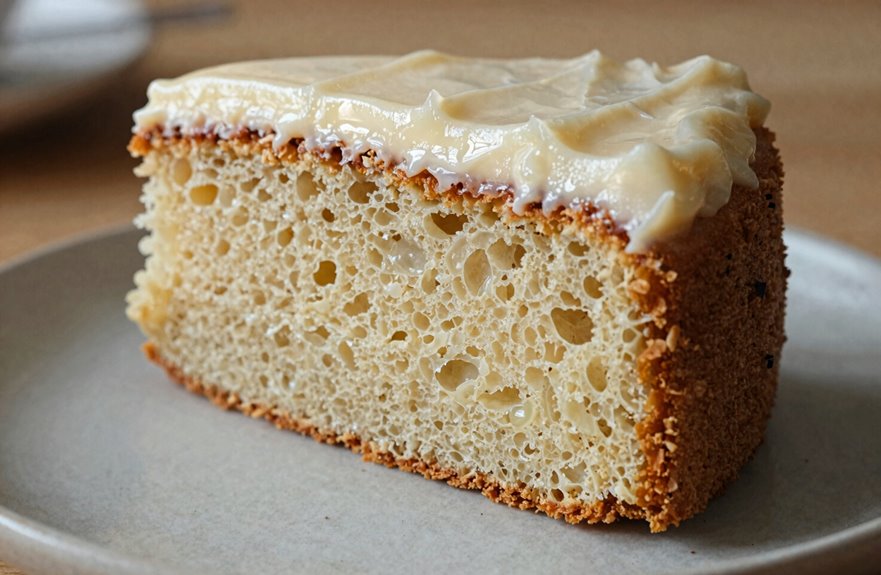
How do gluten-free cakes really compare to the classic ones I grew up with? I’ve found the flavor similarity can be surprisingly close when bakers use quality gluten-free flours and know their craft.
Gluten-free cakes can taste surprisingly close to the classics when bakers use quality flours and know their craft.
The taste gap isn’t really about missing gluten. It’s about the flour blend you choose and how much fat or moisture you add. I’ve eaten gluten-free cakes that tasted absolutely, completely, and nearly identical to traditional versions. Perhaps not perfectly, but quite close.
Now, texture differences show up more often. Without that elastic gluten network, cakes can turn crumbly or dry unless you’re careful. That’s where xanthan gum saves the day. It mimics gluten’s structure, giving you that tender mouthfeel we all crave.
With the right techniques, you’ll create something just as indulgent. Your guests might not even guess the difference.
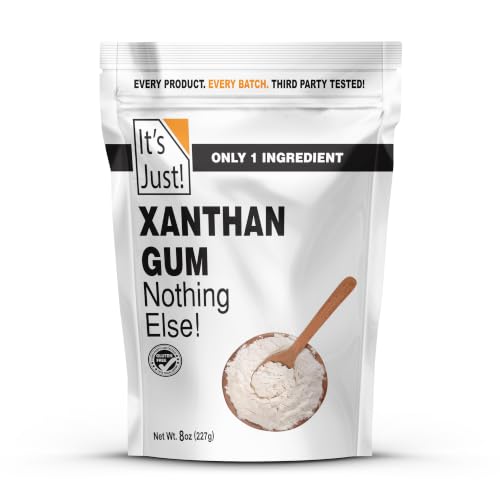
It's Just - Xanthan Gum, 8oz, Batch Tested Gluten Free, Keto Baking, Non-GMO, Thickener for Sauces, Soups, Dressings, Packaged in USA

Xanthan Gum is a soluble fiber produced from the pure culture fermentation of the microorganism Xanthomonas campestris

100% PURE & NATURAL XANTHAN GUM FOR BAKING KETO - Kate Naturals' Xanthan Gum Powder is natural and gluten free. Xantham gum is a great food thickener and is a gluten free baking powder.
Texture Trade-Offs: How Gluten-Free Cake Crumb Compares
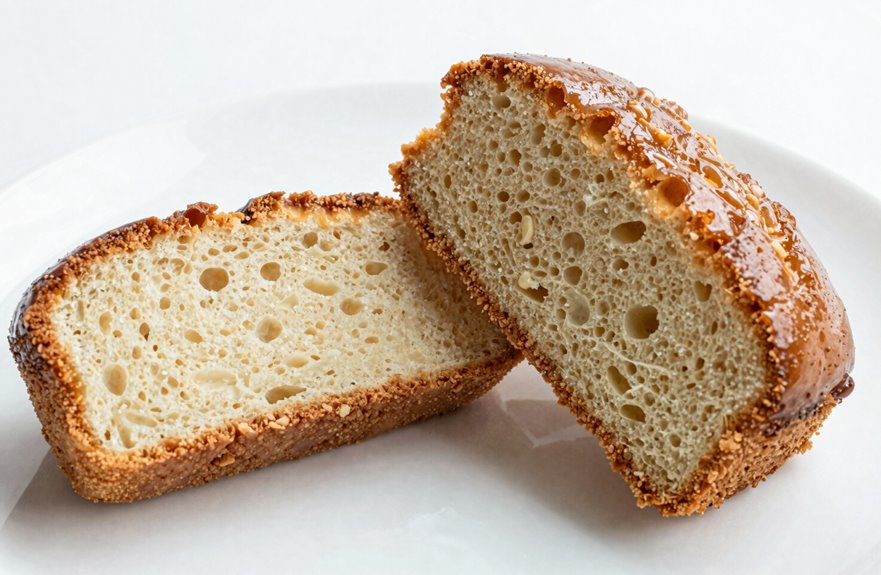
I’ve learned through experience that gluten-free cakes don’t just taste different; they feel different in your mouth, too. Without gluten’s stretchy web holding everything together, the crumb often turns dry or crumbly unless I bump up the fat and liquid, sometimes by a quarter cup or more. When I nail the balance, usually by resting the batter for twenty minutes and baking at a slightly lower temperature, I get that tight, even crumb I’m after.

Versatile Baking: Perfect 1:1 substitute for wheat flour in non-yeasted recipes, ideal for gluten-free cookies, cakes, muffins, and pancakes. Simplify your gluten-free baking with this all-purpose flour alternative.

King Arthur Gluten Free Flour is ideal for all gluten-free recipes, our carefully tested blend of white rice flour, whole grain brown rice flours, tapioca starch, and potato starch yields baked goods with no grittiness or aftertaste

Versatile Replacement: This gluten free flour 1 to 1 substitute for wheat flour can be used in yeasted recipes, allowing you to create delicious GF versions of artisan boules, bagels, cinnamon rolls, and burger buns with ease.
Crumb Structure Differences
Why does a gluten-free slice sometimes feel like it’s crumbling before you even take a bite? Picking up a forkful that dissolves into sad, dry bits is a common frustration.
Gluten-free flour changes everything about crumb structure. Without gluten’s stretchy network, we’re working with flours that need help holding together. Hydration is essential. Resting your batter lets those starches (tapioca, potato) absorb moisture properly. When you measure by weight and give the mix time to hydrate, the result is noticeable. The crumb becomes tender, even airy, instead of gritty or crumbly.
Blending binding agents like xanthan gum requires experimentation, but it works. With proper technique, your gluten-free crumb can match traditional cakes. The result is a fragile yet cohesive structure, which is the foundation of any quality cake.
Moisture Retention Challenges
The crumb might hold together now, but moisture is a separate challenge. Gluten-free flour absorbs liquid differently than wheat, leaving cakes dry if you don’t adjust. Adding extra fat and a splash more milk keeps things tender.
Resting the batter helps by giving the flour time to hydrate properly. Crumb softness improves with patience. Binding agents like xanthan gum make a real difference, mimicking what gluten does so moisture stays put instead of evaporating.
The right blend matters. Starches mixed with binders create that cake-like texture. When the balance clicks, you get something genuinely moist and worth sharing.
Why Gluten-Free Cake Tastes Drier (and How to Fix It)
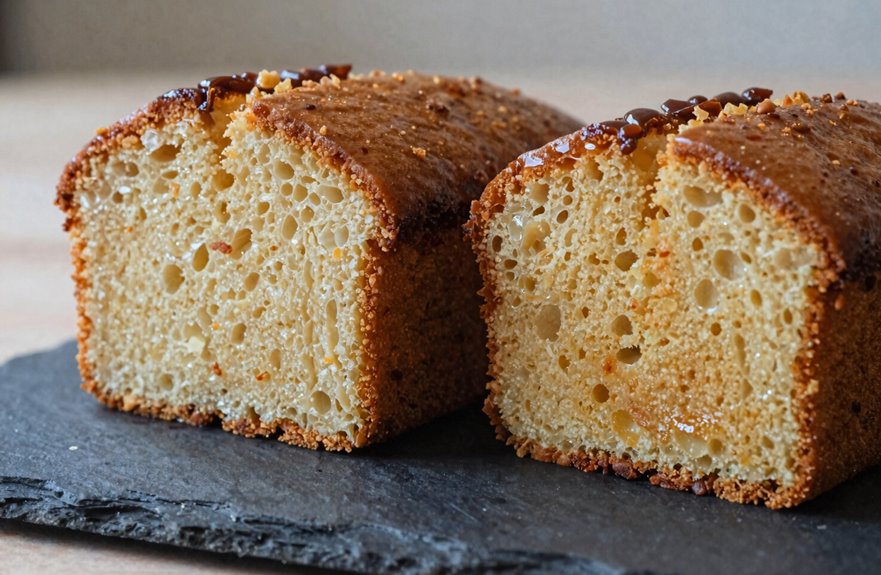
Most of us have bitten into a gluten-free cake expecting soft, tender crumb and ended up with something that feels like sawdust in your mouth. That gluten-free dryness comes down to how gluten-free flour blend behaves differently than wheat. These flours soak up liquid like sponges, especially if you’re rushing, and without gluten’s stretchy network, moisture retention just isn’t the same.
Several adjustments improve the results: bump up the fat with another tablespoon of oil or butter, and add yogurt or applesauce for extra moisture. Rest your batter to give the flours adequate hydration and soaking time so they soften properly. Using a blend with xanthan gum makes a significant difference. Sometimes adding an extra egg also helps. These small tweaks produce noticeably better cake.

Contains 1 pound of xanthan gum.

Premium Quality & Food Grade: Our 2lb Xanthan Gum Powder is made with the highest quality standards, ensuring a food-safe, gluten-free, and vegan-friendly product for all your cooking and baking needs.

IMPROVED TEXTURE & STABILITY: Food-Grade xanthan gum powder enhances the texture of various food products, such as sauces, dressings, and dairy alternatives. It makes these foods look smoother and more attractive.
Why Some Gluten-Free Cakes Feel Gritty (and Which Flours to Avoid)
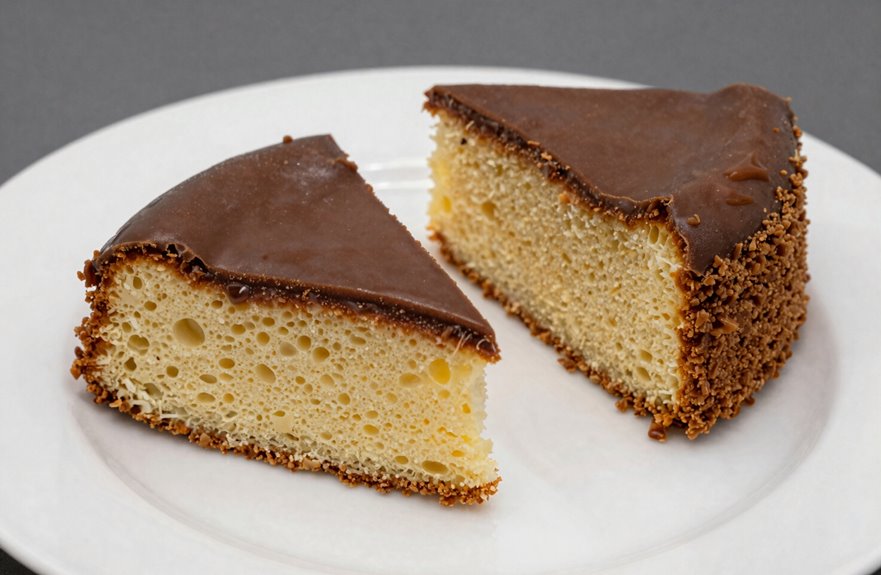
Ever wonder why some gluten-free cakes feel like you’re chewing through sand. Flour particle size is usually the culprit behind that gritty texture. Some gluten-free flours, like brown rice or corn, simply don’t grind down fine enough.
What to watch for:
- Skip single-ingredient swaps; they rarely work without binding agents to hold things together
- Run coarse grain flours through your food processor first. It makes a real difference
- Grab blends designed for baking. They’re balanced better than going solo
Xanthan gum or psyllium husk improves structure so your cake doesn’t crumble apart. Once you identify which gluten-free flours to avoid, that sandy mouthfeel disappears.

MOIST AND DELICIOUS: This mix might be gluten free, but let us tell you what it does have: moist, delicious cake with a cinnamon swirl and a rich, buttery topping that makes every day start off right.

We've created a gluten-free cake mix that makes the best ever yellow cake, every time you bake. Turn it into a tender, golden layer cake or make a batch of moist, finely-crumbed cupcakes. You pick the frostings and fillings (sprinkles highly recommended)

Decadent Chocolate: Indulge in our rich, moist gluten-free chocolate cake mix that's perfect for birthdays and special occasions. This mix creates an intensely chocolatey dessert that everyone will love, whether they're gluten-free or not.
Moisture Hacks for Gluten-Free Cake That Actually Work
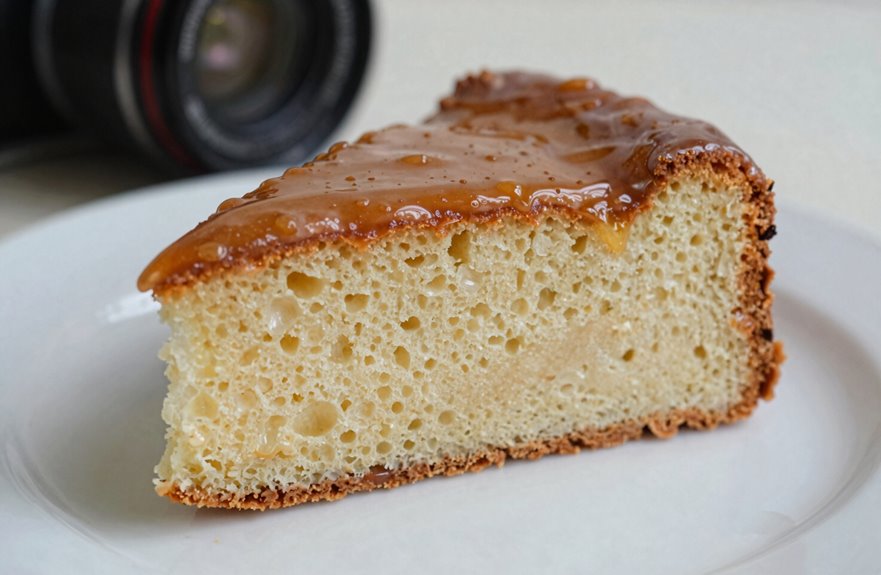
Getting past that gritty texture is only half the battle. Locking in that elusive moisture is where gluten-free baking really tests us.
Getting past gritty texture is only half the battle—locking in moisture is where gluten-free baking truly tests us.
Boosting gluten-free cake moisture means embracing extra fat and liquid. Those absorbent flours need it. I swap in full-fat dairy or rich alternatives, and always rest my batter. Patience pays off. That hydration and resting step, even thirty minutes, lets starches drink deeply, softening everything.
Don’t skip the xanthan gum either. I used to, stubbornly. Turns out it binds water right into the crumb, fighting that sad, crumbly dryness.
A dollop of sour cream and a splash of applesauce deliver measurable results. Flour behaves differently in gluten-free baking, requiring different techniques. Working with these adjustments produces consistently moist cakes.

Place your freshly baked Bundt cake inside, set the cover on top, and twist to lock the cake safely inside

PORTABLE & EASY TO CARRY - Say goodbye to cake disasters... With double strong carrying handles, this travel cake carrier makes transport safe and stress-free. The round cake carrier design is perfect for parties and picnics. Avoid those dreaded cake mishaps!

✅Made of food-grade PP material which is safe to storage food, Recycle to use, more environmental compared with bread carrier. Inner Size:36.5*16.6*13.5cm/14.3*6.5*5.3 inches.
What Replaces Wheat Flour in Gluten-Free Cakes?
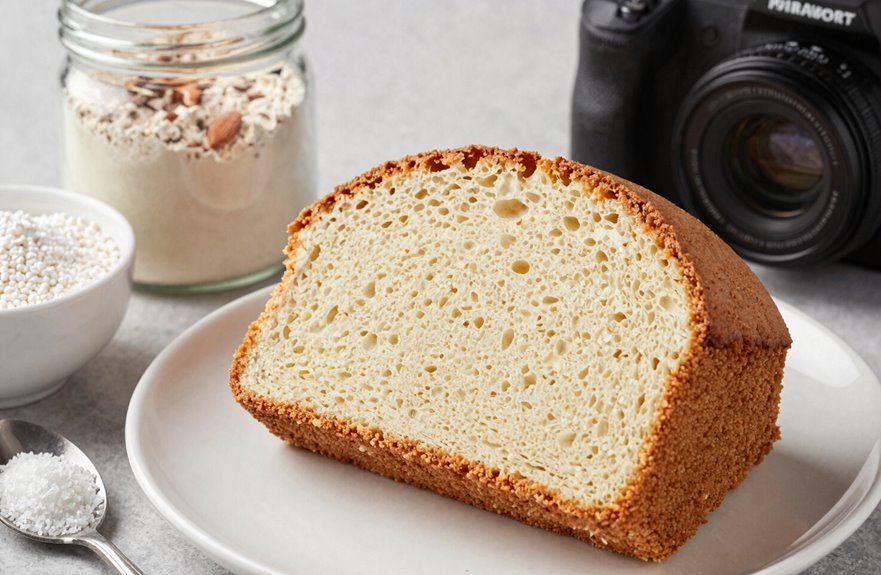
So what exactly goes into a gluten-free cake when wheat flour’s off the table?
I use gluten-free flours like rice, almond, sorghum, and tapioca, blending them to build structure. What matters most:
- Texture shifts without gluten, becoming more tender (sometimes crumbly) unless I balance ingredients carefully
- Binding agents like eggs step in, mimicking that elastic hold gluten normally provides
- Moisture behaves differently. Gluten-free flours soak up liquid faster, so I often need extra liquid or fat to keep cakes from drying out
Pre-made mixes with xanthan gum bring me closer to classic cake consistency, though scratch blends let me tweak for better rise. Understanding these swaps transforms gluten-free baking from trial and error into predictable results.

Versatile Baking: Create two 8 in or 9 in round layers, one 9 in x 13 in sheet cake, or 24 cupcakes with this 18 Oz gluten free cake mix (cupcake mix). Perfect for birthdays and special occasions, this mix offers flexibility for various baking needs


GOOD INGREDIENTS FOR ALL: A gluten free pantry essential, Bob’s Red Mill Xanthan Gum helps liquids combine seamlessly and binds doughs and batters, giving them the elasticity needed for homemade perfection, every time;
Do You Need Xanthan Gum in Gluten-Free Cake?
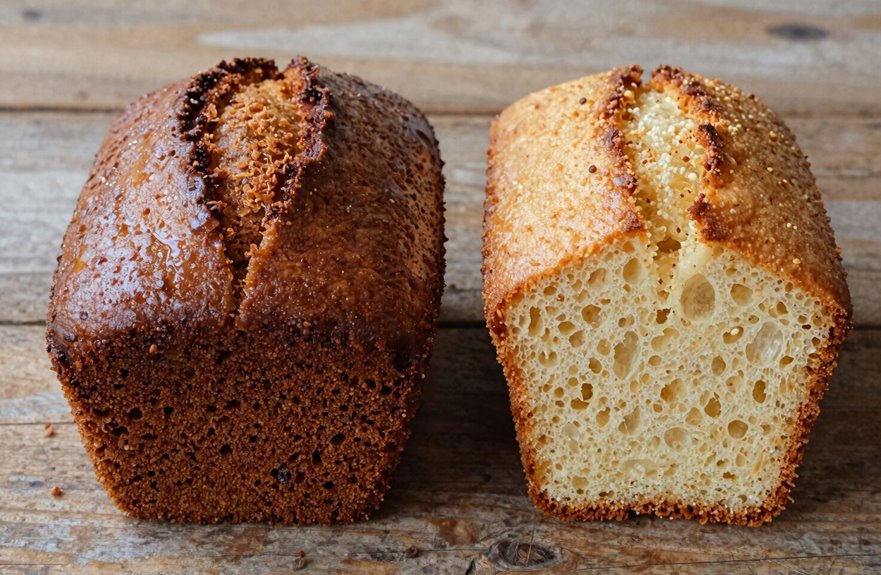
Why does one tiny additive spark so much debate in gluten-free baking? When you swap wheat for gluten-free flour, you lose that stretchy protein network that holds everything together. Xanthan gum mimics gluten’s binding power. Without it, cakes crumble apart like sad, sweet sandcastles because the structure simply isn’t there.
Add a quarter to half teaspoon per cup of flour, and suddenly the crumb transforms. It becomes moist, cohesive, and actually cake-like. Some flour blends include xanthan gum already, which is convenient. Others rely on eggs alone, but results vary widely. Adding it separately when unsure guarantees that tender, stable crumb most bakers want.


GLUTEN FREE MADE EASY: Bob’s Red Mill expertly crafted a one-to-one blend of gluten free flours, starches and xanthan gum; effortlessly transforms traditional cookies, cakes, brownies, muffins and pancakes into gluten free treats

The Heavy Cake Problem: Density Fixes for Gluten-Free Bakes
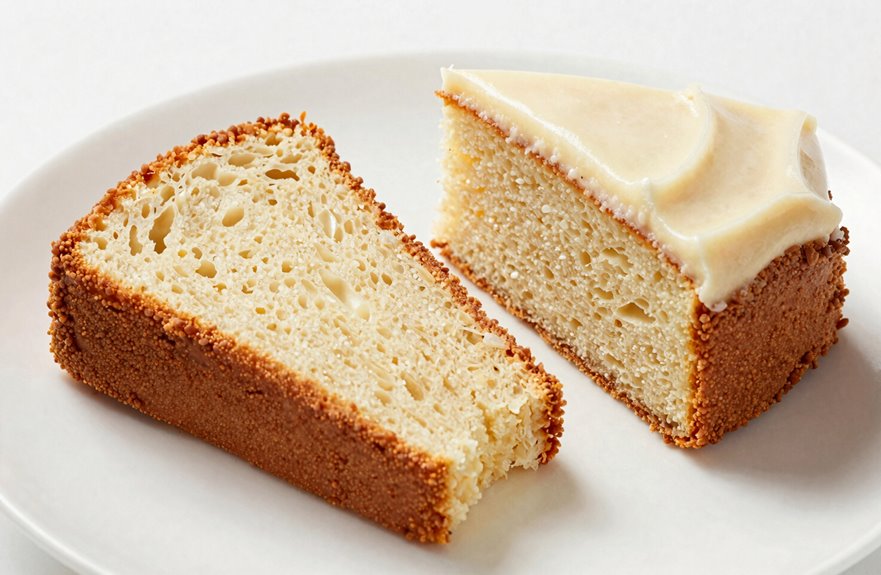
Ever pull a gluten-free cake from the oven, only to find it weighs about as much as a small brick. Gluten-free density is a real challenge, but several fixes actually work.
- Add extra fat or oil. This boosts moisture and helps the batter rise instead of sinking.
- Use xanthan gum or other binding agents to trap air and keep the crumb from turning into a dense, compact mass.
- Increase your liquid, since gluten-free flours like rice, potato, and tapioca absorb more moisture and need additional liquid to stay tender.
These adjustments will improve your gluten-free baking results.

Premium Food-Grade Xanthan Gum — 100% pure, non-GMO, and vegan. No clumps, no guesswork. Just smooth, reliable thickening for gluten-free baking, sauces, and smoothies. Stays fresh in a resealable canister, scoop after scoop

VERSATILE AND ESSENTIAL INGREDIENT - Xanthan gum powder is a crucial and versatile ingredient for cooking and baking with numerous daily uses in kitchen. From thickening sauces, dairy alternatives and dressings to enhancing the texture and stability of various foods, its unique properties make it a must-have for culinary enthusiasts.

Gluten-Free Binder: Adds strength, structure, and elasticity to gluten-free flour blends for breads, cakes, cookies, and pizza dough; a baking essential for gluten-free kitchens.
Rest Your Batter: A Gluten-Free Cake Texture Hack
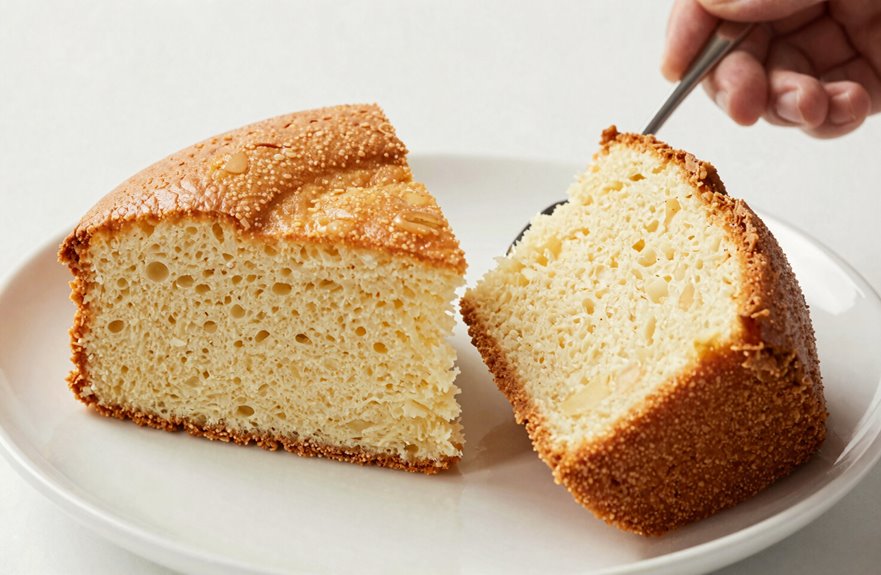
How much difference could thirty minutes really make? Turns out, plenty. When I started resting my gluten-free batter, everything changed.
Here’s what happens: those gritty GF flours I used to fight soften as they hydrate. The starches drink up every drop of liquid, giving me better crumb moisture. No more dry, disappointing bites. And xanthan gum, that tricky thickener, finally gets time to do its job, building structure without turning my cake into rubber.
I rest mine twenty to thirty minutes, sometimes longer if I’m feeling patient. The texture becomes more even, more like what I remember from before my gluten-free days.
It’s a small step, almost too simple, yet it fixes so much. Try it and you’ll notice a significant improvement in your batter’s final texture.


GLUTEN-FREE: The Kikkoman Panko Style Coating contains crispy texture of panko without gluten, making it suitable for those with gluten sensitivities or dietary restrictions.

Delicious & Fluffy – Enjoy a light and fluffy angel food cake with a taste so delicious, no one will know it’s gluten-free! Perfect for any occasion, this cake will delight your family and friends.
Flavor vs. Texture: What Changes Most?
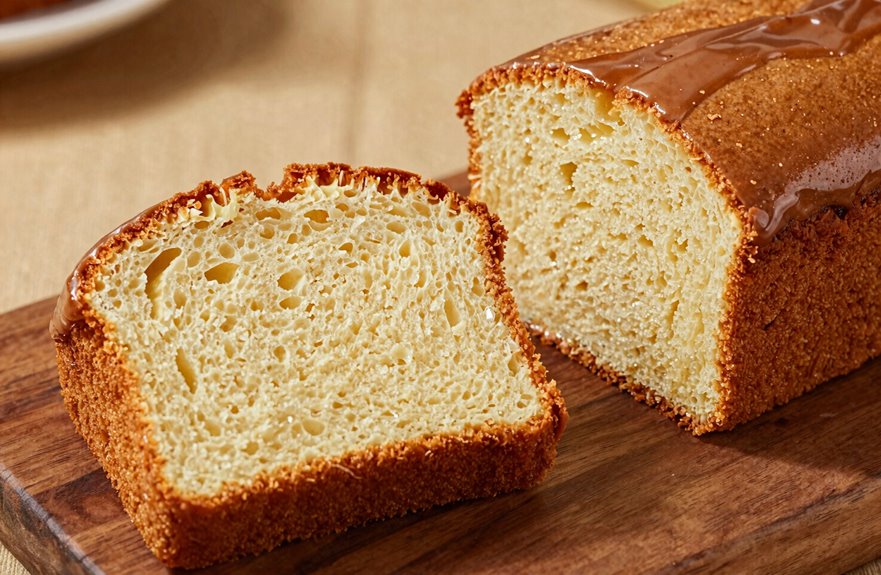
What hits you first when you take that bite? It’s texture, hands down. While flavor can come pretty close to traditional cakes, that mouthfeel is where gluten-free flour reveals itself.
Texture hits first, hands down—that mouthfeel is where gluten-free flour always reveals itself.
- The crumb might feel finer, almost sandy, or turn dense and gummy if the blend’s off
- You need extra moisture because gluten-free flour drinks up liquid differently
- The stretch and chew you expect is the challenge we’re all working through
I’ve learned through trial and error that cup-for-cup swaps don’t work. My early cakes crumbled apart. Now I add more fat, adjust my leavening, and accept the crumb will never be identical. The taste has gotten so good that my non-gluten-free friends can’t always tell the difference.

SUPER STURDY: Built to last, our cupcake holder with lid is designed to safely transport freshly baked goods for many years to come.

High-impact clear plastic keeps bundt and other cakes fresh

HIGH QUALITY & DURABLE: Holiday Season is here! Bring home this beautiful Cake Server is designed to store and serve!.This cake server accommodates up to 13 inch round cake
When Gluten-Free Cake Tastes Better Than Regular
I’ve noticed that gluten-free cakes can actually hold onto moisture better than regular ones, especially when you’re using blends with almond or coconut flour, which keeps the crumb softer for days. The flavor depth is notable since alternative flours carry their own nutty, almost caramel-like notes that plain wheat cannot match. Once I started baking gluten-free with real intention, measuring my xanthan gum precisely at 1/4 teaspoon per cup of flour, I found the complexity of the results superior to my old standard recipes.
Moisture Retention Advantages
Why do some gluten-free cakes practically melt in your mouth, staying soft for days while regular cakes go stale overnight? The secret lies in how gluten-free flours absorb moisture differently, which works significantly to the baker’s advantage.
These factors keep gluten-free cakes luscious:
- Higher fat content creates that tender, stay-soft crumb we crave
- Binding agents like xanthan gum trap moisture right where it belongs
- Blended flours (rice, potato, tapioca) hydrate better than wheat alone
The absorbent nature of gluten-free flours means bakers add extra liquid and let batters rest longer. This extended preparation time produces measurable results. Gluten-free cakes remain soft and moist while wheat-based recipes turn dry by morning. The structural advantages of gluten-free formulations provide superior moisture retention without sacrificing texture or taste.
Flavor Profile Depth
After years of side-by-side testing in my own kitchen, I’m convinced gluten-free cakes can actually outperform their wheat-based cousins when it comes to flavor depth. The evidence is in the empty mixing bowls.
Gluten-free flavor depth isn’t about hiding missing ingredients; it’s about better flavor development through careful choices. I use Belgian dark chocolate at least 70% cocoa for chocolate intensity that wheat cakes simply can’t match. The moisture and fat balance in GF batters, which I’d worried would be tricky, actually carries flavors further. More butter, more oil, more richness.
When you nail that balance, suddenly everyone’s asking for seconds. Including the gluten eaters, which feels remarkable.
Where to Find Gluten-Free Cakes That Taste Authentic
So where do you actually find gluten-free cakes that taste like the real deal? Not some sad, sandy impostor that crumbles in your hand. Authentic gluten-free cakes come down to who’s doing the baking and what they’re putting in.
Here’s where I look:
- Specialty bakeries that blend rice, sorghum, and millet flours with starches like tapioca for that tender crumb we crave
- Premium mail-order spots like We Take The Cake, where I’ve found chocolate and vanilla cakes I’d swear weren’t gluten-free
- Home bakers who rest their batters and adjust fat content, since gluten-free flours need extra moisture to match regular cake texture
When you find bakers who prioritize taste and texture, you’re accessing superior products backed by proven baking techniques and quality ingredients.