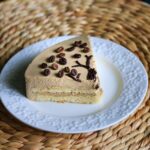
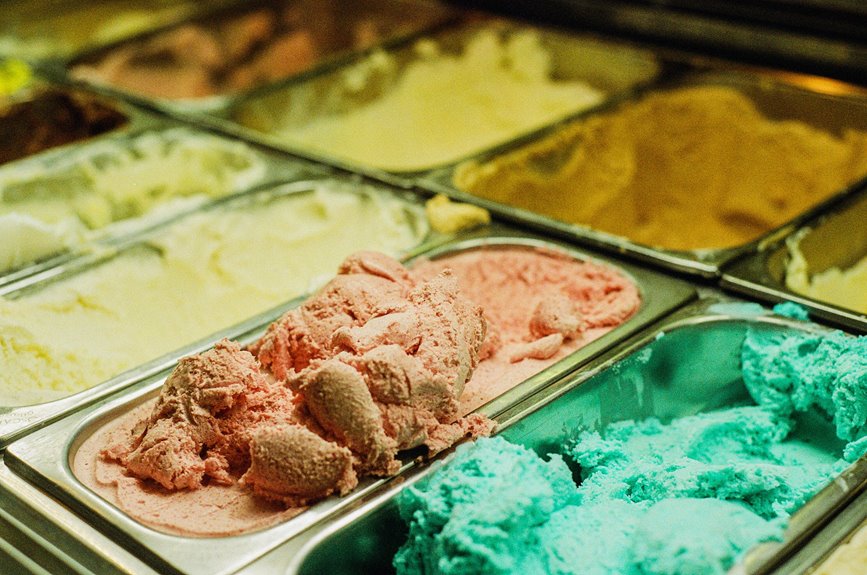
I keep my ice cream cake at peak quality for about a week in the freezer, wrapped tight and tucked in the back where it’s steady at 0°F. You can stretch storage to two or four weeks, and it remains safe to eat, but you’ll notice ice crystals forming and the flavor becoming flat. At one month, guests won’t get sick, but they may not ask for seconds. Seven days is optimal for that creamy, just-from-the-shop taste. Proper wrapping with double-layer plastic and sealed edges is as critical as timing. The storage method I use keeps ice cream cake ready for serving.
How Long Does Ice Cream Cake Last in the Freezer?
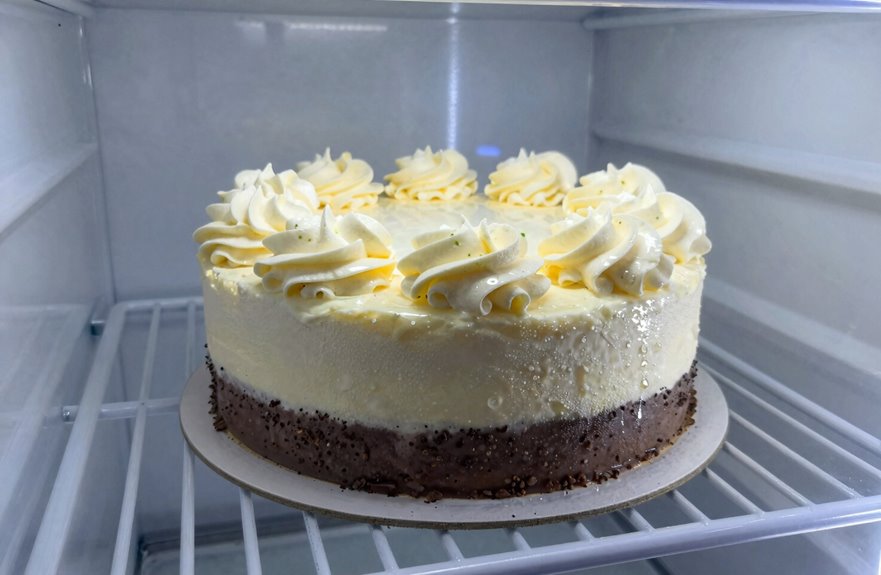
So, how long can you actually keep an ice cream cake before it turns into a frosty disappointment? Freezer storage works best when you’re realistic about timelines. Keep your cake solidly frozen and well wrapped, and you’ve got about a week of prime quality, maybe a little wiggle room, but not much further. Some folks stretch that to a month with airtight bags or containers, and leftover birthday cake is common. Your freezer matters too; stable, cold temperatures keep things creamy, while frequent door openings invite freezer burn and weird textures. The key rule to follow is this: once it softens, don’t refreeze. That icy, grainy texture ruins everything, so keep yours frozen solid until you’re ready to serve.

Great value pack: You'll receive 50 plastic spoons in one go. This ample supply effortlessly meets your daily dining needs, party catering, takeaway packing and more, eliminating the need for frequent restocking. It's both hassle-free and economical.


【 Complete Cake Display Set 】 This 5-piece combo pack includes five 10" black trays, five clear high dome lids, and five 10" corrugated white cake boards, providing everything you need to elegantly showcase your delicious cakes.
How Long Is It Safe to Eat vs. Best Quality?
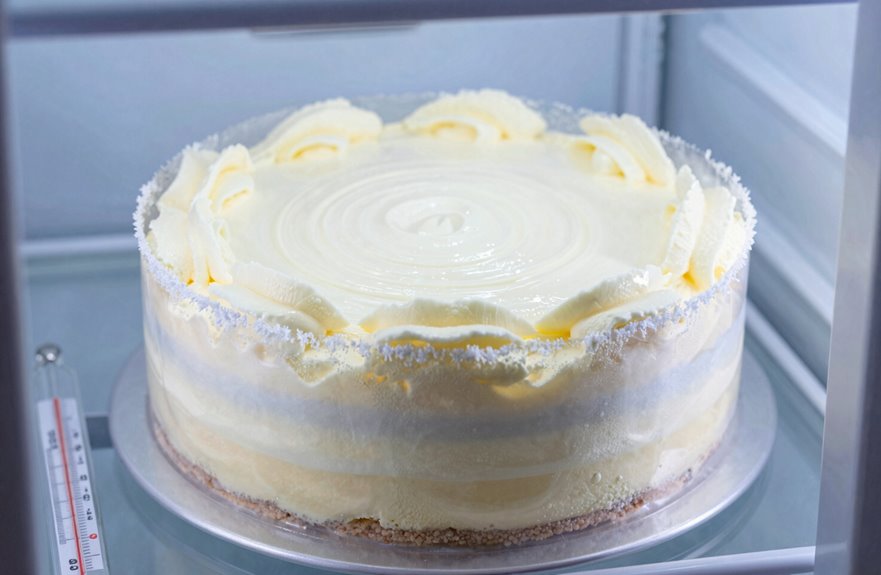
I get asked this a lot, and it’s one of those questions where the answer depends on what you’re really after. We all hate wasting food. So here’s what you need to know about how long your ice cream cake stays amazing versus merely edible.
| Timeframe | Quality Level | What to Expect |
|---|---|---|
| 0-7 days | Peak perfection | Fresh flavor, creamy texture, pretty decorations |
| 1-2 weeks | Still tasty | Slight texture changes, maybe some ice crystals |
| 2-4 weeks | Good enough | Noticeable freezer effects, but safe to eat |
| Beyond 1 month | Questionable | Freezer burn risk increases, quality drops |
For the best experience, eat it within that first week. After that, it’s completely safe, though the texture and flavor won’t match the original quality and the decorations may show signs of freezer damage.
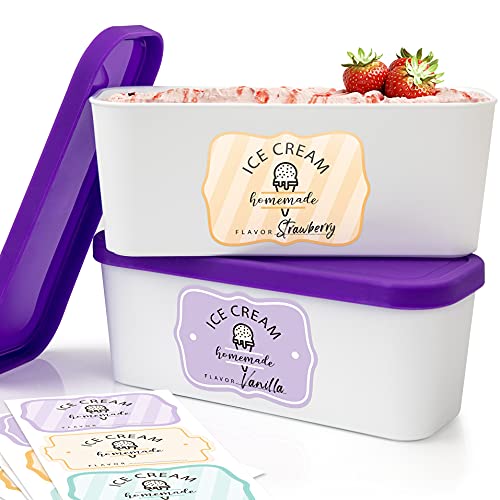
Perfect For Homemade Ice Cream & More: The ice cream tub set of 2 is a great way to freeze your yummy homemade ice cream, fruit sorbet & frozen yogurt! Not only is the ice container a gem for dessert lovers - it also works flawlessly for food storage - meal prep made easy!

High-quality: The cake push pop containers with lids are made of food-grade PET plastic material, healthy and environmentally friendly. The cake push pops are thick enough to ensure not bend or crack. The cake push-up pop shooter is sturdy and durable, which can keep your cake fresh and clean.

Stylish Ice Cream Containers Reusable- Each homemade ice cream container holds 1 Liter (1 Quart) and measures 5.3” tall X 4.7" Wide. A set contains 4 ice cream freezer storage containers, eliminating the need for large ice cream pint containers! Great for storing & gifting your creations!
What’s the Best Way to Wrap Ice Cream Cake?
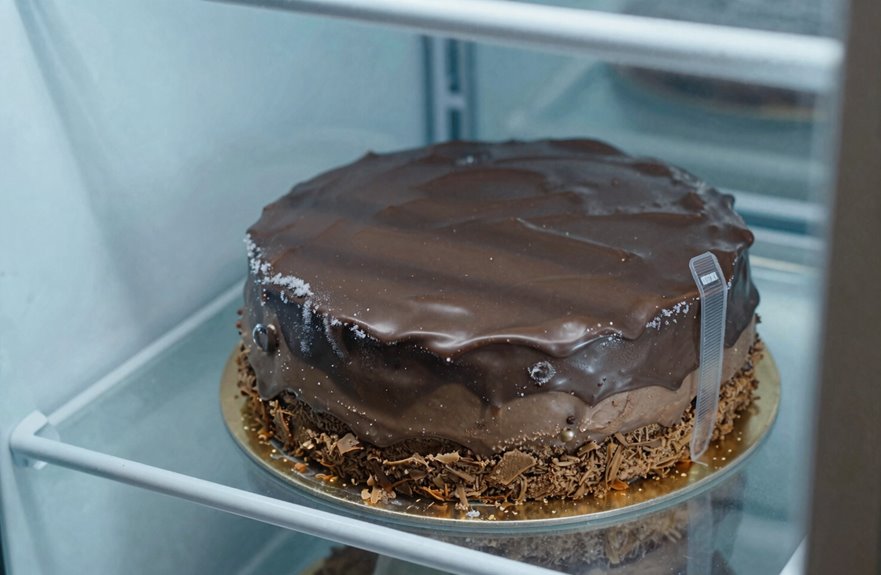
I’ve found that wrapping ice cream cake well makes a significant difference in how it tastes weeks later. Press plastic wrap directly against the cut edges to seal them effectively, or place the whole cake into an airtight container if available. Both methods prevent air exposure, which causes freezer burn and flavor loss.

Premium Material: Disposable foil pans with lids are made of sturdy and durable material, ideal for serving hot and cold dishes, these aluminum foil pans with lids are perfect for baking, cooking and storage. (The foil lids are not suitable for ovens)

The top size of each pans is 8.5"x6", the bottom size is 6.5"x4.5", the height is 2" | Quantity: 50 foil pans and 50 cardboard lids.
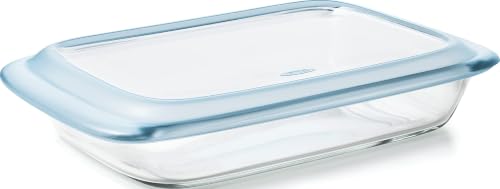
FREEZER-TO-OVEN: Thermal shock-resistant borosilicate glass allows this baking dish to go from the freezer directly to the oven without cracking. Ideal for meal prep, potlucks, entertaining, and convenient for everyday cooking and storage needs.
Wrap With Plastic Wrap
How do you keep that leftover ice cream cake from turning into a frosty, flavorless brick. Wrap it with plastic wrap and press that wrap directly against the cut surfaces so no air can creep in and cause freezer burn. That icy texture develops when air exposure occurs, so this step prevents it.
For extra protection, double up on the layers, especially if you’re skipping a container. Two layers block freezer odors from transferring to your cake; nobody wants birthday cake that tastes like last month’s fish sticks. It’s not fancy, but it works. Your future self will appreciate that slice when it still tastes creamy weeks later.
Use Airtight Containers
Plastic wrap works fine, sure, but sometimes you want something sturdier—something that won’t cling to itself and crinkle into a frustrating ball while you’re trying to cover cake. That’s where an airtight container saves the day. I’ve switched to plastic ones, skip the glass. Glass freezes slower and invites freezer burn. Pop your cake inside, snap that lid tight, and you’re set. The seal locks in moisture way better than wrap alone, which matters when you’re stretching leftovers across weeks. I still double-check for exposed edges, old habits die hard. Tuck it in the freezer’s back corner, away from that door you open seventeen times hunting for snacks. Your future self, craving midnight cake, will appreciate the difference.
Where Should You Store Ice Cream Cake in the Freezer?
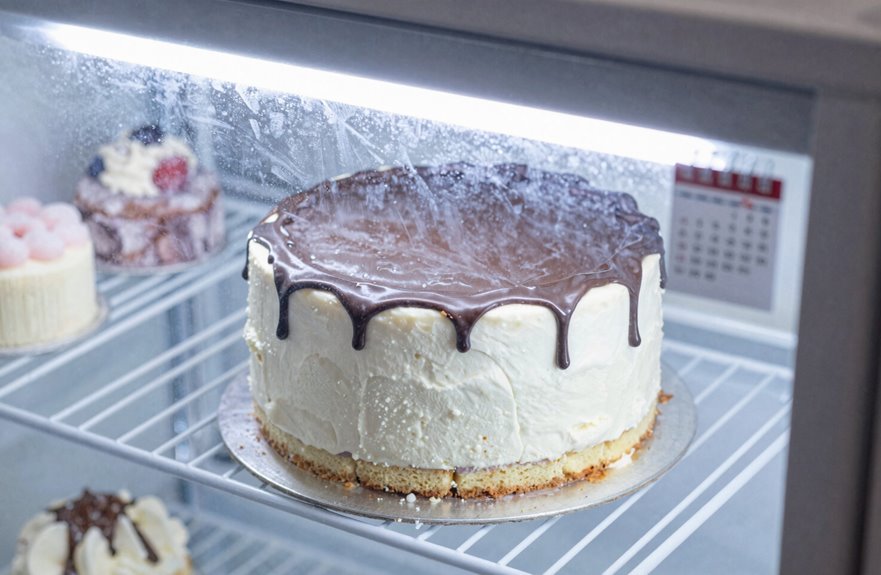
So you’ve got your ice cream cake, and now you’re wondering exactly where to tuck it away so it stays perfect. Placement really matters.
Here’s what works:
- Push it to the back of the freezer, where temperatures stay steady and door openings won’t affect it
- Skip glass containers, they’re slow to freeze and invite freezer burn faster than plastic alternatives
- Keep that plastic wrap pressed tight against any cut edges, then seal it in a bag
Go for plastic freezer containers or double-wrap with wrap and bagging. The back corner, away from the door, keeps everything consistent. Your cake will maintain quality better in a stable, cold location, especially if you’re saving it beyond a few days.

PRESS'N SEAL PLASTIC FOOD WRAP: With a quick press and glide, this food wrap keeps food fresh with a leak proof, air tight seal making it the ultimate storage solution; packaging may vary

CLING WRAP WITH SLIDE CUTTER-Contains one roll of Reynolds Quick Cut Plastic Wrap with slide cutter, measuring 225 feet long by 12 inches wide (225 square feet)

Griptex technology provides superior sealing power. BPA free, microwave safe. Use for freezing or refrigerating individual portions
What Is Freezer Burn and How Do You Prevent It?
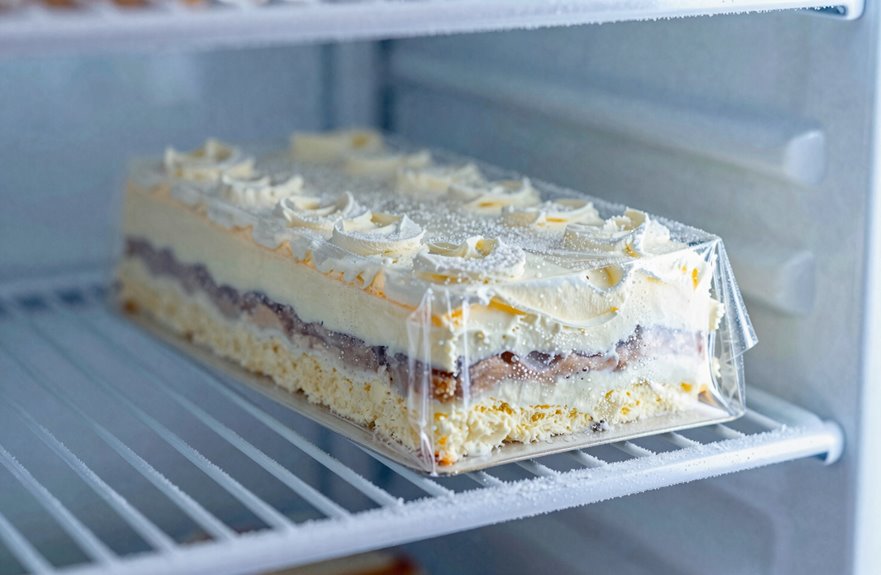
Why does that frosty, grayish crust keep ruining my frozen treats? That’s freezer burn, which occurs when moisture escapes from ice cream cake, leaving behind dry, leathery spots and weird ice crystals. It happens when air hits the surface or when frequent freezer access causes temperature swings. To stop freezer burn, press plastic wrap right against the cake edges with no air gaps, or stash it in an airtight container. Keep your freezer steady at 0°F and limit how often you open the door. The cake stays creamy, the flavor stays true, and you avoid wasting money on something that tastes like freezer.

Perfect For Homemade Ice Cream & More: The ice cream tub set of 2 is a great way to freeze your yummy homemade ice cream, fruit sorbet & frozen yogurt! Not only is the ice container a gem for dessert lovers - it also works flawlessly for food storage - meal prep made easy!

Premium Ice Cream Storage Container: Crafted from food-safe, BPA-free materials, the ice cream container set prioritizes your relish and the preservation of your frozen creations. Trust in the top-notch ice cream freezer tubs that melt ice cream lover’s hearts

Tough, Stylish & Reusable Ice Cream Containers: This Ice Cream Container is the perfect addition for your freezer, with its innovative design it can store Ice Cream, Gelato, Sorbet and many other freezer storage needs. This container holds 1 Quart of your favorite treats!
Is Freezer-Burned Ice Cream Cake Safe to Eat?
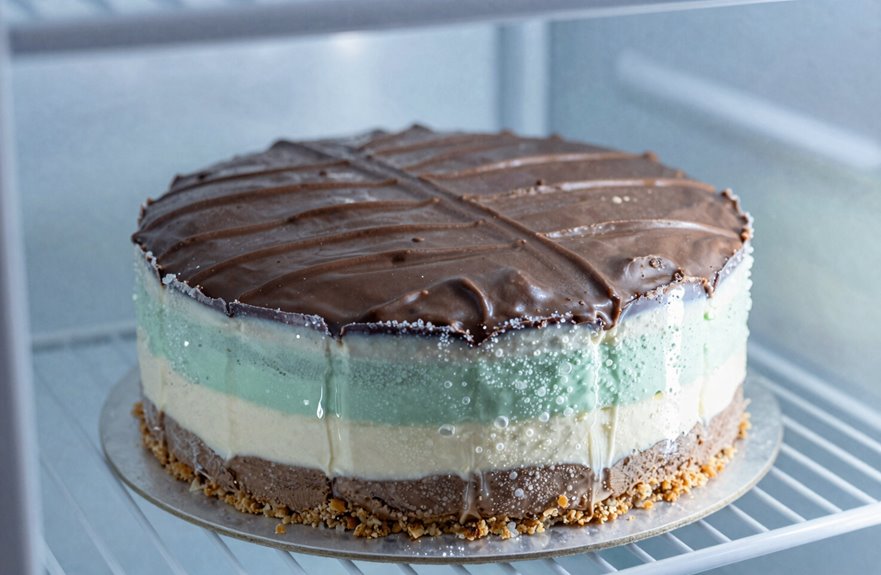
Maybe you’ve stared at that grayish, frosty patch on your ice cream cake and wondered if you really have to throw it away. I’ve been there, fork in hand, debating whether freezer burn means danger or just disappointment.
What I’ve learned about freezer burn and safety:
- Freezer burn doesn’t make your cake unsafe. It just affects taste and texture.
- Those ice crystals form from moisture loss, so your cake gets weirdly crunchy, not poisonous.
- Check for actual spoilage (off smells, weird colors) before eating.
I’ve eaten freezer-burned cake at 2 AM. Was it ideal? No. Did it cause any harm? No. If you’re hosting friends and want something visually appealing, skip the freezer-burned portions. For a solo meal, the frosty bite won’t hurt you.


3 CAKE DISPLAY COMBO PACK – this set includes 3 black 10" trays, 3 clear high dome lids, and 3 10" corrugated white cake boards. Perfect for putting your delicious cakes on display! The lid is tall enough to accommodate cakes with 2-3 layers that are up to 10" in diameter. Since the lid is clear, your guests will have an excellent view of the entire product!

Food-Grade Materials: Our cake containers with lids is safe for hot or cold foods and gives you a solid, eco-friendly alternative to cheap plastics or expensive metal tray and cover sets.
Which Ingredients Freeze Best in Ice Cream Cake?
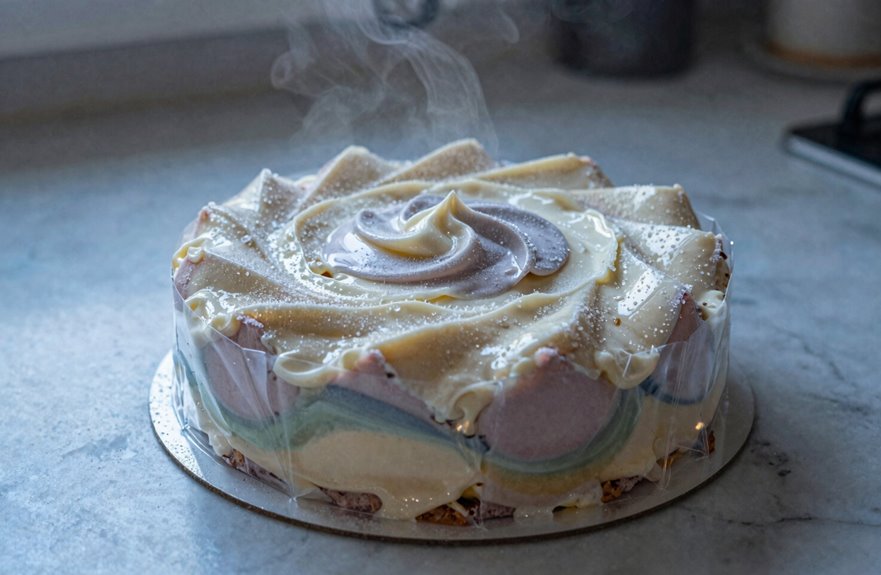
I’ve found that pure ice cream fillings, without all the fussy extras, are your best bet for long freezer life. Think simple vanilla or chocolate bases that stay smooth for months. Dairy-heavy stuff like cream cheese or buttercream will deteriorate after a week or two, getting grainy or separating. If you want that cake to last, stick with stabilizers and skip the whipped cream layers. A slice pulled out at week six will maintain better quality and texture.

**Unique Freeze-Dried Ice Cream Treat:** Enjoy crunchy, sweet freeze-dried ice cream cake bites with a delicious strawberry cake flavor. Perfect for dessert lovers who crave innovative, fun treats.

**Unique Freeze-Dried Ice Cream Treat:** Enjoy crunchy, sweet freeze-dried ice cream cake bites with a delicious strawberry cake flavor. Perfect for dessert lovers who crave innovative, fun treats.

Ideal Frozen Ingredients
What makes an ice cream cake actually worth freezing? The answer lies in picking ingredients that maintain their quality, not turn icy and degraded.
The best options for freezer cakes include:
- Dense, uniform fillings freeze evenly without weird ice crystals
- Simple ice cream with basic cake layers stay steady, no fussy temperature swings needed
- Skipping whipped toppings and buttercream keeps texture happy for months
I wrap mine tight in plastic, then tuck it into a rigid container. This method prevents freezer burn, which degrades texture and flavor. Cakes without perishable ingredients like eggs or heavy dairy creams maintain quality for up to two months.
Dairy-Based Fillings
When I’m building an ice cream cake that needs to last, not all dairy fillings perform well in the freezer. Cream cheese turns grainy after a few weeks, making it unsuitable for long-term storage despite its initial appeal. Plain whipped cream separates into a weepy layer that’s unpleasant to serve. Heavy cream-based fillings and stabilized whipped cream maintain their structure through freezing. Buttercream and custard develop crystalline textures during storage, creating undesirable changes in mouthfeel. For maximum stability, simple ice cream layers with low moisture content freeze cleanly without texture degradation.
Stabilizing Additions
Why does some ice cream cake turn icy and sad after a month while yours stays dreamy? It’s all about the stabilizers we choose.
Let me share what keeps our cakes in the club:
- Fat-rich friends like cream, chocolate, and peanut butter freeze smooth and resist that dreaded icy crunch
- Sugar, alcohol, or corn syrup lower the freezing point, keeping crystals small and textures lush
- Gelatin, cornstarch, or guar gum act as stabilizers, improving sliceability and fighting freezer burn
I skip adding fruit or cookies until serving because they get soggy. Consistent freezer temperature is essential. Rapid, even freezing keeps everything stable together. With these techniques, you’re building a cake that maintains quality and is worth sharing.
What Happens If You Refreeze Melted Ice Cream Cake?
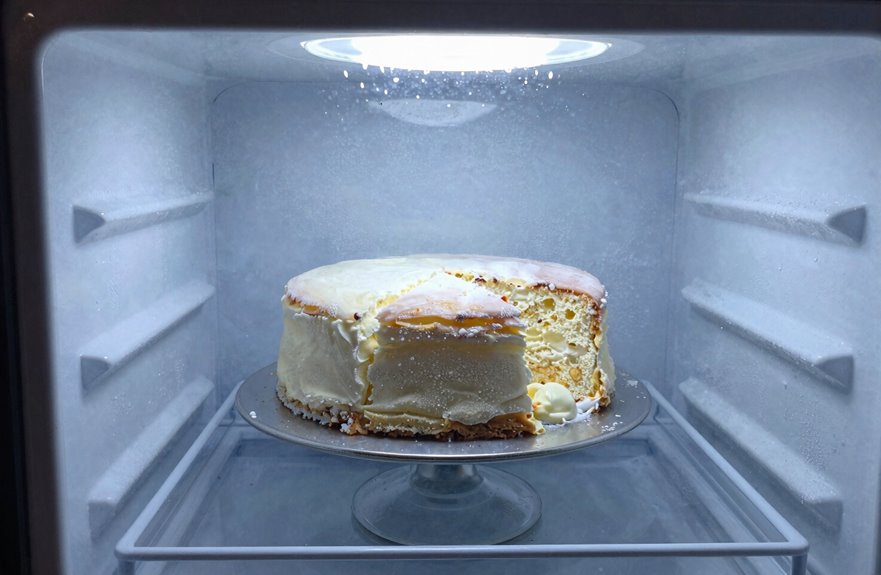
Although refreezing a melted ice cream cake does mess things up, the science behind it is straightforward. When your cake goes soupy, those ice crystals reform irregularly, leaving you with something grainy, icy, and disappointing. The mouthfeel becomes unpleasant. The flavor turns flat and off. Refreezing basically ruins what made that cake special in the first place.
If it’s just a little soft, that’s fine; serve it up. But once it’s truly melted, make a decision. Either finish it or let it go. For the best results, portion and refreeze when still firm. Your taste buds and your guests will notice the difference.

Thermal-shock-resistant borosilicate glass can go from the freezer of fridge to microwave or oven without cracking

BAKE SERVE AND PACK IN ONE: Skip the extra transfer from baking dish to storage box. These small aluminum pans with lids double as individual baking tins and food containers - bake cinnamon rolls, mini cakes or cheesecake right in the pan, snap on the clear lid, and they are ready to gift, store or take out. Smooth rolled edges make handling easy.

BAKE, SERVE & STORE IN ONE PRACTICAL DISH WITH LIDS: Our disposable 9” cake pans with lids provide ultimate convenience for bakers, chefs and hosts alike. Whether you’re prepping pastries, cooking dinner, or feeding a crowd, MontoPack makes food service an absolute pleasure.
How Long Should You Thaw Ice Cream Cake Before Serving?
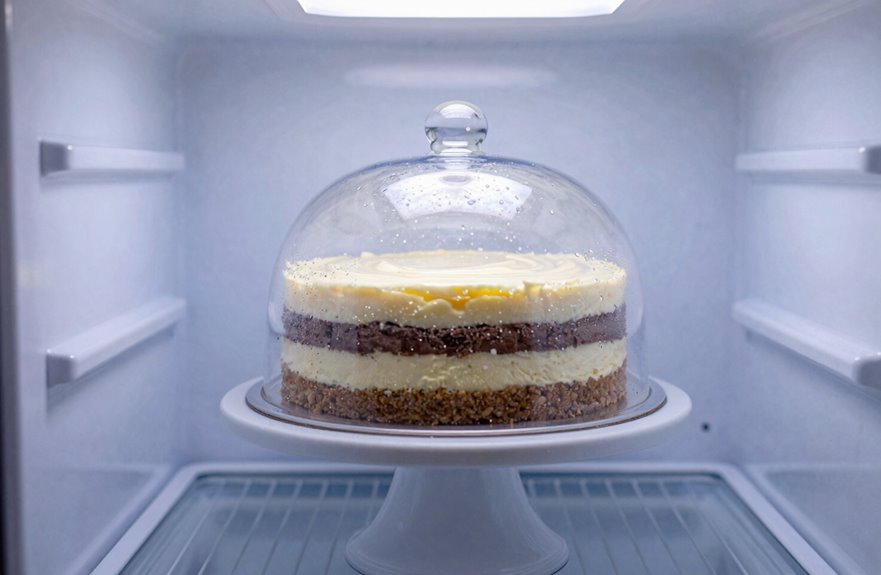
So how long does an ice cream cake actually need to sit out before you can cut it? I’ve found that 10 to 20 minutes works perfectly, long enough to soften and short enough to keep its shape.
What I’ve learned from serving countless ice cream cakes:
- Let it thaw just until your knife glides through cleanly, no more
- Dip your knife in hot water between slices for those picture-perfect cuts
- Serve immediately after slicing, since melted spots won’t refreeze well
I always set a timer because I’ve definitely gotten distracted and come back to a soupy mess. Your guests will appreciate a properly chilled slice, and the timing prevents waste. The 10 to 20-minute window exists for a reason, and now you know it.

PRESS'N SEAL PLASTIC FOOD WRAP: With a quick press of a finger, Glad Press'n Seal Food Wrap keeps food fresh with a leak proof, air tight seal

Help Protects Your Food: The wrap keeps your food protected while letting you see exactly what you’ve stored at a glance.