
I hate to break it to you, but you can’t actually unbake a cake. Once that batter hits the heat, it’s game over. The eggs coagulate, the starches gelatinize, and those chemical bonds lock in permanently, much like how you can’t un-fry an egg or un-toast bread. I’ve definitely stared at a dry, overbaked layer wishing I could rewind time, maybe pop it in the freezer or run the oven backwards. Spoiler: neither works. The proteins tangle up, the air pockets collapse, and that golden crust stays put no matter what you try. Your best bet is usually a simple syrup soak, maybe trimming the edges, or starting fresh with a new batch. There are actually some clever ways to rescue what you’ve got, and a few tricks that might save your next bake from disaster.
Can You Actually Unbake a Cake? (Short Answer: No)
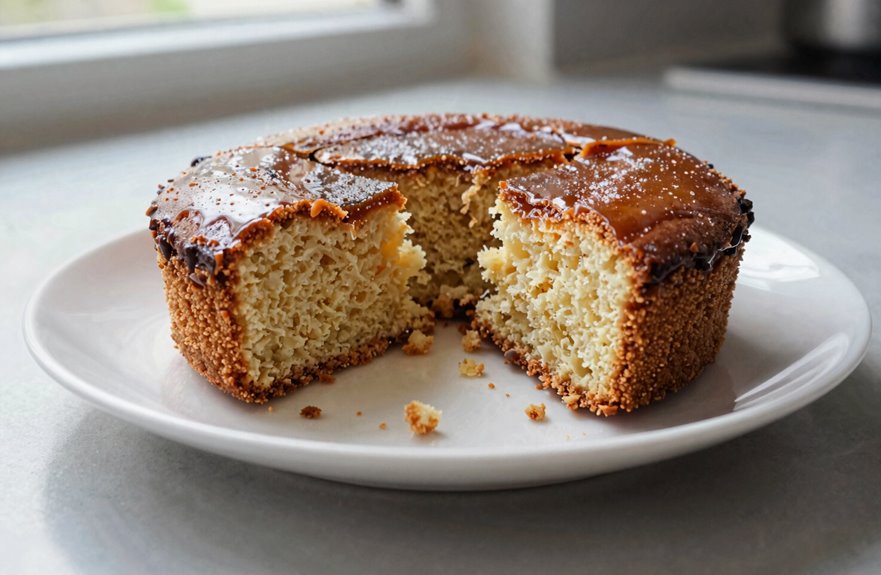
The short answer? No, you can’t unbake a cake. I’ve tried to imagine it, and maybe you’ve stared at a dry sponge and wished for a do-over too, but once those ingredients hit the heat, there’s no going back.
Here’s what happens: the proteins set, the starches gel, and chemical bonds lock into place. It’s permanent, like trying to un-toast bread or un-fry an egg. Some folks joke about “negative baking temperatures” or running your oven backwards, but that’s just coping with kitchen mistakes together.
The community wisdom is clear. When someone asks how to unbake, experienced bakers gently steer them toward starting fresh. We all want the magic undo button, but sometimes the practical truth is grabbing new flour and trying again.

Even & Full Cake Moistening:Our cake moistening bottle features dense, precision spray holes for uniform syrup distribution. No more patchy or dry cakes, perfect for simple syrup, honey, rum, or flavored soaking liquid

USE: The soaking tube is ideal for moistening the sponge of your cakes evenly and without excess, as it has small evenly distributed holes creating a shower-like pattern when moistening the cake.

Even & Full Cake Moistening: Our cake moistening bottle features dense, precision spray holes for uniform syrup distribution. No more patchy or dry cakes, perfect for simple syrup, honey, rum, or flavored soaking liquid
Common Cake Mistakes and Whether They’re Fixable
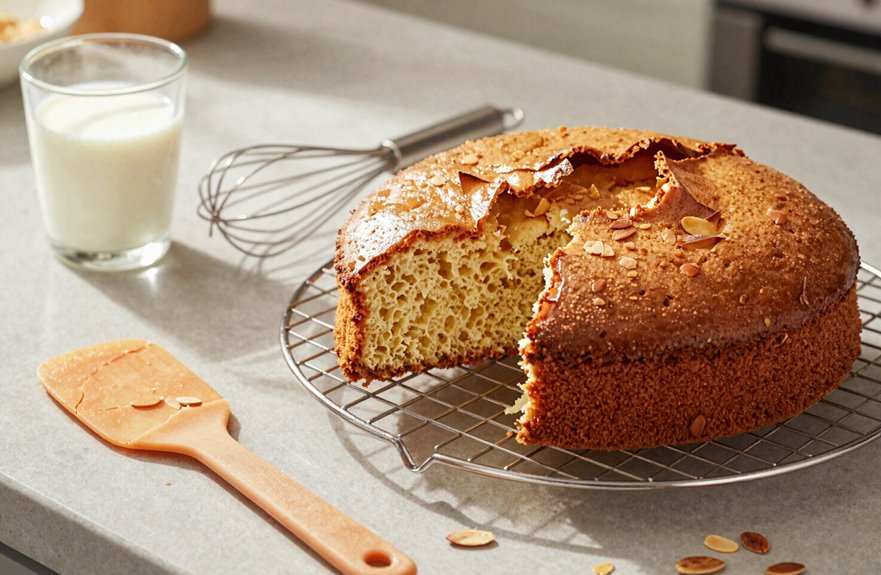
I’ve definitely pulled a cake from the oven, sliced in, and found dry crumbs or dense, gummy layers staring back at me. It’s disappointing, but not always a total loss. While we can’t truly “unbake” what’s already set, several tricks exist for fixing dry texture, salvaging dense layers, and rescuing those overbaked edges that get a little too crispy. The following covers what’s actually worth trying and when you’re better off starting fresh with a new batch.

Insert thermometer into center of cake for 5 seconds, the tip turns red when cake is perfectly baked

Cake Tester Stick: Our baking cake tester is ideal for helping gauge when your cakes or cupcakes are ready to come out of the oven

Fast and Accurate Reading: Kitchen thermometer for cooking features a 1 second readout speed and high accuracy of +/-0.9 degrees Fahrenheit, ensuring you receive the most delicious results every time
Fixing Dry Cake Texture
A dry cake can feel like a personal betrayal, especially when you’ve spent an hour mixing, pouring, and peeking through the oven window every five minutes. Overbaking is usually the culprit, with that extra two minutes turning your tender crumb into dry, dense cake.
The fix is to brush your layers with simple syrup, about two tablespoons per layer, letting it soak overnight if possible. The crumb absorbs moisture, softening from the inside out. For pound cakes, this works particularly well, though the surface might retain some firmness.
For your next bake, pull your cake five minutes early and test with a toothpick. Checking early prevents the drying that occurs with extended baking time.
Salvaging Dense Cake Layers
Dense cake layers behave differently than dry ones. They’re heavy and require more than just frosting to salvage. I’ve stared at enough dense cakes to know that unbaking them back to batter isn’t possible, but we can fix this.
First, check if it’s underbaked inside. If it’s firm but raw, cover it with parchment and bake low, around 300°F, until the center finishes cooking. For overmixed disasters, trim the crust, torte into thin sheets, and soak with simple syrup, about two tablespoons per layer. Sometimes the most practical move is baking a fresh layer and swapping it in.
| What Went Wrong | How We Save It |
|---|---|
| Overmixed batter | Torte thin, add syrup |
| Too much leavening | Level, stack with buttercream |
| Underbaked center | Parchment wrap, low bake |
| High moisture ingredients | Crumb coat, chill firm |
| Gluten overdeveloped | New layer, start fresh |
Rescuing Overbaked Edges
Why do edges always seem to betray us first. I’ve baked countless cakes where the center stayed perfect while the outer ring turned dry and crumbly, almost crumbling at the touch. It’s frustrating, but we’re not stuck with it.
I trim those hard edges first. Sometimes I snack on them warm. Then I wrap the cake tightly, letting it rest, or brush simple syrup across the surface to bring moisture back. For future bakes, I’ve learned to drop my oven by 25–50°F and extend the time; slower heat means gentler edges.
If the whole cake’s dry, I layer on ganache or fruit compote. We can’t unbake what’s done, but we can absolutely make it delicious anyway. Every baker has encountered this problem.
Why Unbaking Is Impossible: The Science of Heat and Chemistry
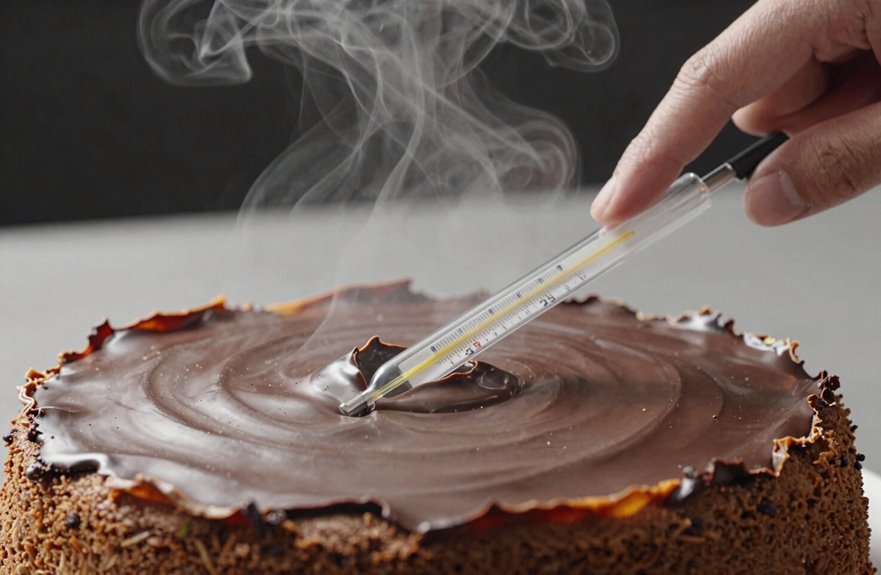
I’ve tried to “unbake” a cake before, and once heat hits 300°F or so, your eggs and proteins start changing shape permanently, like when you fry an egg and can’t unfry it. Those starches gelatinize, the Maillard reaction kicks in (that’s the browning), and suddenly you’ve got chemical bonds that physics simply won’t let you undo, no matter how much you wish you could reverse the baking process. I learned this after overbaking my sister’s birthday cake. I thought maybe I could cool it down quickly and fix the dryness, but the moisture was gone, the structure was set, and I ended up starting from scratch with two new cups of flour and significantly more humility.

Cake Tester to check cakes for doneness

Ideal Bakery Tools: Our cake tester, used for checking baking doneness, is made from tough 304 stainless steel for durability

【Premium Material】Made from good quality stainless steel, this cake baking tester is sturdy and built to last. The smooth, polished surface ensures easy insertion into baked goods without sticking, and it wipes clean effortlessly after use. Reusable and reliable, it replaces disposable wooden picks for eco-friendly baking. Ideal for testing cakes, breads, cupcakes, and brownies, this stainless steel tester delivers consistent results every time.
Heat Irreversibility Explained
When I first burned a batch of cookies and tried to “fix” them by sticking them back in the fridge, I learned something important the hard way: heat doesn’t work like a rewind button. We’ve all been there, right. That moment when you wish you could just undo what’s done.
Once heat hits your batter, you’re triggering a cascade of changes you can’t walk back. Proteins coagulate, starches gelatinize, moisture escapes. It’s not just physical; it’s chemical, and that irreversibility is fundamental to the process. You can’t un-scramble an egg, and you can’t un-bake a cake. Thermodynamics backs this up too. Entropy increases, energy disperses, and the arrow of time points one way. We’re all learning this together, one failed kitchen experiment at a time.
Chemical Transformations Permanent
The heat irreversibility I mentioned is baked right into the chemistry, quite literally. When I slide a cake into the oven, I’m triggering transformations that can’t walk themselves back. Proteins in my eggs unwind and tangle together, starches swell and glue themselves into structure, sugars caramelize into complex webs of flavor. These are irreversible changes; molecular commitments, not temporary arrangements.
| What Happens | What I Get | Why It Stays |
|---|---|---|
| Eggs coagulate | Solid crumb structure | Proteins won’t un-tangle |
| Starches gelatinize | Moist, tender texture | Swollen granules don’t shrink back |
| Glutens network | Chewy, elastic bite | Bonds tighten permanently |
| Sugars brown | Deep flavor, golden color | Caramelization is one-way |
Even cooling won’t undo this. The transformation is permanent.
Ingredients Cannot Separate
How do you unmix something that’s become one thing? I’ve stared at a slice of cake wondering this, and it’s a bit heartbreaking. Once that batter hits the oven, we’re not just talking about a temporary change. We’re witnessing a full commitment. The proteins in my eggs have coagulated, locked into place like friends who’ve promised to stick together forever. The starches gelatinized, the fats emulsified, and that water became steam, then vanished into the crumb. Even if I wanted to perform some magical bake reversal, I can’t rebuild those broken bonds. The impossibility isn’t lazy science; it’s fundamental chemistry. We’re all chasing that “undo” button sometimes, but some transformations, once made, cannot be reversed through any known process.
How Eggs, Flour, and Heat Transform Permanently
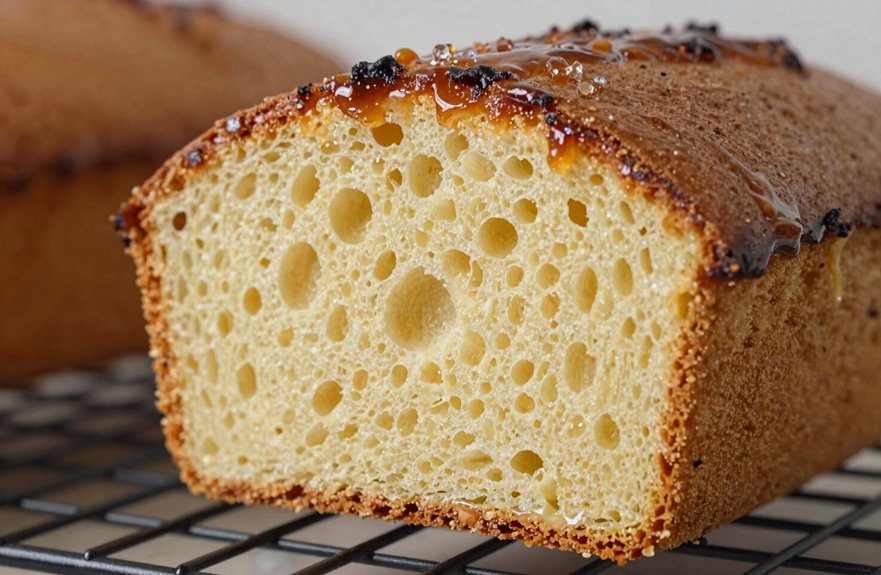
Envision this: I’m staring at a finished vanilla sponge I’ve just pulled from my 350°F oven, and I’m wondering whether I could somehow reverse this process. The eggs in my batter started this whole irreversible transformation. What actually happened in there:
- Eggs coagulated, turning from slippery liquid to firm protein scaffolding
- Starches gelatinized, swelling up like tiny sponges and locking into place
- Proteins denatured, unraveling and bonding into a brand new structure
- Water, air, and fat settled, distributing permanently throughout the crumb
No amount of cooling, freezing, or reverse-oven magic undoes this. The transformation is baked in, literally. We’re not talking about a phase change, like ice melting. We’re talking about chemical bonds that would require time travel to break.

COMPREHENSIVE 30-PIECE SET:This set includes 2 sets of food-grade cookie paint brushes, fan brushes for large coverage and precision brushes in various lengths and thicknesses, nice for intricate designs. Ideal for cookies, cakes, pastries, and more

Reliable Material : The soft, synthetic bristles is approved to be food grade material, ensuring your family completely safe.

Efficient Cake Decorating Brushes: Spiral design with fine nylon bristles for 360 degree no dead angle cleaning, functions as pip cleaners to remove cream and stains from cake decorating tips effortlessly
How to Rescue a Ruined Cake (Without Unbaking It)
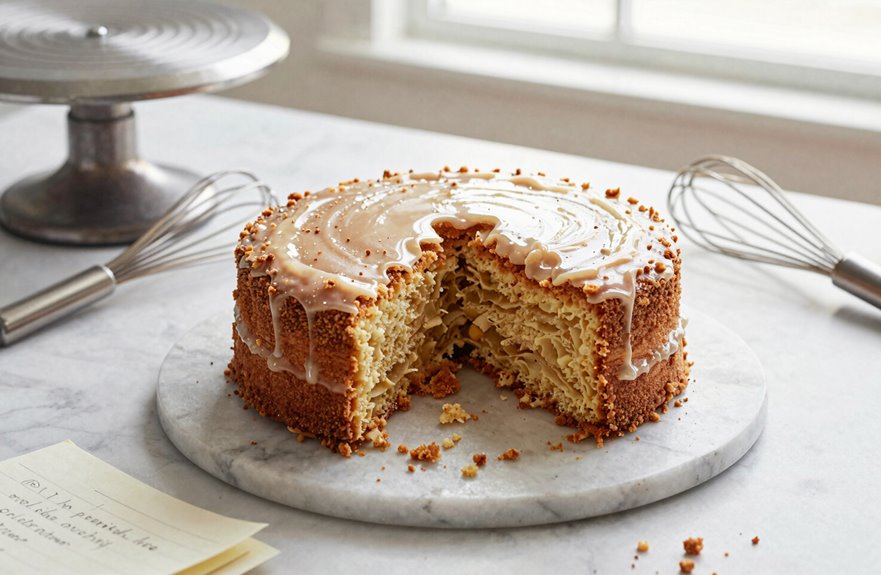
So your cake’s a disaster. Now what? We’ve all stared at something sunken, dry, or disappointing. Once those eggs set and proteins bind, there’s no going back.
Instead, transform your mistakes. Over-baked? Brush slices with simple syrup, about two tablespoons per layer, then pile on ganache or buttercream. Dry edges become toasted crumbs for topping ice cream. A totally collapsed cake? Crumble it into parfait glasses with whipped cream and berries.
The unbake dream stays in our heads, but real kitchen magic happens when we transform, not undo. Your ruined cake still belongs in the celebration. Just dress it differently.

📏 PERFECT METAL DESIGN: With this durable stainless steel cake smoother, you can precisely level and smooth your cake batter to achieve a professional finish.

Package Included: You will get 1 piece cake edge decoration tool, the cake cutter scraper measures approx. 21.8 x 7.62cm/8.6 x 3inch, common size for most cakes, takes no time to smooth the cake for attractive and delicate appearance.

Prevent domed tops, cracked surfaces, and crusty edges, ensuring moist, level cakes with no trimming required.
How to Add a Missing Ingredient to a Baked Cake
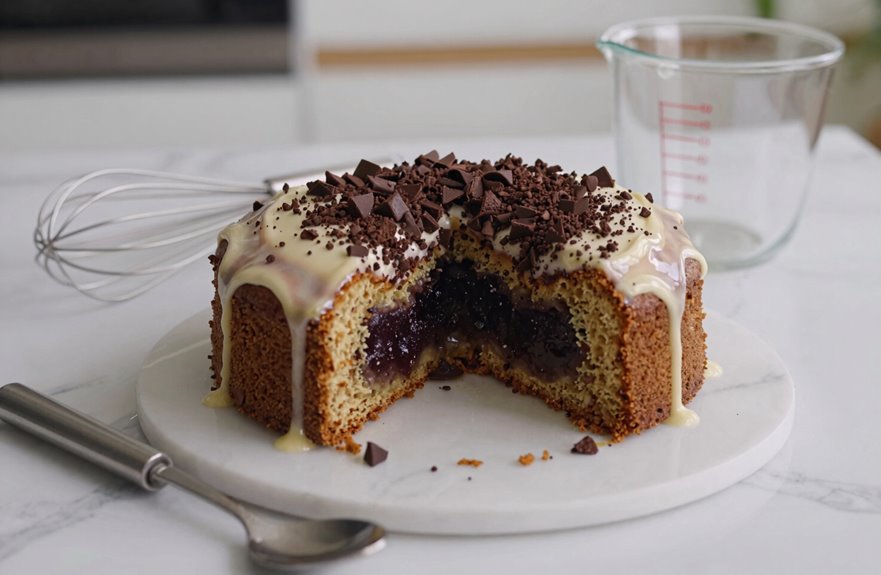
You can’t really unbake a cake once it’s set, since the chemistry’s already locked in. Timing matters significantly in baking; add that egg or baking powder even a minute too late, and you’re basically out of luck. Starting fresh with a new batch beats any unusual trick you might try, and the second cake will rise properly as a result.

Package Includes: This set includes 2 simple syrup dispenser, each measuring 6.57 x 2.05 inches. These versatile containers are perfect for storing various condiments and syrups, making them an essential addition to your kitchen
Even & Full Cake Moistening:Our cake moistening bottle features dense, precision spray holes for uniform syrup distribution. No more patchy or dry cakes, perfect for simple syrup, honey, rum, or flavored soaking liquid

The Impossibility Problem
Although I’ve definitely stood in front of my oven, cake already rising, and thought *wait, did I forget the baking powder?*, the hard truth is that once that batter hits heat, there’s no going back. Baking reversibility sounds dreamy, but it’s science fiction in my kitchen.
Here’s what actually happens when you try to “unbake”:
- The golden crust, that perfect crackly surface, stays stubbornly solid
- Air pockets, trapped by heat, collapse into sad, dense pockets
- Proteins, once tangled by temperature, refuse to untangle
- Starches, gelled and set, won’t return to their powdery past
I’ve laughed with friends about freezing cakes backward or microwaving them into batter. It’s funny because we’ve all been there, panicking. But missing that egg means starting fresh. We learn together, flour on our sleeves.
Ingredient Timing Matters
Missing an ingredient before you bake is one thing, but realizing it after? I’ve been there, staring at a cake that’s already in the oven because I forgot the egg.
Timing matters significantly. Once heat hits that batter, everything changes. Gluten develops, starches swell, and leavening starts working. You can’t crack an egg into a half-baked cake and expect it to incorporate properly.
I’ve tried it. The results are dense spots, uneven rises, and dry crumb. Some folks say you can salvage it with perfect temperature control and precise timing. However, you’re working against chemical reactions that can’t be reversed.
Starting fresh produces better texture outcomes than attempting to salvage a partially baked cake.
Starting Fresh Instead
So what do you actually do when your cake’s already baked and that egg’s still sitting on the counter? You can’t really unbake it. Chemically speaking, that egg white’s permanently set now. We’re starting fresh instead, and that works better than you’d think.
Here’s my kitchen table approach:
- Pitch the sad cake (compost, if you’ve got it).
- Whisk a fresh batter, egg finally included.
- Bake small, mini layers, about twenty minutes at 350°F.
- Layer them up, old cake tucked between new sponge.
Or skip the drama entirely: whip that egg into a thin genoise, slice your original cake horizontally, and sandwich them together. It becomes intentional, not broken. We’re bakers, not time travelers. Starting over is just another recipe.
When to Bake a New Cake Instead of Fixing the Old One
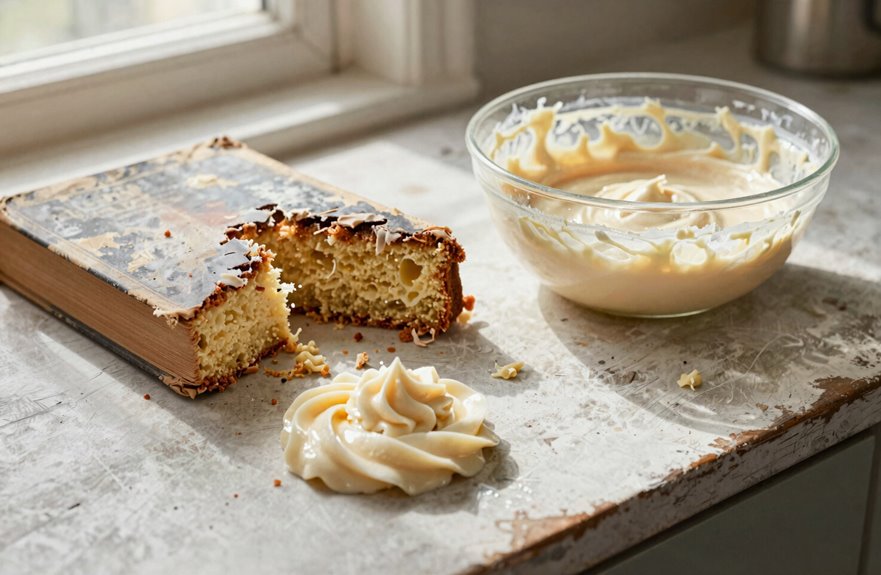
Why would I even try to unbake something that’s already gone through that magical, irreversible transformation? At some point, I just have to accept that baking’s irreversible nature means starting over.
| What I Feel | When I Know It’s Time |
|---|---|
| Disappointment | The middle’s raw and sunken |
| A little frustrated, but okay | I’ve already tried patching it twice |
| Relief | The flavor’s just gone weird |
| Proud of myself | I grab fresh ingredients |
Starting fresh feels like admitting defeat, but it isn’t. It’s me choosing to share something worth eating with people I care about. When proteins have set and starches gelled, there’s no going back. I’ve learned that sometimes the bravest kitchen move is pouring that new batter and letting the oven work its magic again.

【CHECK BAKING DONENESS】 Insert the slim probe into the center of a cake, cupcake, muffin, brownie, or bread loaf, then pull it out and inspect the surface. Wet batter usually means more baking time is needed; a clean probe or a few moist crumbs may indicate doneness depending on the recipe.

Size: Full length: 34 cm / 13.4 inch, length of needle: 13 cm / 5.1inch
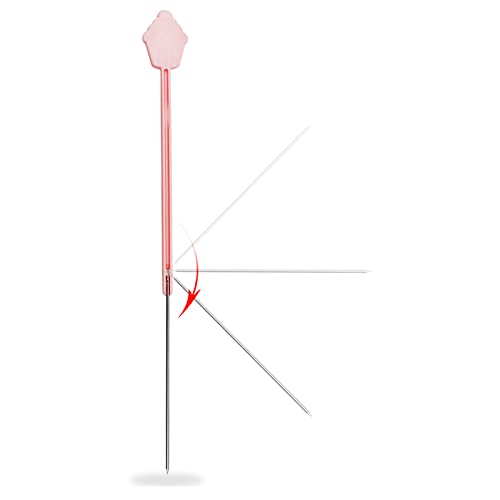
[Perfect Baking Helper] Help you gauge if your cake is ready easily. Just insert the needle into the middle of the cake and pull out, see whether there is residue on the needle, if clean, the cake is ready.
How to Prevent Baking Mistakes Before They Happen
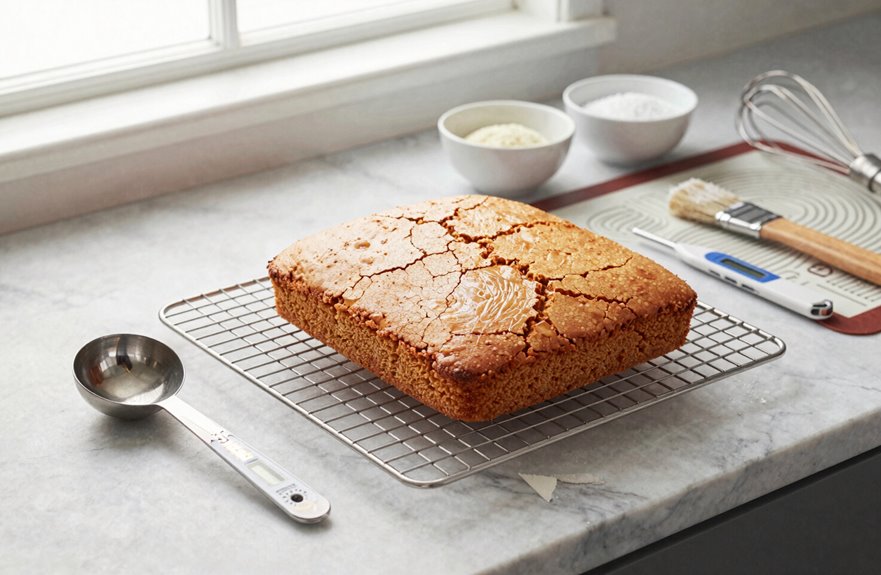
I’d rather not find myself staring at another sunken cake, wondering where it all went wrong. We’ve all been there, right? That communal sigh when we peek through the oven door and something’s already off.
Prevention beats disaster every time. I start by creaming butter and sugar properly, without rushing, because that’s where the magic happens. Here’s how I keep things smooth:
Prevention beats disaster every time—cream butter and sugar slowly, without rushing, because that’s where the magic happens.
- Scoop flour precisely, leveling it like I’m painting a straight line on canvas.
- Let cold eggs warm on the counter, softening like morning sunlight through a window.
- Double-check my oven’s temperature control, that faithful dial that guards my results.
- Watch batter closely, folding gently until it looks like silky ribbons falling.
I read recipes completely before flour dusts my counter. This eliminates surprises and prevents panic.

CHECK DONENESS WITH LESS GUESSWORK – Insert a cake tester into the center of your bake, remove it, and inspect the slim needle to decide whether the middle needs more oven time.
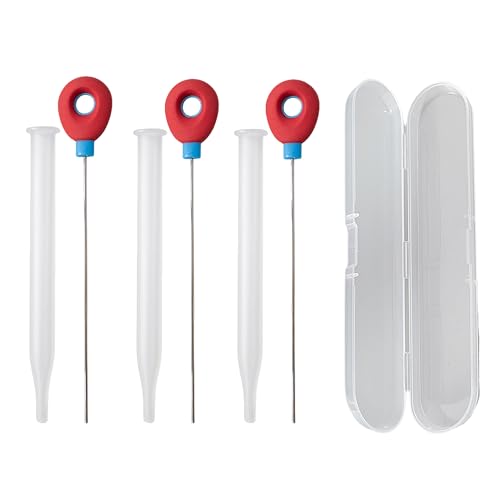
【Check Cake Doneness with Confidence】Easily test whether cakes, cupcakes, bread or brownies are fully baked. Simply insert the tester into the center—clean removal indicates doneness, helping prevent under- or over-baking.

Package Contents: You will receive 6 pieces of cake testing tools featuring 6 different cute cupcake tops. Easily check whether cakes, cupcakes, muffins, or breads are fully baked. Sufficient quantity for you to use or replace.
Essential Tools for Avoiding Cake Disasters
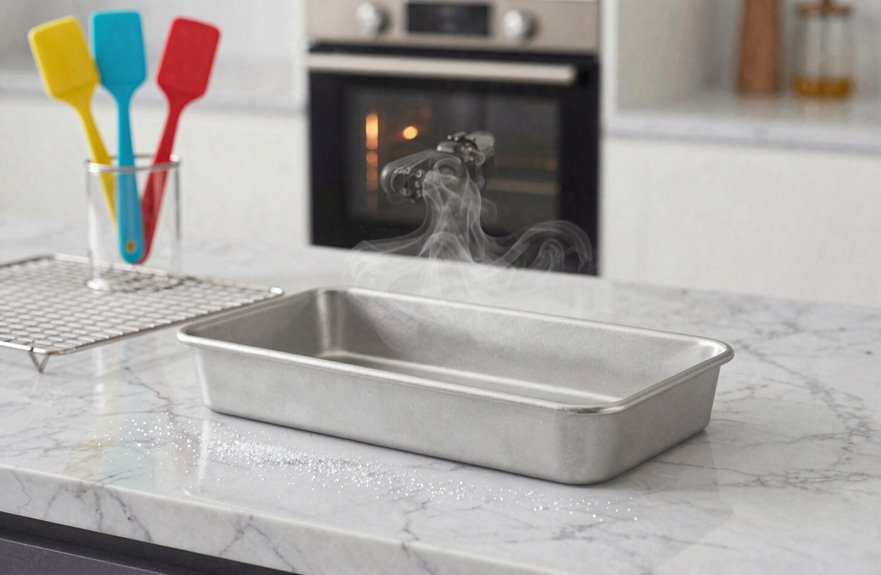
When I finally invested in a digital scale after my third dense, gummy failure, everything changed. No more guessing if my “cup” of flour matched the recipe writer’s. I learned that oven temperature matters just as much, so I grabbed a cheap oven thermometer too. Turns out, my dial ran 25 degrees hot, which explained a lot of burnt edges. I also rely on my rubber spatula for scraping every bit of batter, and a timer because I’ve definitely forgotten a cake while scrolling. Quality pans, parchment rounds, and a cooling rack are essential. These tools won’t make me a professional baker, but they give me the confidence to work in the kitchen.

Premium quality material: These oil and butter brushes are made from natural boar bristles, which are softer and softer than synthetics, and unlike other pastry brushes, the bristles would not break or fall off in the food.

Thanks to this Ateco 1661 decorating tip cleaning brush, cleaning icing and piping gel out of small and large pastry tubes has never been easier

This set Includes: 30 food brushes, fan brushes for large areas of color, and fine brushes of various lengths and thicknesses, making it easy to draw complex patterns
Your Next Steps After a Baking Mistake
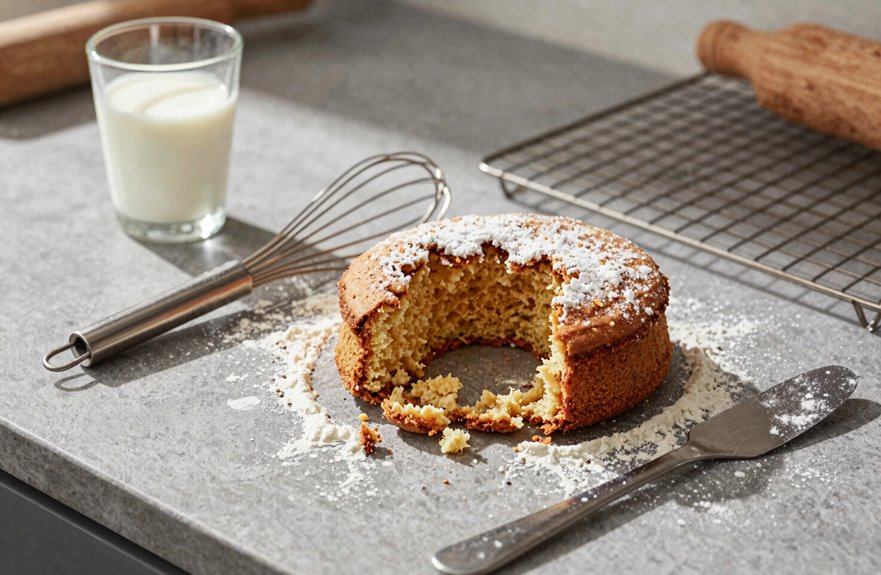
How do you move forward when your cake’s already a lost cause? I’ve been there, staring at a sunken sponge, wondering if I could somehow unbake my way back to batter. You can’t unbake what’s done. The heat’s done its work, proteins set, chemistry happened. Instead of fighting physics, I embrace the reset.
When things go sideways, use this checklist:
- Look at the crumb, really look; is it gummy, dry, or just sad?
- Grab a fresh bowl without shame and start clean
- Add that missing egg I forgot (yes, I’ve done that)
- Set the timer two minutes earlier this time
We’re in this together, imperfect bakes and all.

Adjustable Height Up To 12 Inches: This cake smoother for icing features an adjustable height, allowing you to frost and shape cakes up to 12 inches high, making it a versatile tool in your frost form cake kit for creating sharp edges on round or square cakes

adjustable scraper for spreading frosting on cakes Creates clean sharp edges

Package included: 1 x 12 inch cake scraper smoother with scales in INCH & CM. Length: 12"/30.5cm, width: 3.54"/9cm, scraper length: 7.87"/20cm, width: 1.34"/3.4cm