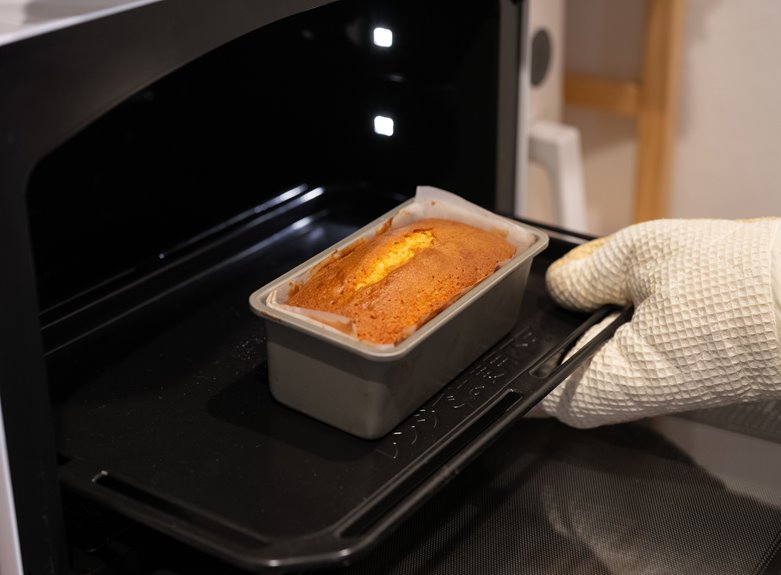
I’ve rescued more undercooked cakes than I can count. First, pop that cake back into a preheated oven at the same temperature for five to ten minutes and test the center with a toothpick. You’re looking for clean with a few moist crumbs, not wet batter. If the top’s already golden, loosely tent it with foil or drop the heat by 25 degrees so it doesn’t burn while the middle catches up. For metal pans, swap to glass or ceramic if you’re finishing in the microwave with thirty to sixty second bursts on medium power and a damp paper towel on top. Sometimes the center stays gooey no matter what. That’s how cake pops were actually invented in my kitchen. There’s always a fix, even when it doesn’t go exactly by the book, and I’ve got plenty more tricks up my sleeve for whatever your cake throws at you.
Is It Too Late to Fix Your Undercooked Cake?
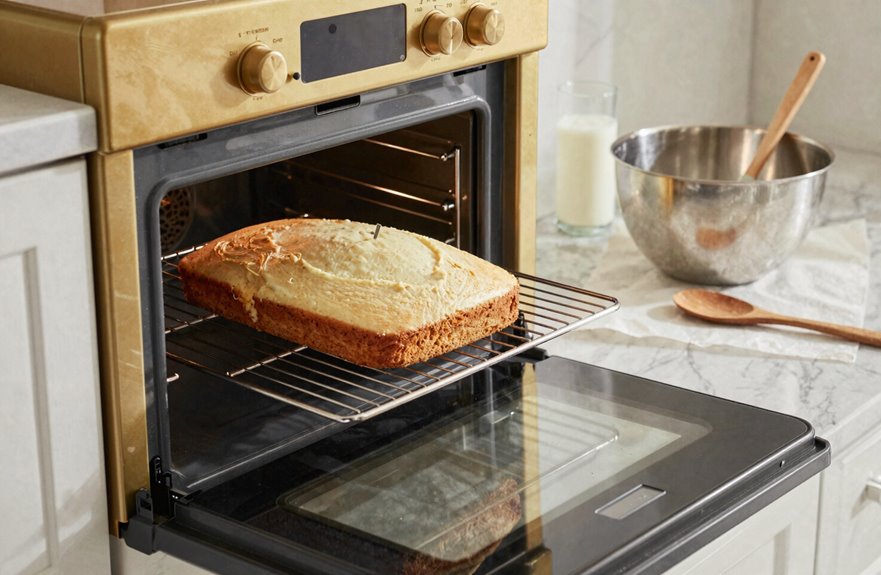
How often have I pulled a cake from the oven, proud as can be, only to find the center still jiggling like a pudding. We’ve all been there, haven’t we. If your cake’s still warm, you’re in luck. I can pop that undercooked beauty back in and save it, no problem. But wait too long, let it cool completely. That’s when trouble hits. The inside gets stubborn, dense, and trying to finish baking later just dries the outside to crumbs while the middle stays gooey. So I check quickly: warm surface, wet toothpick. I’ve got maybe a window. My trick involves lower heat, about 150°C, with foil on top if the edges brown too fast. If rebaking won’t work, consider cake pops instead.

Insert thermometer into center of cake for 5 seconds, the tip turns red when cake is perfectly baked
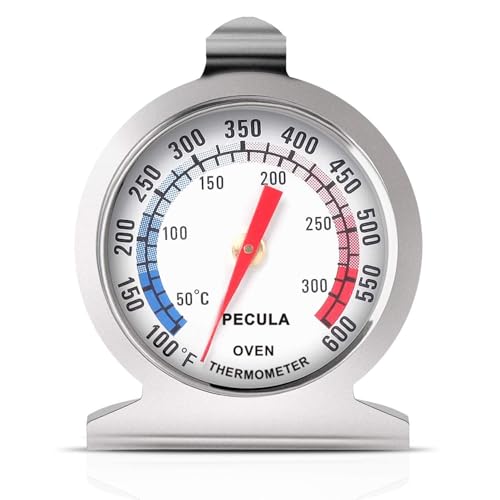
Clear Dial Display: PECULA's analog oven thermometer delivers precise, instant readings from 50–300°C / 100–600°F. Its dial features clear dual-zone blue and red indicators for at-a-glance temperature monitoring—perfect for ovens, grills, smokers, and deep fryers, ensuring you master every bake, roast, or fry.

Oven and grill safe for leave-in use while cooking
How to Rebake an Undercooked Cake: Step-by-Step
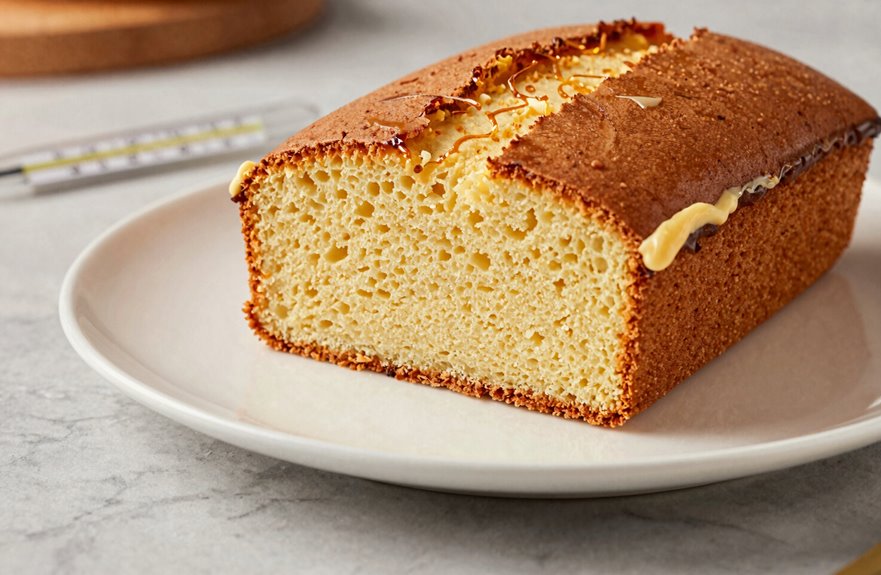
Why let a good cake go to waste when you can fix it right now. I’ll walk you through saving your undercooked cake.
| Step | What I Do |
|---|---|
| 1. Check and return | I slide that undercooked cake back into the preheated oven at the same temperature and set my timer for 5 to 10 minutes. Patience is essential. |
| 2. Test and repeat | I grab a toothpick, poke the center, and check. Clean? The cake is done. Wet? Back it goes for another round. |
| 3. Fix or repurpose | Still stubborn? I cool it fully, then transform those spots into cake pops or trifle layers. There are other options available. |
If I’m finishing in the microwave, swap metal pans for glass or ceramic first. This prevents sparks and crumbling. Your cake remains salvageable.
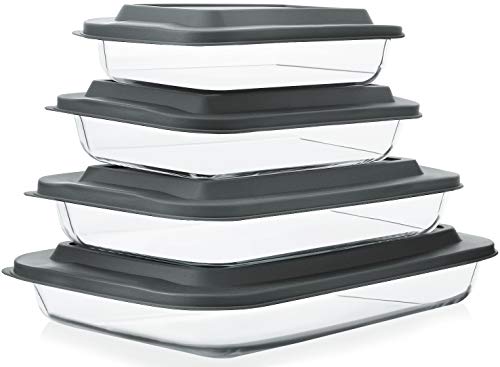
PREMIUM LARGE BAKING PAN SET: Our baking dishes are made of borosilicate glass, can be used in microwave, oven, freezer and dishwasher

6-PIECE BAKEWARE SET: 6-piece set of 3 oven-safe glass baking dishes and 3 lids for making casseroles, desserts, stews, and more

SET INCLUDES: 7.5- x 6-inch rectangular baking dish, 9-inch oval baking dish, 9- x 9-inch square baking dish with lid
What to Do If the Top Browns Too Fast
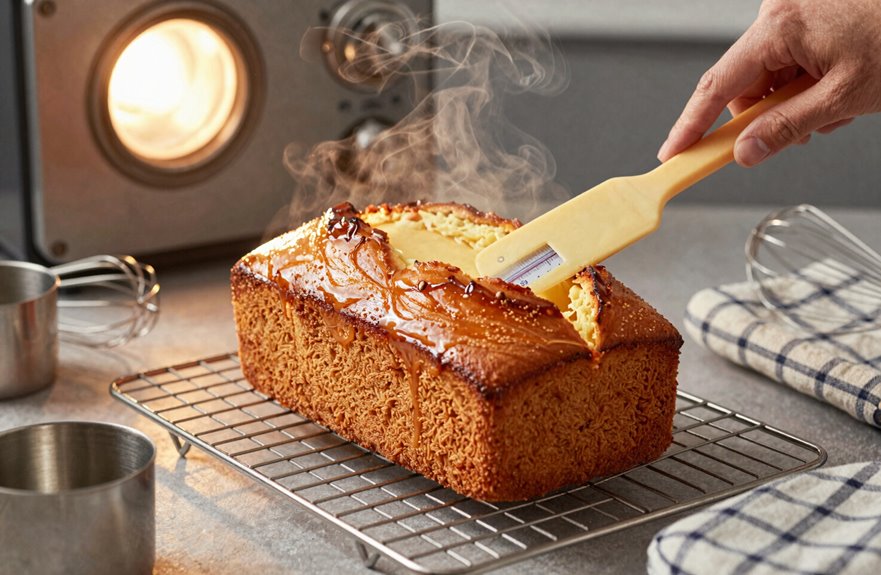
I’ve definitely panicked when my cake’s top turned golden way before the middle was ready. First, loosely tent the cake with foil by draping it on top with no sealing needed to shield that browning surface while the inside catches up. Drop your oven temperature by 25°F, or even 50°F if the cake is baking much faster than expected. Pull the rack down lower, away from that top heat, and check every five minutes with a toothpick right in the center. Slightly underdone cake is preferable to dry and cracked cake.

Exquisite Cake Protection Decoration: this wedding cake canopy serves as both a reliable protective cover and a romantic decoration for your wedding venue; It provides a dreamy display space for your precious wedding cake, effectively highlighting the cake's beauty while adding a strong sense of ceremony to your big day with its elegant appearance
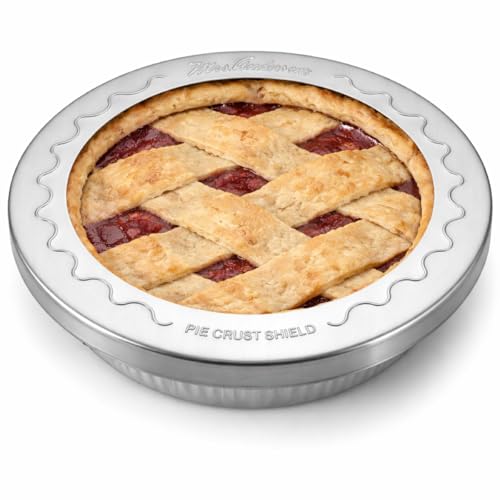
Mrs. Anderson’s Baking Pie Crust Protector Shield: covers exposed crust edges during oven baking to help prevent burnt edges and over-browning

HEAT RETAINING & FRESHNESS LOCKING: These reusable aluminum foil food covers feature excellent sealing performance and are easy to use. They can withstand temperatures up to 210°F and deliver reliable insulation to keep meals warm and fresh, locking in the original flavor of your dishes.
Foil Tent Method
So what do you do when your cake looks like a tiny golden dome but still wobbles like Jell-O in the middle. I’ve been there, staring through the oven window, panicking. Grab aluminum foil and shape it loosely over the pan, like a camping tent rather than a tight wrap, then slide it back in. The foil reflects heat away from the browning top while the center catches up. Check every 5–7 minutes. Use a thermometer to aim for 200–205°F in the center. If the top’s still darkening but the middle’s done, pull the foil off. Still gooey inside. The tent stays. Even if your first attempt looks a little lopsided, that’s normal.
Lower Oven Temperature
Sometimes that foil tent isn’t quite enough. I’ve been there, watching that golden top turn threateningly dark while the middle stays stubbornly gooey. When this happens, I lower my oven temperature by about 25°F (that’s roughly 14°C) and keep baking. This gentler heat lets the center catch up without torching the crust.
My dial lies. I grab my oven thermometer now because most home ovens run hot, which tricks us into premature browning. Once I’ve dropped the temperature, I check my cake every 5–10 minutes with a toothpick. No guessing games. Moving to the center rack or switching to a light-colored pan helps too. We’re all figuring this out together, one slightly imperfect cake at a time.
Check Doneness Frequently
When my top browns too fast, I tent it with foil (like a little hat) and drop the temp 25–50°F. Then I keep testing every 5–10 minutes.
Here’s my go-to rhythm:
| Problem | My Fix | How Often I Check |
|---|---|---|
| Top getting dark | Foil tent, lower rack | Every 5 minutes |
| Uneven heat | Rotate the pan | Every 10 minutes |
| Center still wet | Toothpick test, keep baking | Every 5–10 minutes |
| Edges done, middle gooey | Lower temp more | Every 10–15 minutes |
| Almost there | Test center only | Every 5 minutes |
The toothpick test is my truth-teller. Clean with moist crumbs means you’re done. Wet batter means back it goes. Always test the middle, since edges finish cooking first and don’t indicate the actual doneness of the cake.
How to Fix an Undercooked Cake in the Microwave
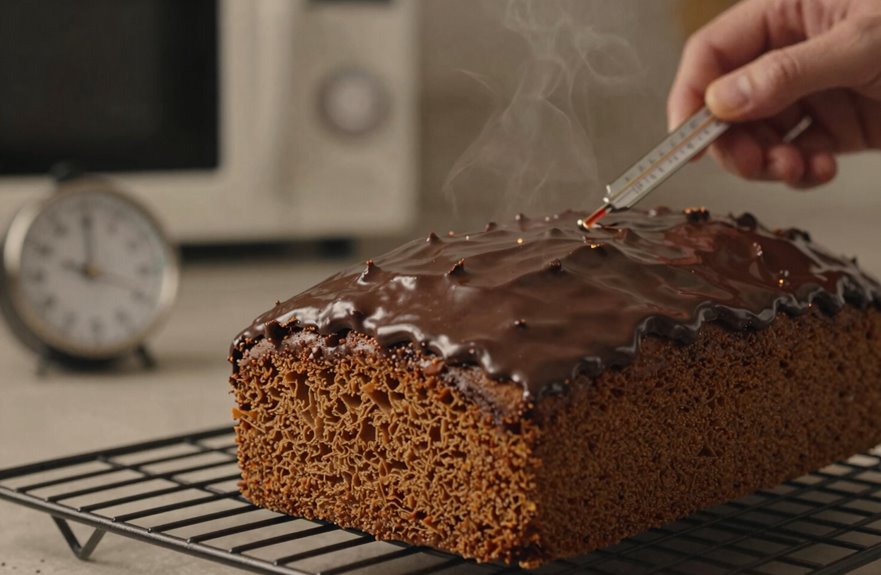
I know that sinking feeling when you cut into a cake and find a gooey center. You can save the dessert with a microwave trick. Start with the right dish, since metal pans won’t work in a microwave. Then use quick bursts of heat with careful checking. If the microwave doesn’t work, you have backup plans that will still get you to dessert without starting over.

Cake Tester to check cakes for doneness

Ideal Bakery Tools: Our cake tester, used for checking baking doneness, is made from tough 304 stainless steel for durability

Cake Tester Stick: Our baking cake tester is ideal for helping gauge when your cakes or cupcakes are ready to come out of the oven
Microwave-Safe Dish Selection
Why risk ruining your cake with the wrong dish when a quick swap can save the day. You need a proper microwave-safe dish; glass or Pyrex works perfectly, because metal pans spark and nobody wants a fireworks show in their kitchen.
Here’s what I always do:
- Transfer your undercooked cake from that metal pan into a microwave-safe dish first
- Cover it loosely with a vented lid or plastic wrap so moisture stays trapped
- Check the dish label if you’re unsure; better safe than sorry
Once you’ve got the right container, you’re already halfway to saving that cake. Your kitchen, your rules, but this step is essential.
Timing and Power
The microwave can rescue a soggy center if you treat it right. Patience is essential here. Set your microwave to medium power, not full blast. Heat in short bursts of just 30 to 60 seconds at a time, checking after each one. Overheating will turn cake into rubber. If the center is still gooey, rotate the dish halfway through, since microwaves have hot spots. Loosely cover the dish with a damp paper towel to retain moisture and prevent a dry top. Once your toothpick comes out clean from the center, let it rest 2 to 3 minutes. The residual heat finishes the cooking process and helps salvage baking mishaps.
Alternative Salvage Options
If your cake’s still raw in the middle and you don’t want to wait for the oven, metal pans won’t work. They’ll spark. Use glass or Pyrex instead.
Microwave rescue method:
- Scoop that gooey center into a microwave-safe dish, then blast it in 15–30 second bursts. Check, repeat, check again.
- Cover loosely with a microwave-safe plate; steam keeps edges soft while the middle catches up.
- For crumbly disasters, try 20–60 second bursts, then crumble and splash with milk or simple syrup. This creates cake truffles.
Stop when a toothpick shows moist crumbs. Overdrying the cake produces a rubbery texture worth avoiding.
How to Salvage an Undercooked Cake That’s Already Cooled
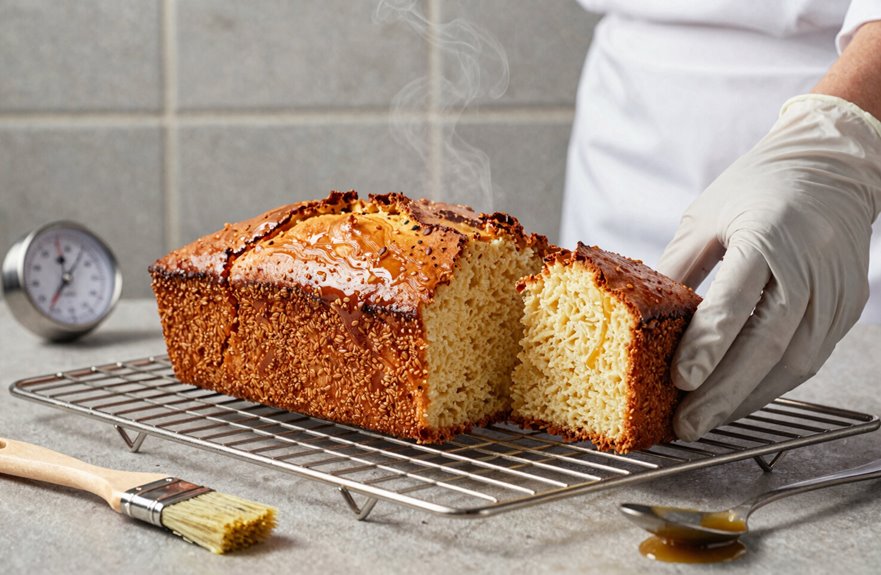
So you’ve pulled your cake from the oven, let it cool, sliced in, and found a gooey, underbaked center. Your cake isn’t a total loss.
Rebaking a cooled cake whole isn’t recommended; you’ll likely dry the outside before the inside catches up. Instead, slice it into thinner pieces and pop them in a low oven, around 150°C/300°F, for 10–15 minutes, checking often. If the top browns too fast, cover it with foil. Burning the outside defeats the purpose.
Repurposing often works better. Crumble that underdone middle into cake pops, layer it in a trifle, or mash it into a crust. Sometimes salvage beats stubbornness, and nobody minds surprise dessert cups.

FARBERWARE STRONG: This baking pan's heavy-duty construction resists warping and heats evenly to brown beautifully and help reduce hot spots

SAFER AND HEALTHIER: NUTRIUPS glass baking dish with Subtle Bottom Ripples, 100% borosilicate glass bottom ripples come from careful cooling tech—they ensure safety, and non-porous performance with no odor, stain or impurity absorption. Great for prep, cooking, serving and storing !
Easy and Fun Cake Removal – Releasing cake from a pan shouldn’t be frustrating. Make it easy with these nonstick cake pans! Designed with a built-in swivel blade, our easy-release cake pans let you remove your perfectly shaped cakes with ease.
How to Tell If Your Cake Is Underbaked or Just Moist
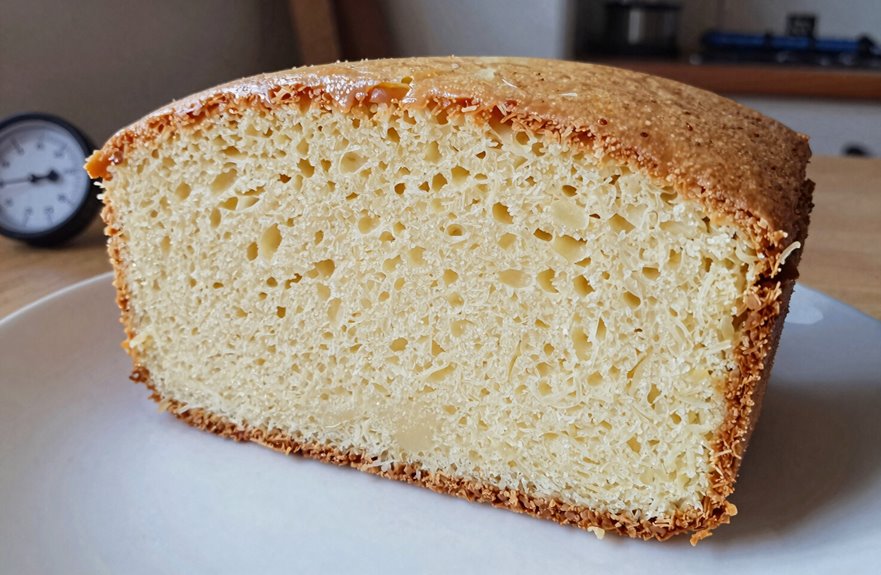
How do I know if I’ve nailed it or if I’m fooling myself? I’ve been there, staring at my cake, wondering if it’s perfectly moist or secretly raw in the middle.
Staring at my cake, wondering if it’s perfectly moist or secretly raw in the middle.
- The press test – I gently poke the center. If it sinks and stays sunk, like a sad pillow, it’s underbaked. A moist cake springs back, ready for more.
- The toothpick test – I slide one into the middle. Wet batter or clumps of crumbs clinging on means the cake is underbaked, not just tender.
- The edge check – I look for gaps between the cake and pan sides. If the edges pulled away but the middle’s still jiggly, the cake is underbaked.
Cross-checking these cues matters because even dense, moist interiors can hide underbaking if you rely on only one test.

Fast and Accurate Reading: Kitchen thermometer for cooking features a 1 second readout speed and high accuracy of +/-0.9 degrees Fahrenheit, ensuring you receive the most delicious results every time

EASY READING: you can see the actual temperature that your oven is registering with the digital LCD display, then make adjustments to ensure that you cook or roast at the proper temperature.

【8X Faster + 4X More Precise】: Upgraded with an industrial-leading professional thermocouple sensor, Themomonster meat thermometer digital with NIST certified ±0.5℉ precision provides you the accurate temperature of your food in just 0.5 Seconds.
Why Your Cake Came Out Undercooked (Common Causes)
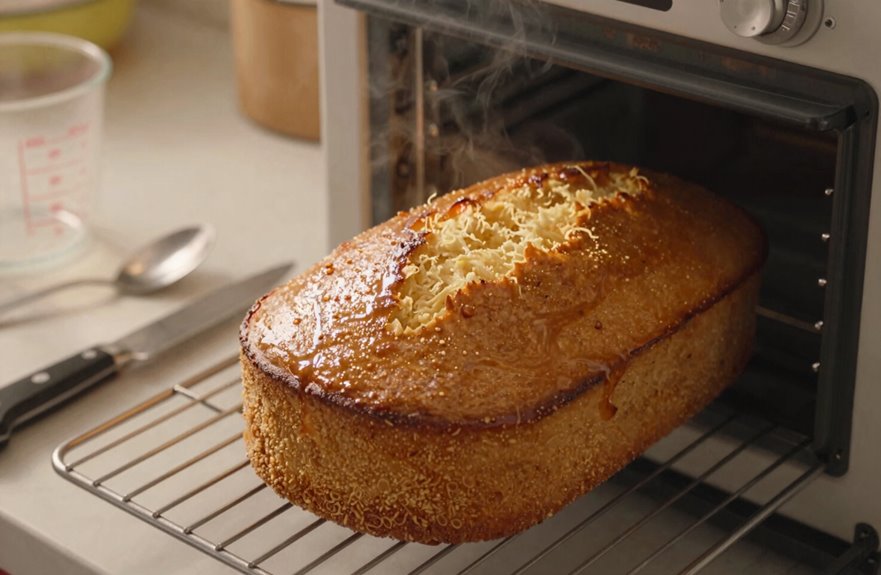
Why does a cake flop in the middle even when I’ve followed the recipe to the letter. I’ve been there, staring through the oven window, convinced I’d done everything right.
Your oven might be lying to you. Mine runs 25 degrees hot, which I didn’t discover until I bought a cheap thermometer. Hotspots are sneaky culprits; they brown the edges while the center stays gooey. Opening the door every few minutes to check progress lets heat escape and stalls baking.
At high elevations, cakes need adjustments that many bakers don’t initially consider. Runny batter or the wrong pan, metal versus glass, creates uneven heat distribution. Using just baking powder or forgetting it entirely leaves you with dense, undercooked results. Leavening agents directly affect how thoroughly your cake bakes through.

EXCELLENT MATERIAL - This clear small square dish is made of high-quality borosilicate glass, which features high transparency, heat resistance, and corrosion resistance. It has a long service life and is easy to clean and maintain. Dishwasher Safe.

【Package】Each set contains 2 muffin pans. Each muffin pan measures 11.3" x 7" x 1.6", providing ample space for your favorite muffin recipes. This 6-cavity muffin pan features an extended side design for easy handling.

Perfect Size for Individual: AVLA 4 pack ceramic small casserole dish with the dimension of: 7" in diameter (without handle ) x 1.7" in height, capacity: approx 20 oz ( Limit Capacity ). This baking tray set is suitable for pizza, bread, lasagna, spaghetti, chicken, meat, beef, roasting, vegetables, storing and reheating leftovers and etc.
How to Prevent Underbaked Cakes Every Time
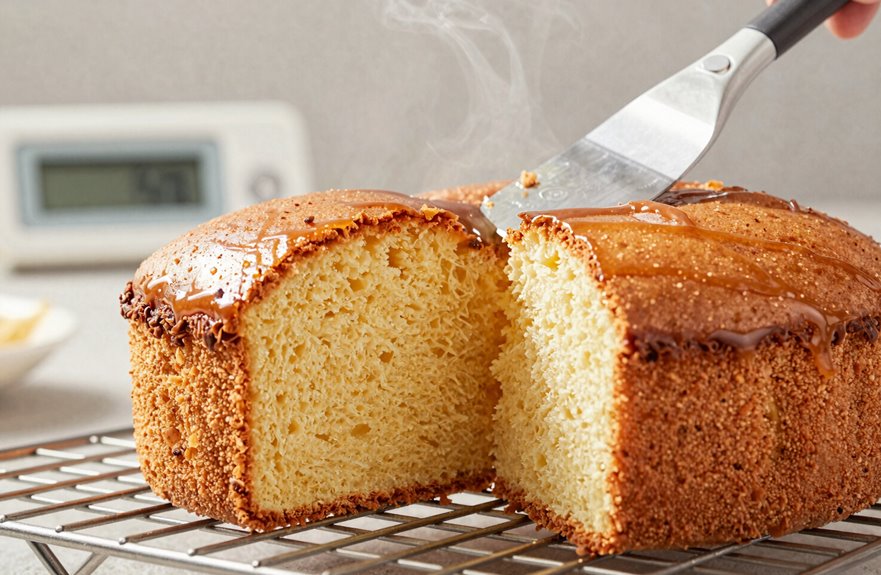
I learned the hard way that fixing an undercooked cake is a rescue mission I’d rather skip. Now I bake smarter, and you can too. Here’s how to nail it every time:
- Trust your thermometer – Always verify your oven’s actually hot enough with a calibrated one. Guessing leads to gooey centers.
- Pick the right pan – Heavy, darker pans distribute heat evenly, so no more raw middles hiding under golden tops.
- Test twice, bake once – Slide a toothpick into the center, looking for a few crumbs (not wet batter), and press gently. It should spring back.
Avoid peeking constantly. That temperature drop sabotages your bake. If the crust races ahead, lower the heat slightly and extend time in short bursts.

Heat Retention Performance: These aluminum foil covers help maintain food temperature during storage and serving; The reusable design provides consistent heat preservation for various meal types; Suitable for keeping dishes warm during family dinners or outdoor activities

Locks in Heat and Freshness: This reusable aluminum foil food cover locks in heat to keep meals hot and fresh longer. Perfect for preserving dish taste and quality at home or during gatherings.

【Heat Retaining Food Protection】Designed to help retain warmth while shielding food from dust and debris. Simply stretch the elastic edge over bowls, plates, or serving trays to keep meals fresher and ready to enjoy for longer at home or gatherings.
Creative Ways to Repurpose Fixed or Failed Cakes
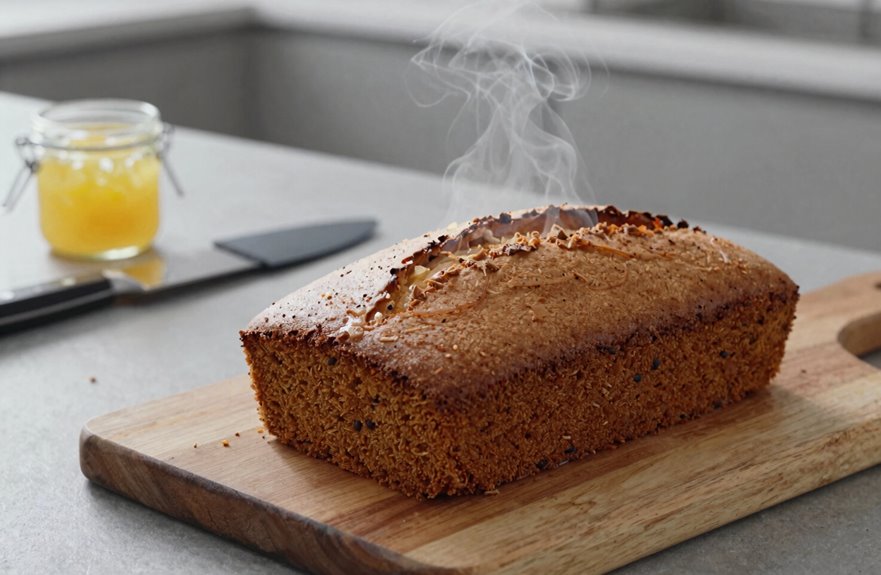
Sometimes the rescue works, sometimes it doesn’t, and that’s okay. We’re in this together.
When my cake stays stubbornly gooey after going back in the oven, I’ve learned to pivot fast. I crumble that salvageable mess, bind it with melted butter or cream cheese, and roll cake pops like nothing ever went wrong. Or I press crumbs mixed with coconut oil into a pan, bake until firm, and suddenly I’ve got a crust that nobody questions.
For spooky season, I blitz failed cake into “dirt” for chocolate pudding cups. I’ve also nuked underbaked bits with chocolate chips in a mug, because gooey comfort serves a purpose. Crumbled over ice cream or stirred into smoothie bowls, yesterday’s flop becomes today’s win. Nobody has to know.

【Premium Material】Made from good quality stainless steel, this cake baking tester is sturdy and built to last. The smooth, polished surface ensures easy insertion into baked goods without sticking, and it wipes clean effortlessly after use. Reusable and reliable, it replaces disposable wooden picks for eco-friendly baking. Ideal for testing cakes, breads, cupcakes, and brownies, this stainless steel tester delivers consistent results every time.

CHECK DONENESS WITH LESS GUESSWORK – Insert a cake tester into the center of your bake, remove it, and inspect the slim needle to decide whether the middle needs more oven time.
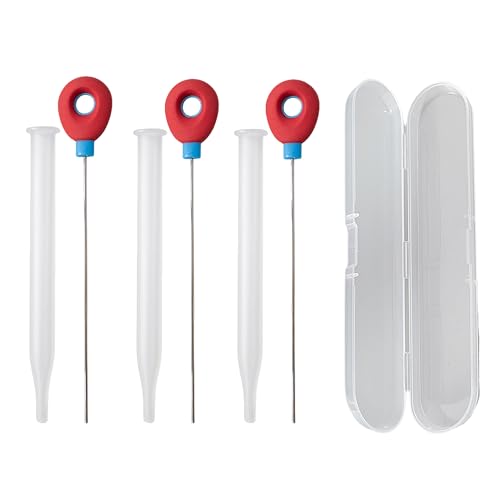
【Check Cake Doneness with Confidence】Easily test whether cakes, cupcakes, bread or brownies are fully baked. Simply insert the tester into the center—clean removal indicates doneness, helping prevent under- or over-baking.