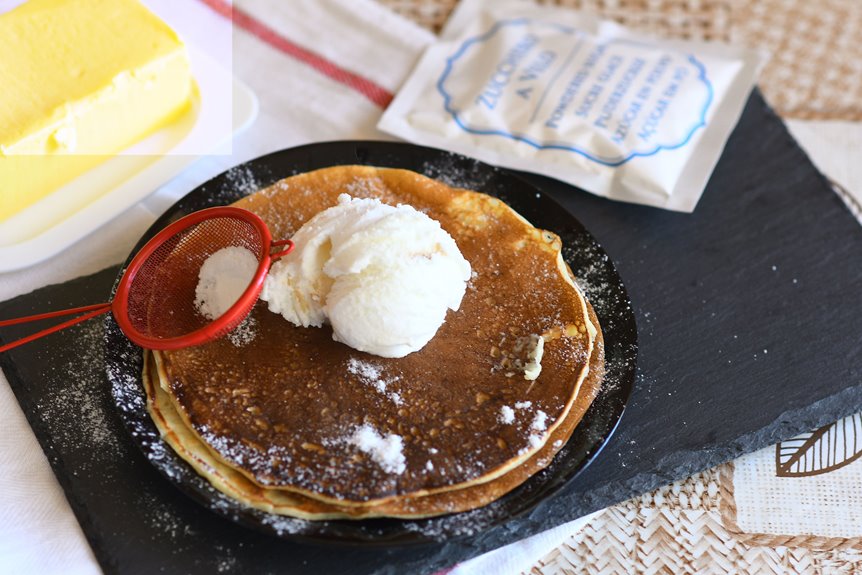
I swap regular flour for cake flour when I want pancakes that practically float off the plate. It’s my preferred method for achieving that delicate, cloud-like texture. First, I’ll mix 2 tablespoons cornstarch into 1 cup all-purpose if I’m out of the real deal, then whisk my dry ingredients separately from the wet (milk, eggs, melted butter, a splash of vanilla), combining them gently with a few lumps left intentionally. I always rest the batter about 10 minutes. This hydrates the starches, which results in fluffier pancakes, and cook on medium heat, flipping when edges turn matte and bubbles form. The lower protein in cake flour means less gluten, so your stack stays tender instead of chewy. This one swap fixes nearly every pancake problem I’ve encountered. Additional techniques exist, especially if you want to troubleshoot or prep ahead.
The Cake Flour Pancake Recipe
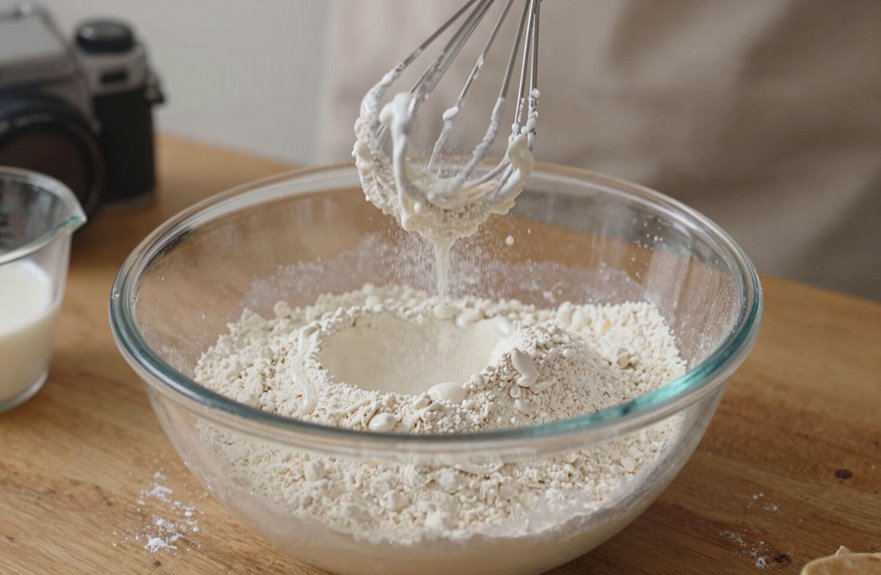
Why do some pancakes feel heavy as a brick while others practically float off the plate? The answer starts with cake flour.
Whisk together the dry ingredients first: cake flour, leavening, and a pinch of salt. The lower protein content in cake flour creates a cloud-like texture. Then mix the wet ingredients separately: milk, eggs, melted butter, and vanilla. Combine them gently. Those little lumps in the batter are desirable and should not be overmixed.
Resting batter for ten minutes allows the flour to hydrate fully, producing that tender crumb. Cook on medium heat and flip when bubbles form at the edges. This method produces consistently light, fluffy pancakes.

Milled from the finest American wheat, our flour contains no bleach, no bromate and no artificial preservatives of any kind. We also test bake our flour to ensure it meets our strict standards- the strictest in the industry
Six 5 lb Family Size bags of Krusteaz Light and Fluffy Buttermilk Pancake Mix
How to Make Cake Flour at Home
What if I told you that light, fluffy pancakes don’t require a special trip to the store? This simple flour substitution is an effective kitchen technique.
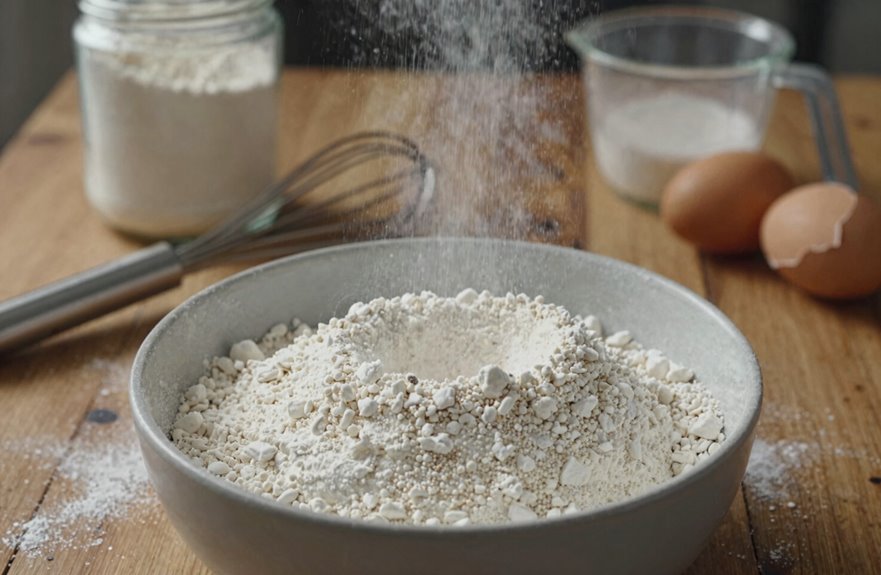
Here’s my go-to method for homemade cake flour: for every cup of all-purpose flour, I remove 2 tablespoons and replace them with cornstarch. So, if I’m making a big batch—say, 4 cups—I swap out 8 tablespoons (that’s ½ cup) of flour for cornstarch. I whisk it together, then sift everything twice. Sifting ensures that cornstarch spreads evenly so your batter stays smooth.
This low protein blend mimics store-bought cake flour perfectly, giving you tender, fluffy pancakes without the extra expense. You’re working with pantry staples here, nothing fancy. The method produces pancakes with superior texture and tenderness.

This 12 oz protein pancake mix makes nineteen 4" pancakes and includes directions to make 6, 12, or 19 pancakes

Low Carb Delight: Only 2 grams of net carbs per serving, making this keto pancake mix perfect for those following a low carb or ketogenic diet - enjoy fluffy pancakes without compromising your nutritional goals

Receive 1 box of Simple Mills Just Add Water Almond Flour Protein Pancake Mix. This pancake mix brings a good source of protein from purposeful ingredients, without the taste compromise, in one simple step - just add water!
Why Cake Flour Creates Lighter Pancakes
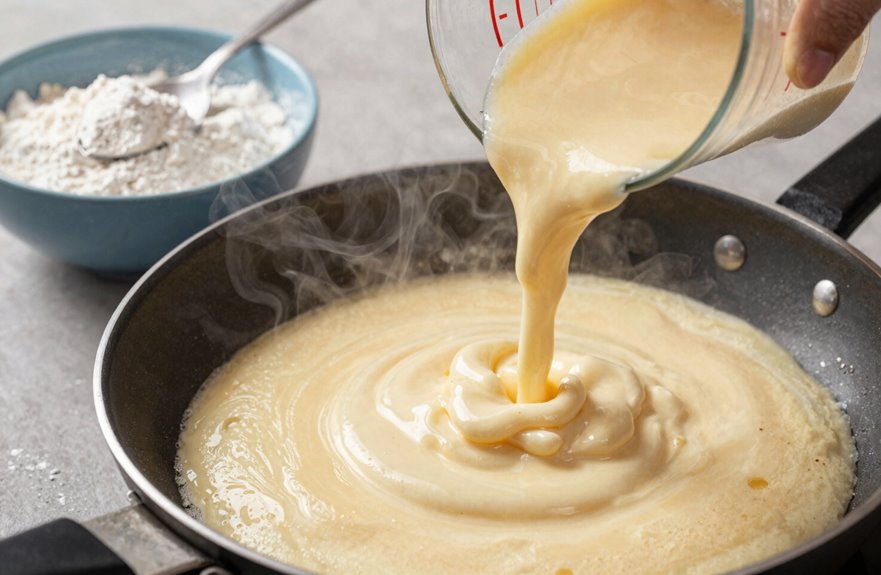
I love understanding the “why” behind baking techniques, because once I understood how cake flour actually works, my pancakes improved significantly. The lower protein content means I mix my batter without worrying so much, since there’s less gluten wanting to toughen things up as I stir. That finer, milder texture in the flour gives me an airy, cloud-like batter that rises taller and feels softer when I dig in.

One 2 pound bag of All Purpose Flour

King Arthur Gluten Free Flour is ideal for all gluten-free recipes, our carefully tested blend of white rice flour, whole grain brown rice flours, tapioca starch, and potato starch yields baked goods with no grittiness or aftertaste

Versatile Baking: Premium organic all purpose flour ideal for bread, pizza dough, cookies, cakes, and more - perfect for all your baking needs from everyday recipes to artisanal creations. This unbleached organic flour delivers consistent results.
Lower Protein Content
A few simple swaps in your flour choice can transform your entire pancake experience. I switched to cake flour last year, and I won’t go back. The lower protein content, about 7-9% versus all-purpose’s 10-12%, means less gluten development, which gives you that tender crumb we all want. Your batter stays relaxed, not tough, and you get fluffy pancakes without that chewy bite.
| Flour Type | Protein Content | Best For |
|---|---|---|
| Cake Flour | 7-9% | Tender, airy pancakes |
| All-Purpose | 10-12% | Denser, chewier results |
| Bread Flour | 12-14% | Avoid for pancakes |
The reduced protein lets your batter rise higher, creating golden, cloud-like stacks. Your weekend mornings will benefit from this upgrade.
Finer Texture Results
Why does the flour itself matter so much when we’re chasing that perfect pancake texture? Cake flour gives you that finer texture because less gluten development means your stacks turn out tender, never tough. The flour’s fine milling lets leavening do its job better, creating those airy pockets we love. No cake flour on hand? A cornstarch substitution of two tablespoons per cup of all-purpose, sifted well, mimics that delicate structure effectively. Together with proper leavening, this combo locks in moisture for a tender crumb that practically melts. Once you taste the difference, you’ll notice the significant improvement over dense pancakes.
Reduced Gluten Formation
How exactly does cake flour work its magic on my morning stack. It all comes down to gluten formation, or rather, the lack of it. I’m talking about that tender crumb we all crave. With cake flour, I get lower protein content right out of the gate. This means less gluten exposure during mixing, which keeps my pancakes feather-soft instead of rubbery. I stir just until combined, no marathon whisking sessions, and the result is a delicate texture that practically melts. The weaker gluten network, thanks to those finer particles, lets my pancakes rise tall without fighting back. The science feels fancy, but the payoff is straightforward: lighter, airier layers every single time.
| What I’m doing | What happens to my batter |
|---|---|
| Choosing cake flour | Lower protein enters the bowl |
| Gentle mixing | Minimal gluten development starts |
| Brief stirring | Strands stay short, weak |
| Patience while cooking | Air bubbles expand freely |
| Flipping at golden edges | Tender crumb reveals itself |
Mix Batter Without Overmixing
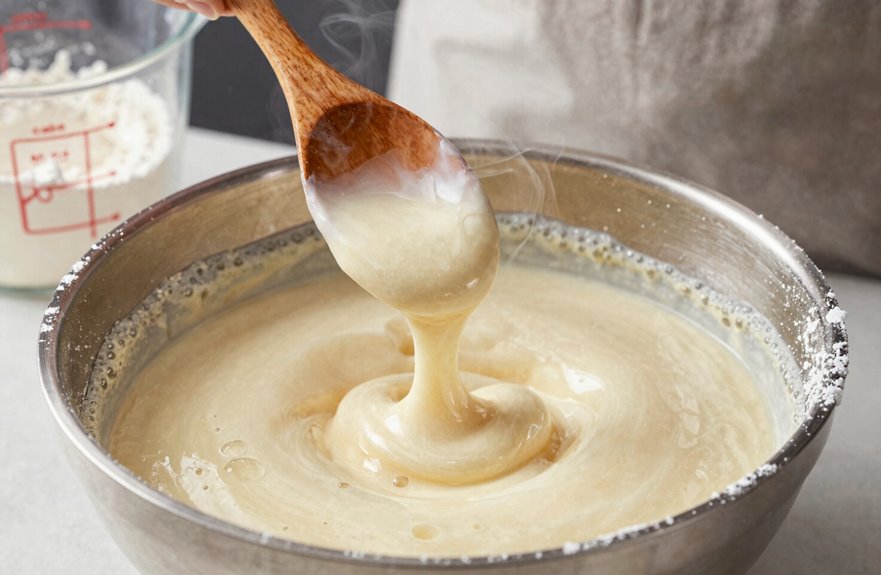
When pancakes turn out like rubbery frisbees instead of fluffy clouds, overmixing is usually the culprit.
When using cake flour, keep your dry ingredients (cake flour, baking powder, salt, sugar) separate at first. Whisk your wet ingredients together, then gently fold them in just until combined. The batter can have lumps; that’s totally fine. Stop right there, because overmixing develops gluten and ruins that tender texture.
Sometimes resting batter for five to fifteen minutes allows everything to hydrate without extra stirring. No pressing, no smoothing, just patience. Pancakes come out lighter this way.
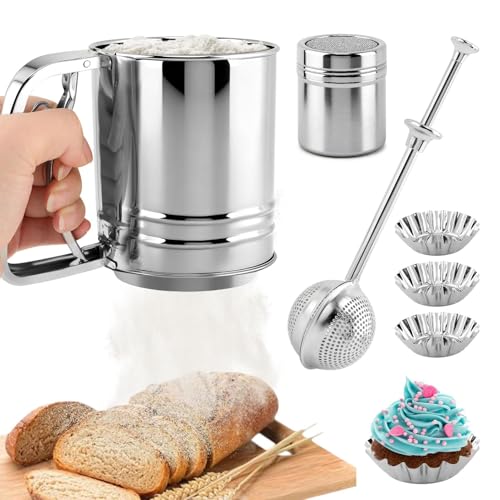
‑ Double‑Layer Fine‑Mesh Sifting Performance: Double‑layer fine mesh efficiently breaks up clumps and aerates dry powders, delivering lump‑free fine powder for smoother baked goods. Works better than common single‑layer sifters for home baking.

Made of food-safe stainless steel, odorless, rust-proof and durable. Fine mesh delivers even powder distribution for baking.

Enriched Flour: Presto flour is perfect for everything from breads and biscuits to batter for frying. Be it dumplings, cookies, muffins, cakes, pancakes or waffles, use it to sate your sweet tooth or savory cravings
When to Flip Cake Flour Pancakes
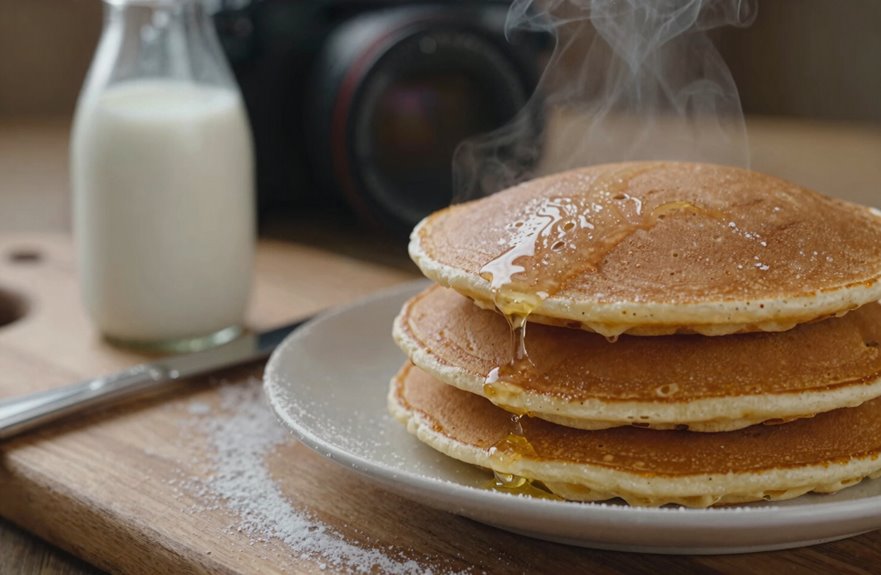
So when exactly do I know it’s time to flip? Patience really pays off with cake flour pancakes, where you’re aiming for that perfect tenderness.
After resting batter for about ten minutes, I heat my pan to medium heat, not too hot and not too low. Then I watch carefully.
Here’s what I look for:
- Tiny bubbles forming in the center, like foam on a calm lake
- Edges turning matte, losing that wet shine
- The pancake lifting slightly, as if it’s taking a breath
- A gentle golden rim creeping around the sides
That’s when you flip. Flip once with confidence and let the other side turn golden. These signs will tell you when your pancake is ready to turn over.

The fastest, easiest way to make smooth batters for pancakes, waffles, crepes, and more. Simply add ingredients, toss in the BlenderBall, and shake; Winner of Good Housekeeping's 2021 Kitchen Gear Awards "Sweet Indulgences" - November 2021

This "The Pancake Master" design celebrates the joy of making pancakes and is ideal for mornings, brunches, or family breakfast gatherings, perfect for anyone who loves kitchen humor and hilarious shirts.

The fastest, easiest way to make smooth batters for pancakes, waffles, crepes, and more. Simply add ingredients, toss in the BlenderBall, and shake; Winner of Good Housekeeping's 2021 Kitchen Gear Awards "Sweet Indulgences" - November 2021
Common Mistakes and Quick Fixes
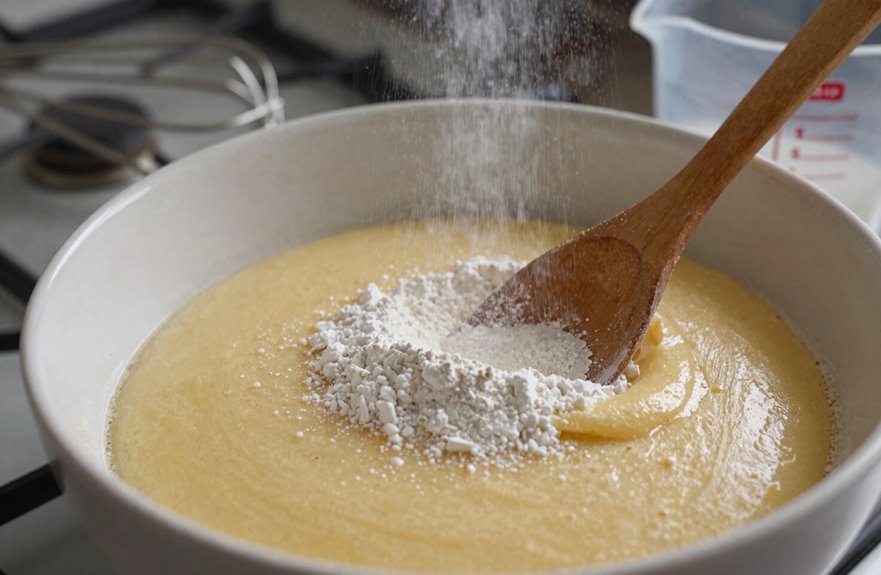
Why do my cake flour pancakes sometimes turn out flat or rubbery when I’m aiming for that cloud-like tenderness? Usually, it’s overmixing, the biggest culprit. Cake flour is delicate, and when I stir too much, I develop gluten that steals that tender, airy crumb I’m after. I leave some lumps now, no shame.
Overmixing cake flour pancakes steals that tender, airy crumb—so I leave some lumps now, no shame.
Another fix? Resting batter for 5–15 minutes. Waiting is worth it because hydration lets the flour fully absorb liquid and the texture settle.
Ran out of cake flour? I’ve used substitutes; swap 2 tablespoons per cup of all-purpose with cornstarch and sift well. Or blend cake flour with whole wheat pastry flour if I’ve got it.
Small tweaks produce noticeable results.
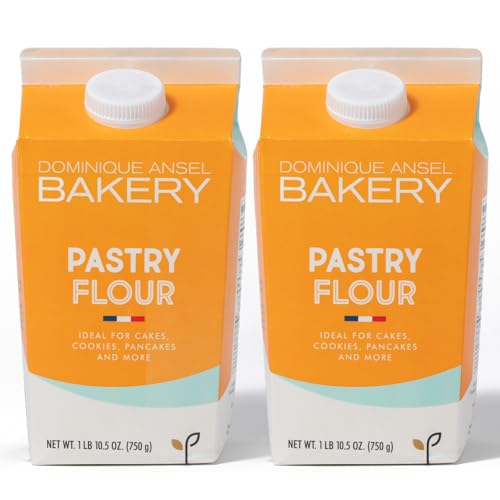
DOMINIQUE ANSEL: Dominique Ansel — the chef behind the Cronut and a James Beard Award winner — partnered with Grands Moulins de Paris to do something they'd never done before: bring their professional flour to home bakers for the first time.

Eight 32 oz boxes of Krusteaz Light and Fluffy Buttermilk Pancake Mix

One 32 oz box of Krusteaz Light and Fluffy Buttermilk Pancake Mix
Whole Wheat and Vegan Variations
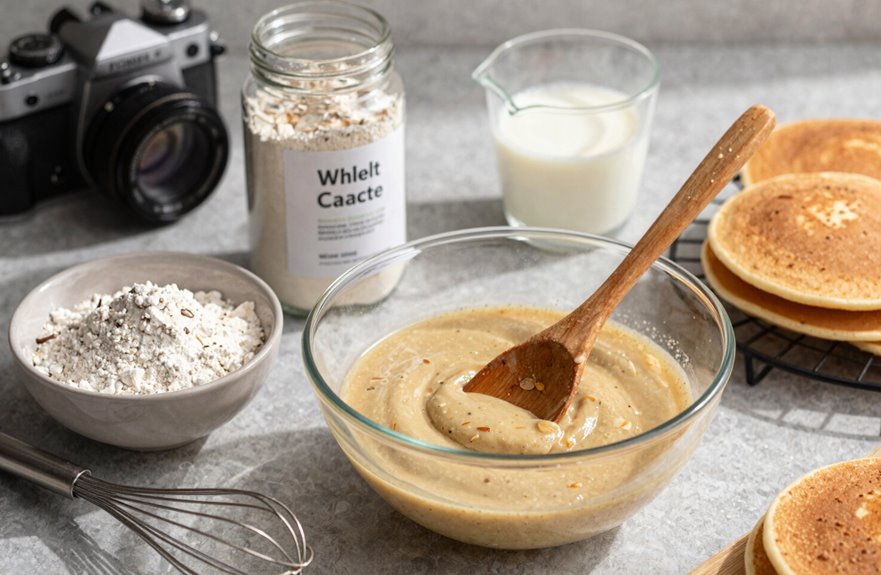
I know some folks want pancakes that feel a little more wholesome. You can swap half the cake flour for whole wheat flour, or grab whole wheat pastry flour if you want something softer. This keeps things tender while adding that nutty fiber that works well on slow Sunday mornings. For vegan pancakes, mix up some vegan buttermilk and grab a flax egg. The cake flour still does its magic so nobody’s eating dense, sad pancakes. They’ll be just as fluffy.
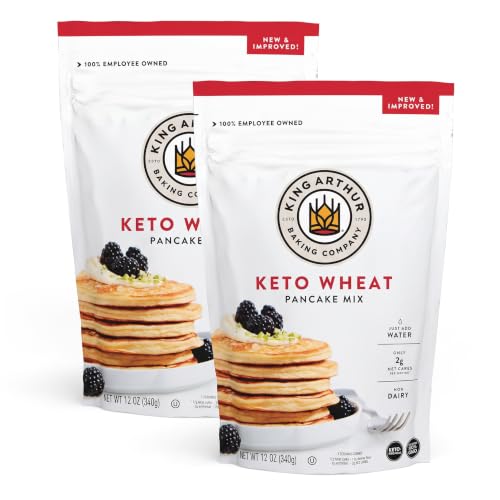

ALL NATURAL INGREDIENTS: Our pancake mix is made with natural ingredients, nothing artificial. Our all natural gluten-free flour blend, used in the pancakes, is packed with buttermilk powder, has no artificial flavors or colors added, and contains ingredients shown to improve digestive health and antioxidants proven to help reduce inflammation and promote improved digestion & gut health. It's perfect for anyone on a gluten free diet or anyone looking for a high-protein breakfast option.

24G PROTEIN PER SERVING - Made with whey protein isolate, egg whites and 6g of collagen, every stack is a complete high protein breakfast, not a snack.
Whole Wheat Options
What if you want those fluffy pancakes but wish they weren’t quite so white?
I swap half my cake flour substitution for whole wheat flour when I’m craving that heartier, nuttier vibe. You still get a lighter texture, but with bonus fiber that keeps me full until lunch. For an even softer crumb, I reach for whole wheat pastry flour. It sneaks in those whole-grain benefits without the cardboard effect.
When I’m mixing, I picture:
- Golden flecks swirling through pale batter like autumn leaves in cream
- Steam rising, carrying that warm, earthy aroma to my nose
- Crispy edges revealing tender, wheat-flecked centers
- Stacked high, ready for maple drizzle
For vegan variations, I tweak my pancake batter adjustment by adding a splash of plant milk since whole wheat soaks up more liquid.
Vegan Substitutions
So you’re skipping the eggs and dairy but still want that cloud-like stack. Vegan substitutions work beautifully.
Swap in a flax egg (one tablespoon ground flaxseed plus three tablespoons water, stirred and chilled for five minutes) and plant-based milk. Oat is my go-to, but almond or soy work too. For vegan buttermilk, curdle one cup plant-based milk with a tablespoon of lemon juice; let it sit until funky, about five minutes. Cake flour keeps things tender, especially when you use half cake flour and half whole wheat for fiber without losing that tender crumb.
Resting batter ten minutes lets everything hydrate. This produces fluffy, inclusive stacks that work for everyone at your table.
Make-Ahead and Storage Tips
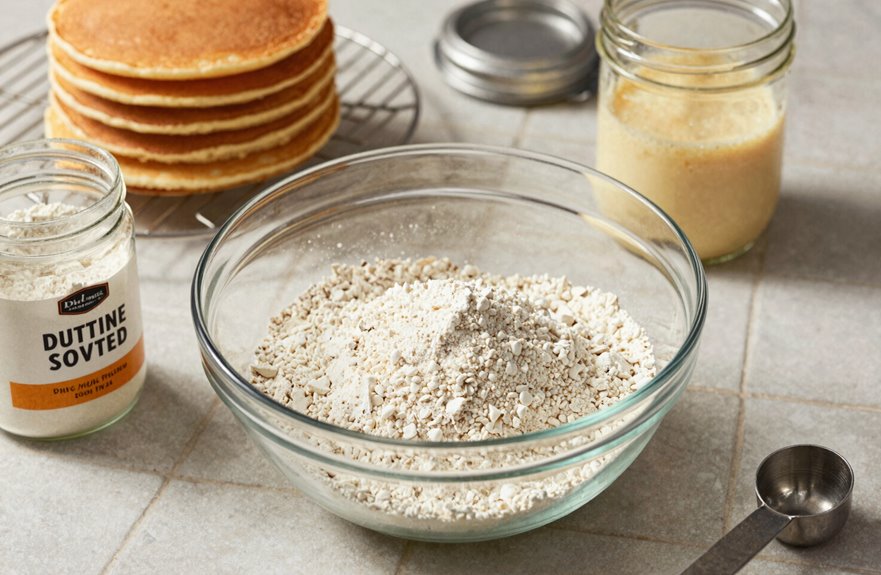
Why let leftover batter go to waste when you’ve got a busy morning ahead? Cake flour batters, with their delicate structure, actually benefit from a little patience. Resting batter for 10–15 minutes lets those starches hydrate fully, and you can refrigerate batter up to 24 hours for true make-ahead convenience.
Cake flour batter rests beautifully—10 to 15 minutes hydrates starches, or refrigerate up to 24 hours for make-ahead mornings.
To keep that tender crumb intact:
- Pour cold batter straight from the fridge, watching it sizzle gently on medium-low heat
- Stack golden pancakes between paper towels, steam still rising
- Wrap portions for your future self, that tired parent who’ll appreciate the preparation
- Freeze cooked stacks up to 4 months, because Sundays come fast
These storage tips mean cake flour pancakes stay light, never tough, and ready whenever you need them.

✔️NATURAL PRODUCT: Food to Live Organic Tapioca Flour is derived from the cassava root. It serves as an excellent thickening agent in various recipes, from sauces and gravies to baked goods.

ENJOY THE RECIPES YOU LOVE: We've spent years perfecting our all-purpose gluten-free flour to make everyday baking easier, so you can enjoy the recipes you love without compromising taste or texture.

The information below is per-pack only
Troubleshooting Dense or Tough Results
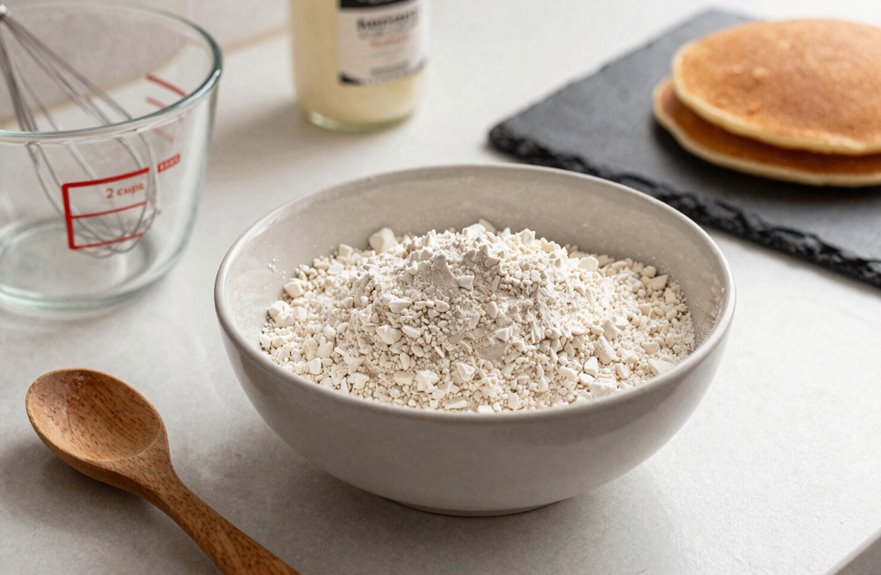
Even with the best make-ahead plans, I’ve pulled my share of pancakes from the skillet that felt more like hockey pucks than breakfast. You’re not alone in this.
Cake flour helps prevent that disaster. Its lower protein content means less gluten development, which keeps things tender. But technique matters too.
Here’s what I’ve learned through trial, error, and plenty of Sunday mornings:
| Problem | Fix |
|---|---|
| Dense, heavy texture | Switch to cake flour for better fluffiness |
| Chewy pancakes | Stop overmixing; leave those lumps alone |
| Flat results | Try resting batter five to ten minutes |
| Uneven browning, raw centers | Use medium heat, be patient |
| No cake flour on hand | Make a quick substitute: swap two tablespoons cornstarch per cup all-purpose |
Don’t press your pancakes while cooking either. You’re making breakfast, not frisbees.

Contains 1, 32 oz carton of Softasilk Enriched & Bleached Cake Flour

Cake making equipment:the item is manufactured with for and reusable use,baking sifters

【High quality】 304 stainless steel material for flour screening. It is strong and durable, not easy to rust, with polished surface, beautiful appearance and high hardness. It is a common tool for kitchen pastry and baking, and a beautiful kitchen helper.